spacestr

🔔 This profile hasn't been claimed yet. If this is your Nostr profile, you can claim it.

Edit
GeoPulse
Member since: 2026-10-15
GeoPulse
GeoPulse 41m

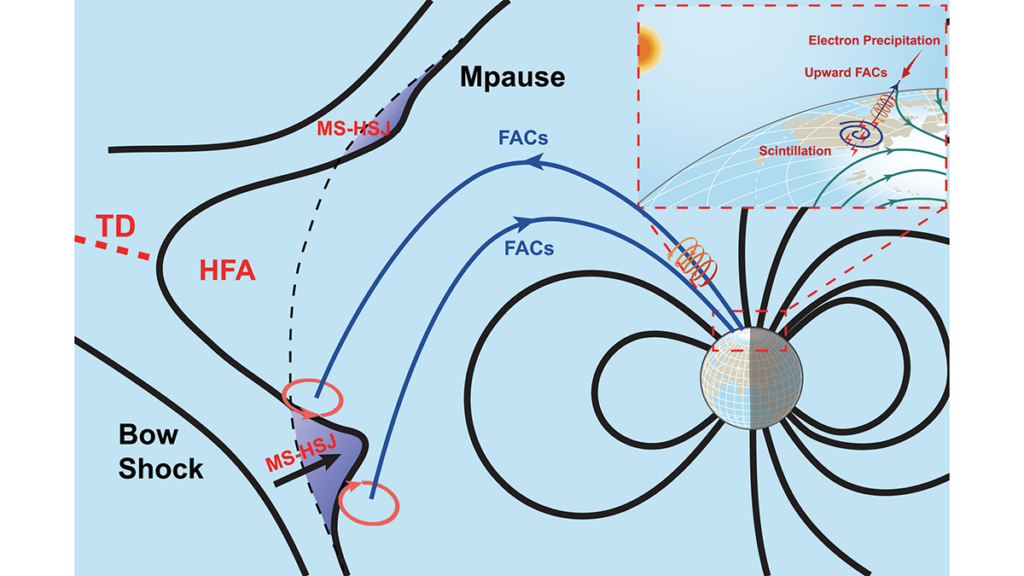
Connecting Radio Wave Disruption to “Hot” Charged Particles from Afar Editors’ Highlights are summaries of recent papers by AGU’s journal editors. Source: AGU Advances Ionospheric irregularities—small-scale electron density structures in the ionosphere down to meter spatial scales—can cause refractive and diffractive variations (scintillation) to the amplitude and/or phase of a radio signal, and thereby severely disrupt its transmission. Such scintillation can affect satellite navigation and communication systems such as the Global Navigation Satellite System (GNSS). Hot flow anomalies (HFAs) are short-lived flows of hot plasma near the Earth’s bow shock—the region of supersonic plasma shock waves upstream of the Earth’s magnetosphere where the fast solar wind slows down and deflects around the Earth. Zhou et al. [2026] successfully connect the dots between the two using measurements of such HFAs on NASA’s Magnetospheric Multiscale (MMS) satellites and simultaneous measurements of energetic charge particles and ionospheric irregularities from other satellites and from ground GNSS receivers. The authors show a definitive case of direct linkage between an HFA near the bow shock and a localized, enhanced phase scintillation in the polar ionosphere more than 60,000 kilometers away. The HFA and enhanced phase scintillation were associated with a vortex of ion convection and a region of auroral electrons and enhanced electrical current along the magnetic field. The observations suggest that the HFA disturbed the polar ionosphere through a chain of physical processes and created a localized region of ionospheric irregularities, which in turn caused the enhanced phase scintillation and became a source of space weather impact on satellite navigation and communications systems. Citation: Zhao, J.-C., Zhang, Q.-H., Yang, Z.-W., Zhang, D., Oksavik, K., Wang, B.-Y., et al. (2026). Ionospheric scintillation induced by hot flow anomalies via particle precipitation. AGU Advances, 7, e2026AV002548. https://doi.org/10.1029/2026AV002548 —Andrew Yau, Editor, AGU Advances Text © 2026. The authors. CC BY-NC-ND 3.0 Except where otherwise noted, images are subject to copyright. Any reuse without express permission from the copyright owner is prohibited. https://eos.org/editor-highlights/connecting-radio-wave-disruption-to-hot-charged-particles-from-afar #aguadvances #hot #earth #hfa #gnss #zhang #advancesionospheric #globalnavigation #advancestext #rss #feeds #linksharing #qwibbit

#aguadvances #hot #earth #hfa #gnss
GeoPulse
GeoPulse 1h

U.S. River Sediment Transport Is Becoming “Burstier” —Emily Gardner (@emfurd.bsky.social), Deputy Editor Citation: Gardner, E. (2026), U.S. river sediment transport is becoming “burstier,” Eos, 107, https://doi.org/10.1029/2026EO260342. Published on 30 October 2026. Text © 2026. The authors. CC BY-NC-ND 3.0 Except where otherwise noted, images are subject to copyright. Any reuse without express permission from the copyright owner is prohibited. https://eos.org/articles/u-s-river-sediment-transport-is-becoming-burstier #riversediment #sedimenttransport #burstier #becoming #emilygardner #deputyeditor #editorcitation #eos #october #except #rss #feeds #linksharing #qwibbit

#riversediment #sedimenttransport #burstier #becoming #emilygardner
GeoPulse
GeoPulse 20h

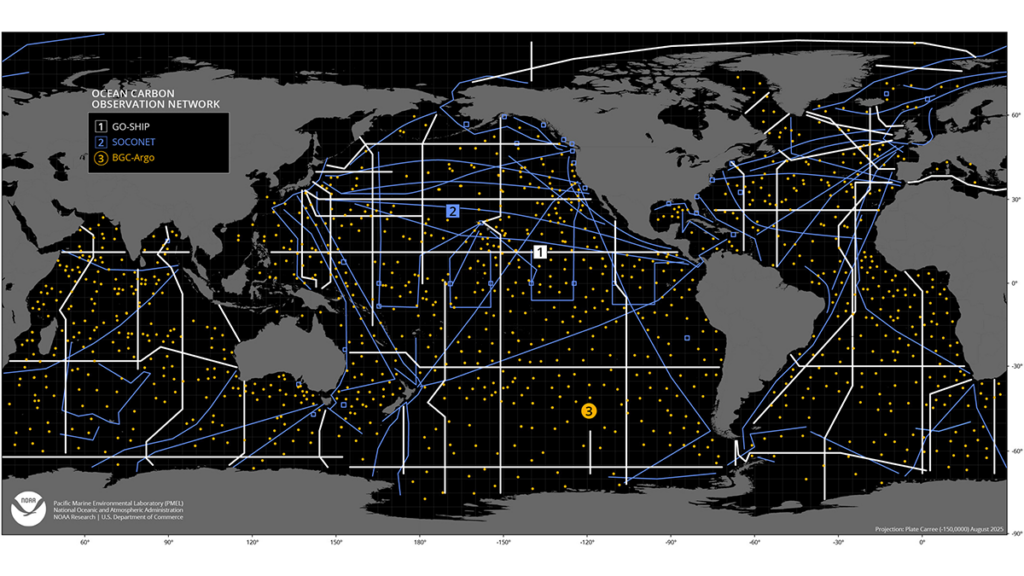
Now Critical: Optimizing Complementary Ocean Carbon Observing Networks Editors’ Highlights are summaries of recent papers by AGU’s journal editors. Source: Earth’s Future The ocean currently absorbs 25-30% of global carbon dioxide emissions, but this carbon sink is highly, spatially, and temporally variable with uncertainty as to how it will change in the future. Robust estimates of the global ocean carbon sink are critical to constraining remaining carbon budgets and understanding the impact of ocean carbon uptake on marine ecosystems. Three major global observational networks currently perform measurements of surface ocean and depth resolved ocean carbon system measurements using a combination of ship-based and profiling float techniques. Differences in their temporal and spatial coverage, sampling frequency, measurement specifications, and maturity mean that there is considerable opportunity for network co-design to enhance complementarity. Sutton et al. [2026] offer an assessment of how such a co-designed multi-network observational program might be constructed. Providing actionable recommendations, they argue that maximizing network synergies will improve estimates of natural and anthropogenic ocean carbon fluxes on seasonal-to-decadal timescales and help constrain the impact of climate feedbacks on the ocean carbon sink. In an environment of increasing financial pressure on oceanographic observations, optimization of existing networks is critical to sustaining the scientific and societal value that they provide. Citation: Sutton, A. J., Bakker, D. C. E., Barbero, L., Bittig, H. C., Carter, B., Claustre, H., et al. (2026). Cross-network synergies fundamental to sustained global ocean carbon observing. Earth’s Future, 14, e2026EF008722. https://doi.org/10.1029/2026EF008722 —Lester Kwiatkowski, Associate Editor, Earth’s Future Text © 2026. The authors. CC BY-NC-ND 3.0 Except where otherwise noted, images are subject to copyright. Any reuse without express permission from the copyright owner is prohibited. https://eos.org/editor-highlights/now-critical-optimizing-complementary-ocean-carbon-observing-networks #oceancarbon #carbonobserving #future #networks #earth #sutton #associateeditor #lesterkwiatkowski #agu #rss #feeds #linksharing #qwibbit

#oceancarbon #carbonobserving #future #networks #earth
GeoPulse
GeoPulse 21h

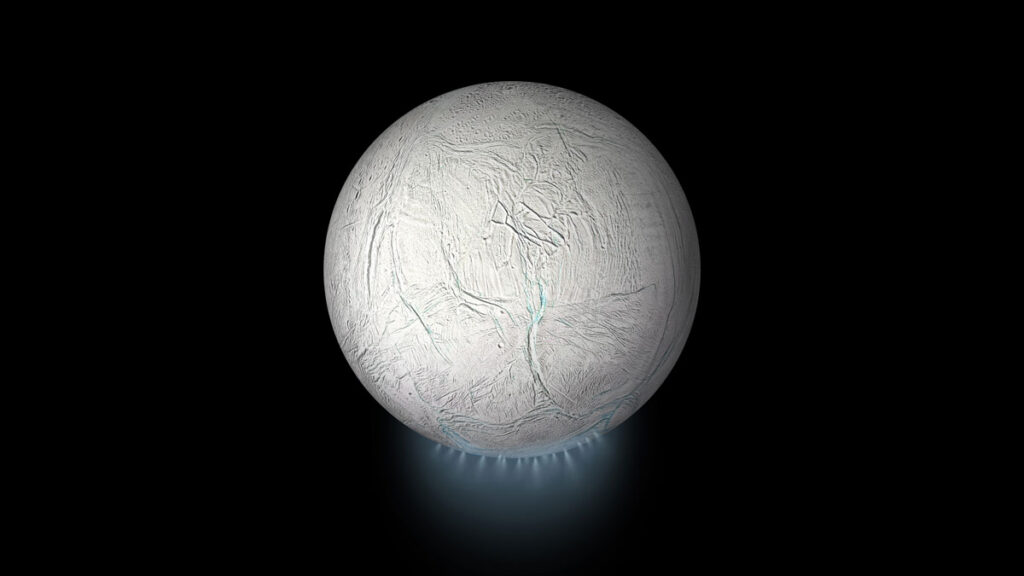
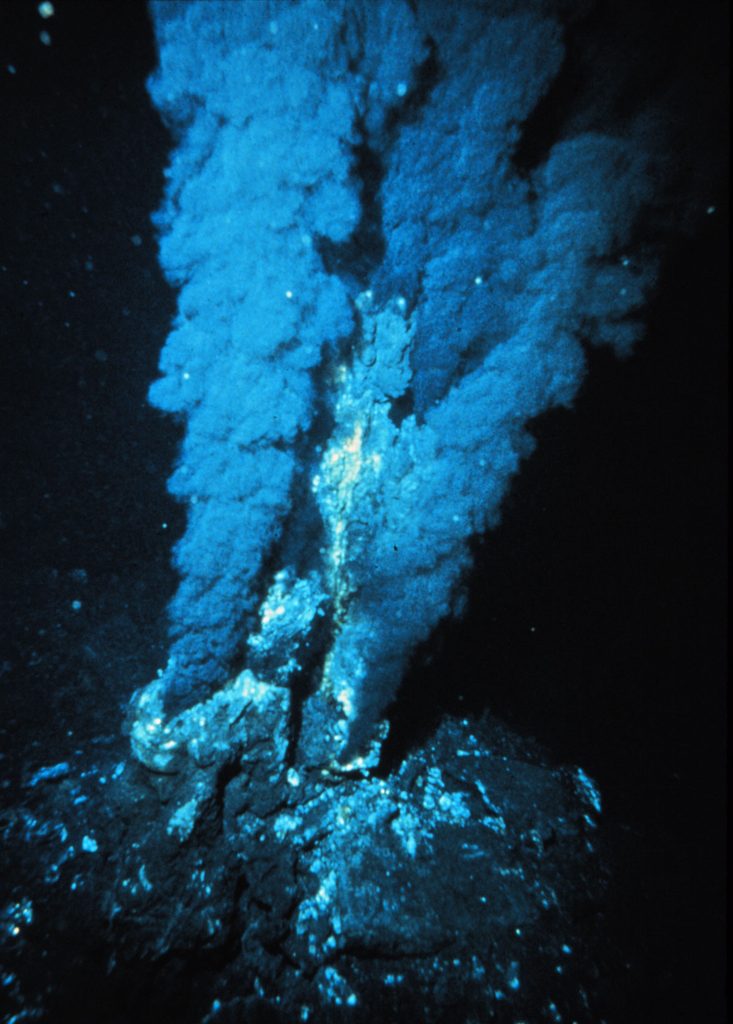
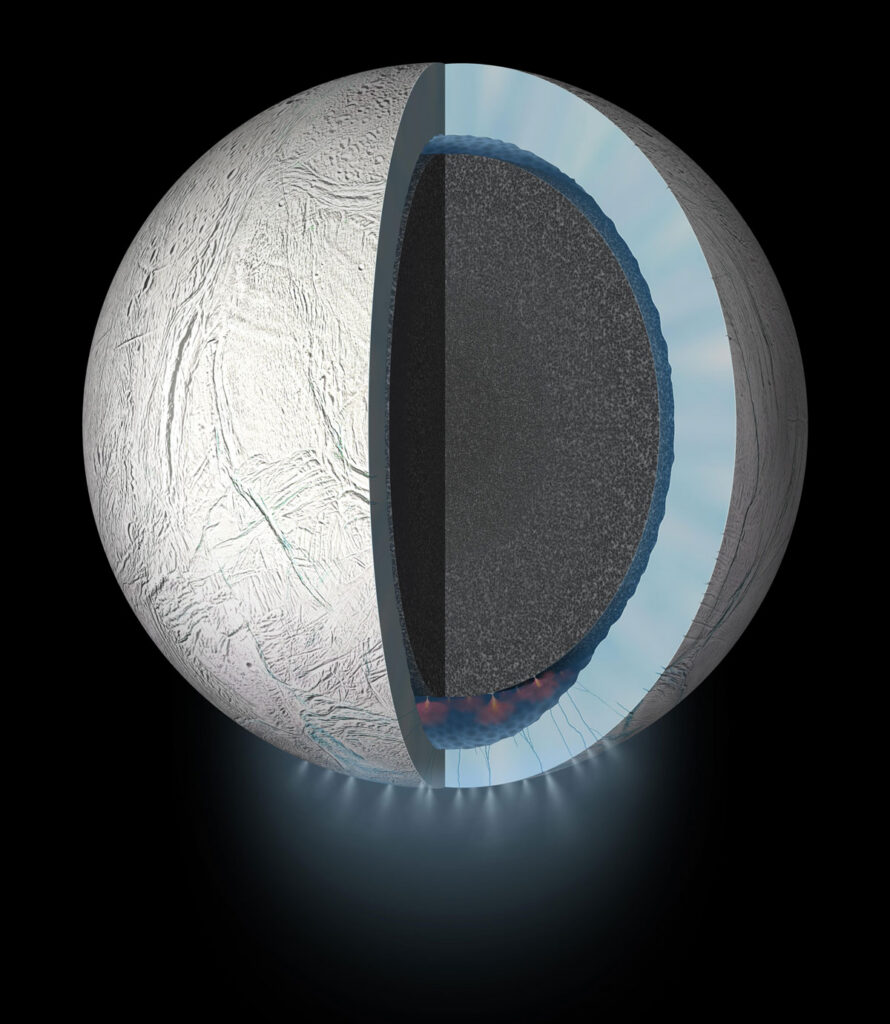
Archaea Survived Enceladus-Like Conditions in Lab Saturn’s moon Enceladus sends signal flares into space that say, “Look here for life!” with every spray of its southern hemisphere geysers. The Cassini mission flew through and sampled the geyser spray in 2015, revealing that beneath Enceladus’s icy crust is a liquid water ocean with high concentrations of dissolved inorganic carbon (DIC), molecular hydrogen (H2), and methane (CH4). These properties make Enceladus a prime candidate for astrobiology missions. But Enceladus’s subsurface ocean is far more alkaline than Earth’s ocean, with a pH closer to that of baking soda or ammonia-based cleaners than to terrestrial seawater. Too, Enceladus’s ocean is low on dissolved carbon dioxide (CO2), an essential foodstuff for methanogens, tiny organisms that create methane. A team of researchers tested whether a terrestrial methanogen harvested from one of the most extreme locations on the seafloor could survive in a highly alkaline, low-CO2 liquid, multiply, and produce methane. The experiments showed that, yes, this particular archaeon could survive in the harsh environment of Enceladus’s ocean, expanding the range of what scientists might consider “habitable.” Life at the Extremes The presence of methane in Enceladus’s plume has long fueled speculation that a methane-producing organism might be creating it. On Earth, microorganisms that live in hydrothermal vents on the ocean floor use H2 and DIC as nutrients to grow and release methane as a waste product. Deep-sea hydrothermal vents, like this one in an Atlantic mid-ocean ridge, are home to some methane-producing microorganisms. Credit: OAR/National Undersea Research Program (NURP); NOAA, Public Domain Both H2 and DIC have been detected in Enceladus’s plume, and past research has shown that a rock-water interaction called serpentinization might be generating H2 on Enceladus’s seafloor. But Enceladus’s high alkalinity, a pH anywhere from 8 to 11.6, would be hard for any organism to survive, let alone maintain a stable or growing population. At those pH levels, DIC is mostly locked up in forms that organisms can’t access. Could the lack of CO2 starve methanogens out? A team of researchers turned to archaea, microbes that live in some of the most extreme places on Earth, including volcanic hot springs, acid mine drainage, and hydrothermal vents. All methanogens are archaea (but not all archaea are methanogens). “Archaea are known to be among the oldest cellular organisms that we know from Earth. They are quite ancient,” said Vanessa Helmbrecht, the new paper’s lead researcher and a geobiologist at Ludwig-Maximilians-UniversitĂ€t (LMU) in Munich, Germany. One methanogen species of archaea from a hydrothermal system in Japan’s Okinawa Trough called Methanothermococcus okinawensis grows at a pH of 8.5. The team decided to push it to even greater extremes. “If we had to pick one methanogen archaea that could grow in super alkaline conditions in Enceladus, this might be the one.” “We thought, ‘Well, if we had to pick one methanogen archaea that could grow in super alkaline conditions in Enceladus, this might be the one,’” said coauthor William Orsi, an LMU geomicrobiologist. In laboratory experiments, the researchers prepared mixtures that mimicked Enceladus’s ocean chemistry, serpentinization, and range of potential pH. They added M. okinawensis and observed its behavior over 48-hour periods. The experiments showed that the archaea survived, reproduced, and created methane in the Enceladus simulant better than in control mixtures at the same pH. In the Enceladus simulant, M. okinawensis produced methane at pH levels up to 11, while the control groups died out at lower pH. That suggests serpentinization created enough H2 to feed the archaea despite the low availability of CO2. Not only do these experiments expand the boundaries within which we know M. okinawensis can survive, said Helmbrecht, but they show that life as we know it might survive on Enceladus, too. The team published these results in Science Advances in September. Exploring the Common Ground A water-rock interaction called serpentinization at the base of Enceladus’s ocean could be providing the molecular hydrogen needed to feed methanogen archaea, just like it does in Earth’s oceanic hydrothermal systems. Credit: NASA/JPL-Caltech, Public Domain “Even so,” Berne added, “the study reframes habitability in terms of the combined pH, DIC, and H2 content of the ocean rather than pH alone, which directly informs the chemical measurements we are considering for future missions to Enceladus.” The team noted that while the archaea survived in the Enceladus simulants at high pH, they exhibited signs of stress, and the populations did not grow as fast as they did at lower pH. “They didn’t like it, but they grew anyways.” “They weren’t necessarily happy,” Orsi said. At high pH, “they didn’t like it, but they grew anyways.” Now that they have shown that one type of archaea can live in Enceladus-like conditions, the researchers hope to explore whether M. okinawensis would eventually adapt to the high pH and whether a more complex ecosystem could survive, too. There’s no guarantee that organisms that may live on Enceladus resemble terrestrial life at all or use the same chemical pathways to consume energy to grow and reproduce, Helmbrecht emphasized. In experiments like these, she added, “we have to assume a common ground.” Still, “we now have all the necessary elements that we need to [support] Earth-like life,” Helmbrecht said. “We have a liquid solvent, which is water, we have all the building blocks to make it. So, assuming that [life] looks like ours, it could potentially happen.” —Kimberly M. S. Cartier (@astrokimcartier.bsky.social), Staff Writer Citation: Cartier, K. M. S. (2026), Archaea survived Enceladus-like conditions in lab, Eos, 107, https://doi.org/10.1029/2026EO260344. Published on 29 October 2026. Text © 2026. AGU. CC BY-NC-ND 3.0 Except where otherwise noted, images are subject to copyright. Any reuse without express permission from the copyright owner is prohibited. https://eos.org/articles/archaea-survived-enceladus-like-conditions-in-lab #rss #feeds #linksharing #qwibbit

#rss #feeds #linksharing #qwibbit
GeoPulse
GeoPulse 21h

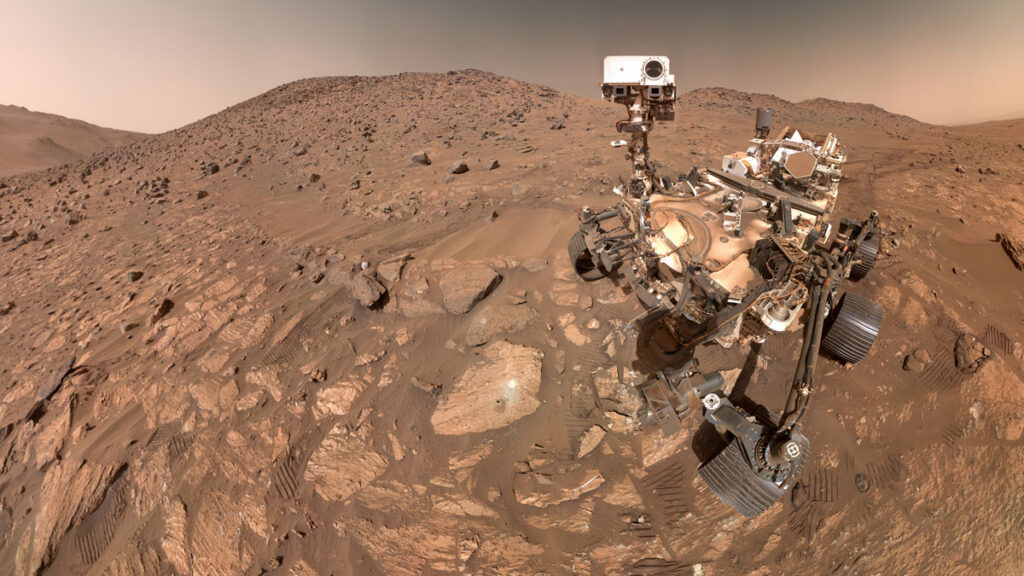
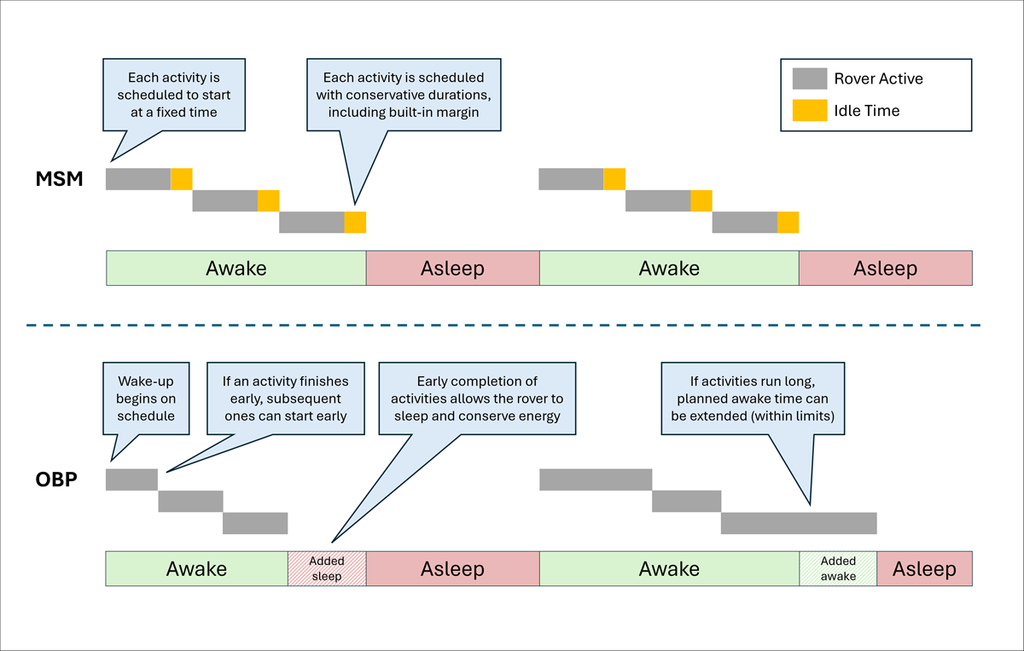
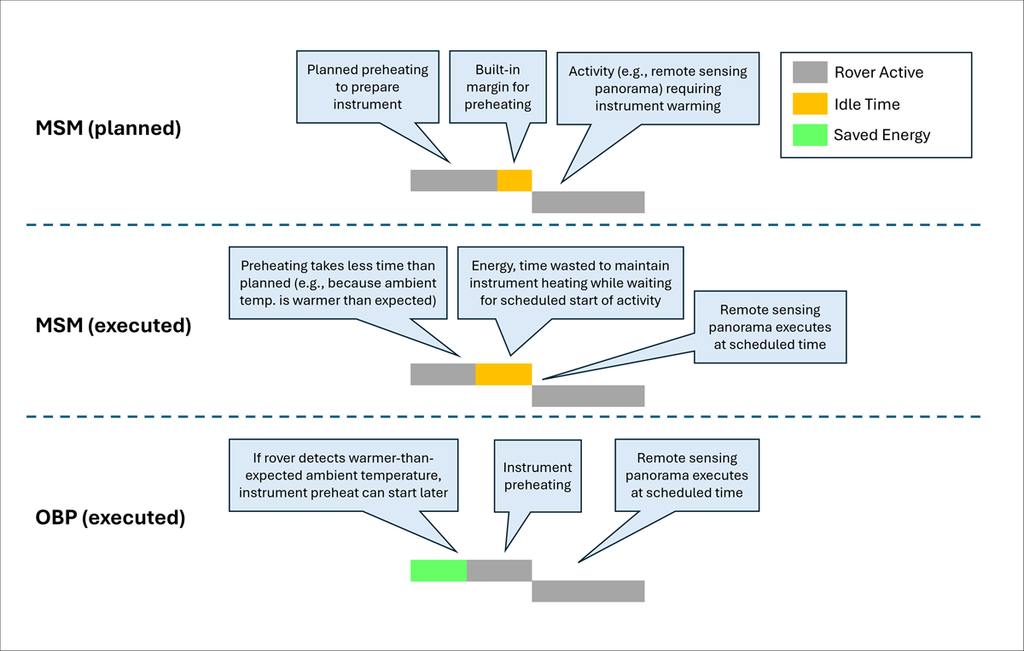
The AI Upgrade Helping Perseverance Work Smarter on Mars NASA launched the Mars 2020 mission in July 2020, sending the Perseverance rover to explore the Red Planet’s Jezero Crater, the site of an ancient lake and river delta selected for its potential to host signs of past life. For more than 2 years after landing in February 2021, the rover’s activities as it traversed the rocky, weatherworn terrain were controlled using conventional software programming and conducted at times predetermined by a ground operations team. However, on 5 October 2023, the mission began using autonomous, artificial intelligence (AI) software to control Perseverance. The software, called On Board Planner (OBP), accounts for current Martian conditions and the actual durations of rover activities to make on-the-spot adjustments. Since switching to On Board Planner (OBP)–run operations, Perseverance has reduced its idle time significantly. Martian surface conditions and their effects on instrument performance can be unpredictable. Under the conventional, master-submaster (MSM) programming, these factors—as well as unknowns in the terrain to be explored—made it necessary to build margins (i.e., extra time and energy) into Perseverance’s predetermined schedule. These margins minimized disruptions to subsequent scheduled events from unplanned variations in instrument preparation and data collection times, but they also frequently resulted in the rover sitting idle—losing time that could have been used for additional observations, driving, or sleeping to save energy. (Gaines et al. [2016] showed that Perseverance’s predecessor, the Curiosity rover, could increase its activity by as much as 30% by exploiting “on rover” feedback to reclaim idle time and unnecessary heating.) Since switching to OBP-run operations, Perseverance has reduced its idle time significantly. This improvement, combined with reducing the energy used to preheat its instruments, has enabled more thorough scientific investigations at sites of interest. AI is increasingly being used for science on Earth. The deployment of AI to control a unique space exploration asset such as Perseverance represents a major advance in space mission operations, leading the way toward the potential widespread use of AI in autonomous space missions. From Rigid Schedules to Situational Adaptation Successful deployment of the OBP software depended on choosing the right AI for this high-stakes application and validating it appropriately for trustworthiness. Unlike many machine learning models, and the large language models garnering popular attention lately, OBP uses “old school” constraint-reasoning and search protocols to produce its schedules [Johnston and Miller, 1994; Chien et al., 2010], which enabled targeted analysis and testing to ensure the software worked properly prior to entering operations. Also unlike many AI approaches, the software has multiple explanation capabilities, allowing operations staff to see the reasoning behind its decisions. These qualities increase both trust in the software and understanding of how it will behave in different situations. The OBP can access information about the real-time state of the rover and its environment, conditions that are hard to predict when planning the rover’s activities from Earth. OBP improves the rover’s performance by replanning its schedule—on average, more than 15 times per Martian day (or sol)—in response to environmental and execution variations, using a set of activities it’s intended to perform as input. The key advance is that OBP understands the operational and science constraints required to execute these activities correctly. Some activities must be executed during specific times (e.g., when lighting is correct), for example, and some depend on the completion of prior activities (e.g., unstowing the arm before making an observation with an instrument on the end of the arm). Other activities have requirements for energy and heating because instruments and mechanisms must be warmed before use in the cold Martian atmosphere. The OBP can also access information about the real-time state of the rover (e.g., the battery state of charge) and its environment (e.g., the ambient air temperature), conditions that are hard to predict when planning the rover’s activities from Earth. With this understanding, it can adjust, delete, or add activities to best achieve the science intent of the ground operations team and operate the rover safely. Greater Efficiency Means More Observations In more than 2 Earth years of operations, OBP has increased the quantity and quality of Perseverance’s scientific observations in several ways. More efficient energy management enables the rover to complete more activities (Figure 1). In the MSM paradigm, activities were scheduled by the ground team one or more days in advance of execution to occur at a prespecified, fixed time. The schedule also had to allocate margin time to avoid potential conflicts with later activities. Fig. 1. Making real-time adaptations in scheduled activities using the On Board Planner (OBP) software allows Perseverance to make more efficient use of its operational time compared with when the rover was controlled under the conventional master-submaster (MSM) operation mode. With OBP, if one activity finishes early, subsequent activities can start early, allowing the rover to complete its slate of operations sooner and either add more activities or go to sleep early to save energy. OBP can also compensate if an activity runs long, potentially canceling it to prevent disrupting more important later activities. OBP also saves time and energy by exploiting the rover’s temperature readings to adjust when and how long mechanisms and instruments are preheated before use. In prior MSM operations, the ground team used predicted temperatures on Mars to schedule energy-intensive “open-loop” preheats on a preset schedule, without making adjustments based on sensor feedback. With OBP, if the rover senses that the ambient temperature is warmer than predicted, for example, it can start a preheat operation later than planned to save energy (Figure 2). Indeed, OBP has increased the rover’s available energy by more than 10% [Gaines et al., 2026]. Fig. 2. OBP can adapt instrument preheating times in response to ambient surface conditions, saving energy and data collection time relative to planned and executed MSM operations. Better thermal management also improves the science performed by the rover’s laser-equipped SHERLOC (Scanning Habitable Environments with Raman and Luminescence for Organics and Chemicals) spectrometer, which detects mineral and organic signatures. SHERLOC must be preheated, but maintaining its operating temperature longer than needed causes it to absorb additional heat, which decreases the quality of its measurements by introducing noise and affecting the instrument’s calibration. OBP can operate Perseverance using best-estimate preheat durations rather than longer, more conservative preheat times (Figure 3), resulting in less overheating of SHERLOC. If scheduled preheats need to be extended to warm rover components adequately, then following activities can be delayed, a less impactful change than totally canceling the later activities. Fig. 3. OBP’s ability to adapt instrument preheating times, such as for the Scanning Habitable Environments with Raman and Luminescence for Organics and Chemicals (SHERLOC) spectrometer, in response to ambient conditions avoids situations where excessive heating degrades the quality of the data collected. If preheating takes longer than expected (i.e., the worst-case scenario), then following activities can be delayed. When the rover is slated to drive to another location after an activity, OBP can capitalize on that activity finishing early in the form of bonus driving time without jeopardizing later activities (Figure 4). Extra driving time enables faster progress between regions of interest, saving time especially during multiday or multiweek traverses, which, in turn, allows Perseverance to perform more science in its exploration plan. Fig. 4. Unlike under MSM, OBP can adjust scheduling to fit actual execution times of activities. If one activity (e.g., remote sensing at a site) finishes early, the rover can get a head start on the next one (e.g., driving to the next site of scientific interest). Finally, OBP can improve the efficiency of instrument use during high-demand times (Figure 5). Midday, for example, is favorable for competing high-priority activities, such as driving, geological imaging, and spectroscopy, sometimes resulting in data gaps for lower-priority atmospheric measurements. OBP can consider optional activities that may not have fit into the original schedule, and, if other activities complete early, it can direct the rover to do these lower-priority tasks. Fig. 5. On-the-spot adjustments by OBP enable Perseverance to fit lower-priority, optional activities (e.g., atmospheric observations (AO)) into its schedule when unexpectedly free time slots open, rather than sitting idle. Benefits in Bright Angel The 42-sol campaign (sols 1,177–1,219) exploring Mars’s Bright Angel region in 2024 has been one of the most important phases of the Mars 2020 mission so far. During the campaign, Perseverance discovered the remarkable, leopard-spotted Cheyava Falls rock, from which it collected a sample named “Sapphire Canyon.” Sapphire Canyon is one of several samples that Perseverance has stored in sealed containers for later retrieval, and it contains elemental and mineralogic features that could shed light on whether Mars had microscopic life in the distant past. In particular, the rock shows evidence of past redox reactions together with organic carbon and iron phosphate and sulfide minerals organized into millimeter and submillimeter structures, signs that have been interpreted as potential biosignatures [Hurowitz et al., 2025]. Millimeter-scale features looking something like leopard spots can be seen in the middle of this close-up view of the Cheyava Falls rock that Perseverance captured on 18 July 2024. The spots contain iron phosphate and sulfide minerals interpreted as possible biosignatures. Credit: NASA/JPL-Caltech/MSSS The geologic complexity of and around Cheyava Falls motivated a lot of exploration and data collection in the Bright Angel area. Energy savings and planning flexibility courtesy of OBP allowed the science team, in several cases, to collect additional science observations beyond those originally planned. Prior to the Sapphire Canyon sampling, for example, the team added more spectrometer measurements and imaging, and they chose to drive to and inspect another part of Bright Angel—all energy-intensive activities. Under conventional programming, energy-intensive activities could not be accommodated on short notice. With OBP, the team found itself far less constrained in adding or swapping out planned activities. Under MSM, such campaigns were highly constrained to follow the planned schedule, because new, energy-intensive activities could not be accommodated on short notice. With OBP saving substantial energy from its onboard management of scheduling, heating, and computer-awake times, the team found itself far less constrained in adding or swapping out planned activities. Decisions could also be made more quickly because fewer sacrifices and complex trade-offs were required. Notably, after the Sapphire Canyon sample was drilled, the team decided to conduct extensive additional SHERLOC observations on Cheyava Falls. In MSM mode, these extra observations would have required 1–2 sols for recharging, meaning their potential scientific value would be weighed against the several sol delay. But because OBP conserved energy from a shorter-than-planned sample drilling duration, these observations could be taken without delay. Ultimately, the additional SHERLOC measurements, which provided greater spatial coverage and improved statistics for the mission’s observations around Cheyava, were important in shaping—and increasing confidence in—the science team’s interpretation of potential biosignatures in the Sapphire Canyon sample. Building Trust for a High-Stakes Mission In addition to OBP, Perseverance uses other AI software for specific functions. This includes its enhanced navigation (Enav) software for autonomous driving, the Autonomous Exploration for Gathering Increased Science (AEGIS) system used for targeting of its SuperCam instrument [Verma et al., 2023], and an adaptive sampling algorithm used by the Planetary Instrument for X-ray Lithochemistry (PIXL) X-ray fluorescence spectrometer [Lawson et al., 2025]. But OBP is notable in that it controls the entire rover system. Considering that Perseverance is a one-of-a-kind asset that cost billions of dollars to develop and send to Mars, OBP was designed for extreme reliability. The software has been in near-continuous operation for Perseverance since October 2023. As of September 2026, OBP has covered more than 450 tactical planning cycles spanning more than 1,000 sols. And it is expected to remain in control through the rest of the rover’s mission. Considering that Perseverance is a one-of-a-kind asset that cost billions of dollars to develop and send to Mars, OBP was designed for extreme reliability. Similarly, the rollout process was carefully developed to ensure that the rover operations staff could operate it for peak performance. The staff first used a version of the onboard planner in ground operations for more than a year to familiarize themselves with OBP’s capabilities. This version also included explanation capabilities, which helped the team understand how OBP would perform on board. The Wide Angle Topographic Sensor for Operations and Engineering (WATSON) camera, part of the SHERLOC instrument, is held close to the ground surface at the end of Perseverance’s robotic arm during a stop in the Bright Angel region of Jezero Crater. This image was taken by one of the rover’s hazard avoidance cameras. Credit: NASA/JPL-Caltech Second, rover operations staff repeatedly met with science instrument staff to review operational processes for each instrument. Through these meetings, the instrument teams transitioned from the long-standing paradigm of expecting fixed execution times for their activities to specifying ranges of times during which the activities could be carried out—on the basis of safety and science requirements—and accepting that OBP would execute them within those ranges. Third, a series of increasingly realistic and comprehensive operations walkthroughs by the mission team culminated in readiness tests of OBP on the ground and during three flight tests on the vehicle. Training also included a “flight school,” in which most of the operations team learned the fundamentals of how OBP operates and gained a feel for autonomous operations. This testing and training process contributed to a smooth rollout of the software and, when the time came, a smooth transition from MSM to OBP during the Mars 2020 mission. To Mars and Beyond The successful deployment of OBP will help to move the research community forward in understanding the technology and how it can be used for future robotic explorers both on Earth and beyond. The OBP on Perseverance is an unprecedented use of AI for a major mission, and its successful deployment will help to move the research community forward in understanding the technology and how it can be used for future robotic explorers both on Earth and beyond. Lessons learned from the experiences of advocating for OBP and of developing, verifying, validating, and rolling out such a significant AI capability can also inform the many similar efforts to follow, such as the potential Uranus Orbiter and Probe and Endurance lunar rover concepts. For example, it is important that everyone involved in the mission—including the science, instrument, and robotics teams—understands the freedom (and limitations) that OBP has to change the timing (and sometimes the nature) of activities, and to allow these teams to specify the flexibility appropriate for each activity. It is also essential that the engineering operations team has tools to predict the range of possible outcomes of the O https://eos.org/science-updates/the-ai-upgrade-helping-perseverance-work-smarter-on-mars #mars #boardplanner #obp #jezerocrater #redplanet #martian #ai #rss #feeds #linksharing #qwibbit

#mars #boardplanner #obp #jezerocrater #redplanet
GeoPulse
GeoPulse 22h

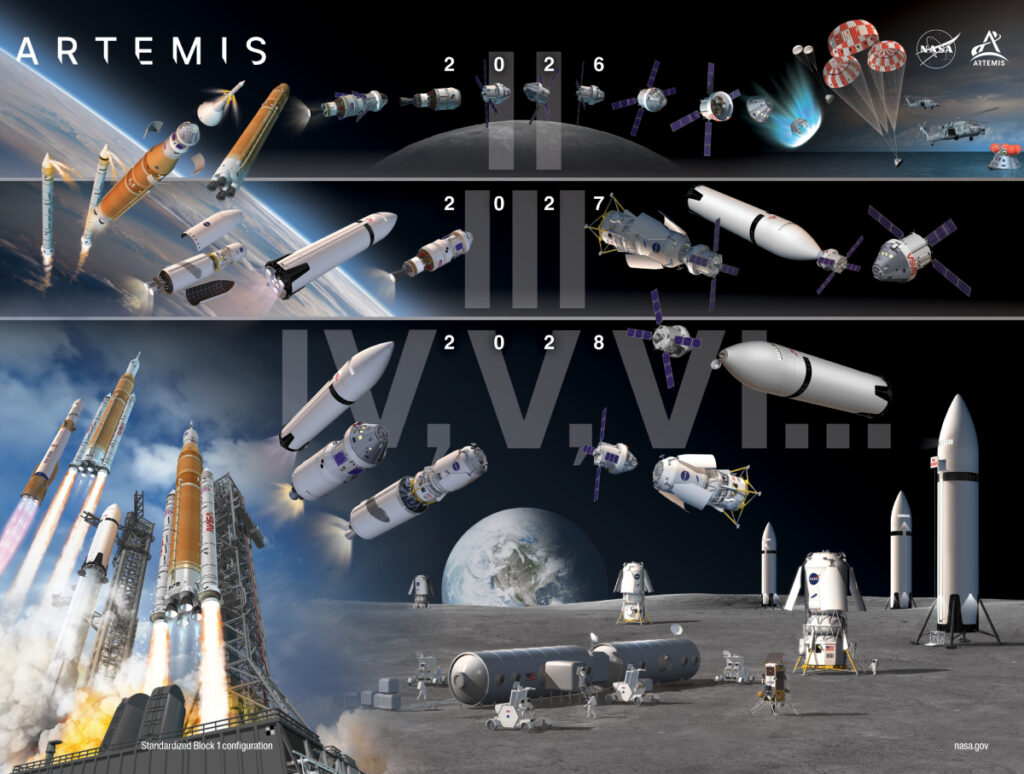
NASA’s Ignition Sequence Has Begun Research & Developments is a blog for brief updates that provide context for the flurry of news regarding law and policy changes that impact science and scientists today. In March, NASA Administrator Jared Isaacman announced a series of new agency initiatives designed to achieve directives set in President Trump’s National Space Policy. The initiatives, collectively called “Ignition,” aim to accelerate the pace of space missions and move the agency toward a focus on human exploration of the Moon and Mars. “If we concentrate NASA’s extraordinary resources on the objectives of the National Space Policy, clear away needless obstacles that impede progress, and unleash the workforce and industrial might of our nation and partners, then returning to the Moon and building a base will seem pale in comparison to what we will be capable of accomplishing in the years ahead,” Isaacman said in a statement at the time. Related ‱ Watch “Artemis Acceleration” from 21 October ‱ Watch “Faster to Science” from 26 October ‱ What Happened at Goddard? ‱ Get Involved: AGU Science Policy Action Center Some of the changes in NASA’s direction were announced immediately, like pivoting from a cislunar gateway to a permanent base on the Moon’s surface and pushing an attempted Moon landing back until the Artemis IV mission. The agency promised that efforts to align other NASA divisions with Ignition would be forthcoming throughout the year. Those changes are now starting to manifest, and NASA recently announced additional changes that appear aligned with Ignition initiatives. Here are few of them. To the Moon, To Stay In April, NASA’s Artemis II mission successfully flew around the Moon, bringing humanity the closest we’ve been to our nearest celestial neighbor in 50 years. Just prior to that milestone, NASA announced a shift in its plans for future Artemis missions: a landing on the lunar surface would now be attempted during Artemis IV rather than Artemis III, and Artemis III would now be a technological test of the landing equipment. The latest architecture for the Artemis missions has Artemis III demonstrating its crewed landing technology in summer 2027 and Artemis IV landing on the Moon in 2028. Credit: NASA, Public Domain In a 23 October press conference, Isaacman confirmed this new direction for Artemis, that Artemis III is on schedule for launch in summer 2027, and that Artemis IV would launch in 2028. To achieve a 2028 landing, Isaacman said the Artemis technology teams had updated the architecture of the missions and were undergoing a competitive process to select the commercial space company that would enable a crewed landing. In his March Ignition announcement, Isaacman said that NASA planned “to return to the Moon before the end of President Trump’s term,” and the updated timeline would accomplish that. “NASA has no intention of sitting idly by as all the pieces come together,” Isaacman said at the October press event. “NASA is energized, our core capabilities are being rebuilt, our machine shops are running 24/7, and our experts are in the field attacking the critical path.” “Faster to Science” NASA’s Science Mission Directorate (SMD) announced on 21 October that it will be streamlining the process by which it solicits and selects new science missions. The existing 2-step process requires prospective mission teams to submit detailed designs in the first phase, in addition to making the scientific case for the mission. The need for detailed designs in Step 1 has been seen by some as a burdensome requirement, as teams whose proposals are not selected will have wasted a lot of time and money developing technical designs that will never be used. At a 26 October community town hall, SMD associate administrator Nicola Fox outlined the new selection process, called “Competition Model 2.0” or CM2.0. CM2.0 will no longer require detailed mission designs in the initial phase, Fox said. Instead, proposed missions would “compete on the science first” and worry about detailed implementation work in the second step. The process would also be open to principal investigators (PIs) “without a major university or commercial backing.” “Everybody wants change until you change something, and then nobody likes change.” NASA estimates that CM2.0 will shorten the time from when proposals are solicited to when missions are selected by 45%. “This is such a great approach!” Kathleen Mandt, a planetary scientist at NASA’s Goddard Space Flight Center (GSFC) in Greenbelt, Md., commented on social media. “More scientists will be able to put forward their ideas while funds for mission design are used more effectively. This approach also does more to protect the technical workforce at our centers.” Ahead of the October event, members of NASA, the science community, and the media were invited to submit questions about CM2.0. Many expressed concern that simplifying mission design from the first step would advance proposals that are technologically infeasible. Fox assured participants that Step 1 would still require some mission design, which would be evaluated along with the science. How much design? Fox did not specify, and seemed frustrated at questions asking for more information, noted Alejandro Soto, planetary scientist and engineer at the Southwest Research Institute in Boulder, Colo., on social media. NASA's Nicky Fox keeps talking about not needing a "point design" in future mission proposals, but she never defines what this means. She seems frustrated by all of the questions on this topic, but doesn't see that as a sign that a more detailed explanation is needed. — Alejandro Soto (@soto.space) 2026-10-26T18:44:46.908Z “Traditionally, NASA wanted mass, volume, and cost estimates that only required 30% margin (an indirect way of measuring design uncertainty),” Soto added. “What is it now? 50%? 80%? Or more? Currently, there’s no detail like that.” “There will be some teething problems, I’m sure,” Fox said. “Everybody wants change until you change something, and then nobody likes change.” Science Centers of Excellence CM2.0 also calls for the detailed mission implementation design in Step 2 to be carried out in partnership with Goddard or the Jet Propulsion Laboratory (JPL) in Pasadena, Calif. Both of NASA’s newly minted “Science Centers of Excellence” have long overseen the technical and engineering aspects of NASA missions. NASA closed its research library at Goddard in 2025. Credit: NASA, CC BY 2.0 Both facilities have experienced significant upsets in the past two years. In 2025, whistleblowers alleged that NASA leadership was prematurely implementing the president’s 2026 budget request and closing down many buildings on Goddard’s campus. Goddard staff reported being barred from laboratories and specialized equipment being moved or dismantled. Goddard also closed its longstanding library, and there are conflicting reports about why NASA’s spaceflight records archive was taken offline for six months: NASA says it was routine maintenance, while internal communications obtained through Freedom of Information Act requests suggest there was an unreported security issue. Staffing-wise, Goddard is estimated to have lost nearly a third of its workforce (roughly 6,600 people) since January 2025. JPL laid off 11% of its workforce in 2025. The trend at the Centers of Excellence echoes that of NASA as a whole. Since January 2025, thousands of workers, including more than 2,000 senior-level staff, have left the agency voluntarily or through reductions in force. Some estimates suggest that NASA has actually lost more than 12% of its workforce since 2023. “How do you expect JPL and GSFC to manage this new process when they have lost so many people and facilities?” One town hall question addressed the problem succinctly: “How do you expect JPL and GSFC to manage this new process when they have lost so many people and facilities?” Both Fox and Curt Niebur, the lead scientist for flight programs at NASA, brushed off this concern. “It’s easy to underestimate how good and how creative our engineers at Goddard and JPL are,” Niebur said. “Yes, our implementations are challenging, but yet they have consistently found solutions to those challenges, and we’re placing a lot of faith that they’ll continue to do so.” A ROSES In Any Other Year
 NASA’s annual Research Opportunities in Space and Earth Sciences (ROSES) solicits basic and applied science research proposals across SMD every year. The community was concerned when the ROSES-25 solicitation was delayed last year—NASA announced it in July rather than February as expected, and it remains open as of October 2026. ROSES-26 was never announced. Although the 26 October town hall was not meant to be about ROSES, the top voted question from the community asked, “Why was there no ROSES-26? Where did all the congressionally appropriated money for [fiscal year] FY 26 go?” Fox said that because ROSES-25 was still open, NASA never announced ROSES-26. The agency is planning to open ROSES-27 no later than January 2027 and will solicit proposals with the CM2.0 process. It appears that NASA plans to skip ROSES-26 entirely, and Fox said that FY26 funds for ROSES went toward the ongoing ROSES-25 process. The Buck Stops Where? Lastly, Fox was asked if the recent slow cadence of planetary science missions was because of the old, slow selection process. She said, no, and implied that teams whose missions are over budget or behind schedule carry the blame. “The community needs to realize that when your mission goes over budget, you kill the next mission.” “Cost and schedule discipline is non-negotiable, and that is across all mission types,” Fox said. “I think the community needs to realize that when your mission goes over budget, you kill the next mission
.If your mission goes over by about $150–$200 million, you just killed the next SMEX,” she said, referring to the Small Explorers mission class. Paul Byrne, a planetary scientist at Washington University in St. Louis, Missouri, had another opinion. “The biggest issue with NASA’s missions isn’t a lack of industry involvement or length of review. It’s that NASA lacks the money to fly missions regularly,” he commented on social media. “It’s great to shorten competition timelines, bring more industry in, open the field to more entrants/PIs/science teams,” Byrne added, referring to Ignition objectives. “But if there isn’t money to run competitions more frequently
what’s the point?” —Kimberly M. S. Cartier (@astrokimcartier.bsky.social), Staff Writer These updates are made possible through information from the scientific community. Do you have a story about how changes in law or policy are affecting scientists or research? Send us a tip at [email protected]. Text © 2026. AGU. CC BY-NC-ND 3.0 Except where otherwise noted, images are subject to copyright. Any reuse without express permission from the copyright owner is prohibited. https://eos.org/research-and-developments/nasas-ignition-sequence-has-begun #artemis #nasa #moon #isaacman #spacepolicy #nationalspace #nasaadministrator #iii #artemisacceleration #marchignition #rss #feeds #linksharing #qwibbit

#artemis #nasa #moon #isaacman #spacepolicy
GeoPulse
GeoPulse 1d

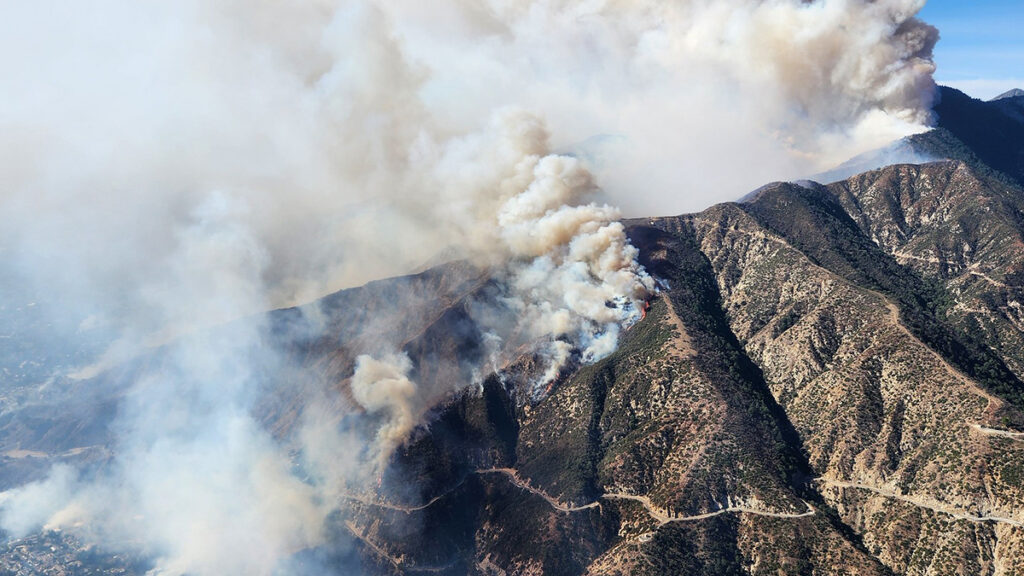
Eaton Wildfire Exposed Millions to a “Cocktail of Chemicals” The January 2025 Eaton Fire in Los Angeles killed 19 people, forced the evacuation of more than 100,000 others, and destroyed upward of 9,000 structures. New research published today in Science Advances also shows that compared to the plume of smoke from a nonurban wildfire, its smoke—breathed in by millions in the area—had 50 times as much lead, 7 times the halogens, and 3 times as much arsenic. Michael Kleeman, a civil and environmental engineer at the University of California, Davis, who was not involved in the research, said in an email to Eos these measurements represented, to his knowledge, the first real-time monitoring of toxicity levels in a large urban fire smoke plume. “The real-time metals measurements showed without a doubt that the burning buildings and vehicles in these fires were generating toxic chemicals that have unique health risks.” “The real-time metals measurements showed without a doubt that the burning buildings and vehicles in these fires were generating toxic chemicals that have unique health risks,” he said. “The measurements described in this study brought into focus one of our next air quality challenges: how to handle risks from large urban fires that will become more common in a warming climate.” The new research is based on data recorded by the Atmospheric Science and Chemistry mEasurement NeTwork (ASCENT), a network of 12 air quality monitors across the United States that provide continuous measurements of ambient levels of PM2.5, or particles smaller than 2.5 micrometers in diameter. Traditionally, air quality is measured at specific points in time, such as on an hourly or daily basis, said Nga Lee “Sally” Ng, an aerosol scientist at California Institute of Technology (Caltech) and one of the paper’s authors. Though that might paint a broad picture of pollutant levels over a period, it doesn’t capture short-term temporal evolution or spikes that might occur during an event like a fire. “You would not be able to detect that the lead or [other] toxins are at very high levels during specific times during the L.A. fires,” Ng explained. “ASCENT provides this real-time data to allow us to better understand the health impacts of short-term exposure to high levels of air pollutants.” Divergent Chemistries Previous research examined air quality following the fires, finding, for example, that one area downwind of the Eaton Fire saw lead levels up to 250 times higher than background levels during the fire. The new paper contrasted what it called the “cocktail of chemicals” in the smoke not just with background levels, but with the levels found in a nonurban wildfire. To make the comparison, researchers compared ASCENT data captured during the January 2025 Eaton Fire to that of a September 2024 fire in Riverside, Calif., that predominantly burned vegetation rather than urban area. The two wildfire plumes showed similar amounts of PM2.5, but their chemistries were vastly different. The Eaton Fire contained about 7 times as much chlorine and bromine, 4 times as much zinc, more than 3 times as much copper and arsenic, and, most remarkably, 50 times as much lead. Inhaling bromine or chlorine can lead to coughing, dizziness, and even respiratory failure. Arsenic is a confirmed carcinogen. And according to the World Health Organization, no level of lead exposure is known to be harmless. A New Database The differences identified in the Eaton Fire’s plume chemistry come down to its fuel. First, there are the actual structures: houses with lead paint, wooden fences treated with preservatives containing arsenic, and plumbing pipes made of polyvinyl chloride (PVC). Then, there’s everything inside of those structures. “Think of a typical household: the cleaning supplies under the sink, the plastic bins in the garage, the gas stove, the furniture, the car parked outside. Now multiply that by thousands of homes burning at once.” “Think of a typical household: the cleaning supplies under the sink, the plastic bins in the garage, the gas stove, the furniture, the car parked outside. Now multiply that by thousands of homes burning at once,” Haroula Baliaka, a Ph.D. student, first author of the study and an atmospheric scientist at Caltech, wrote in an email to Eos. The paper’s publication is timely. Earlier this week, the team also published an ASCENT database that provides open access to all of the monitoring network’s data. The site offers two options to view: fully validated data from 2023 to 2024 and real-time air quality data. “We are excited to share this data with the community and hope that this information can allow us to better understand the aerosol chemistry and physics as well as their impacts on climate and human health,” Ng said. “We also hope that, eventually this type of information can give us the knowledge to design future policies to better protect human health.” —Emily Gardner (@emfurd.bsky.social), Deputy Editor Citation: Gardner, E. (2026), Eaton wildfire exposed millions to a “cocktail of chemicals”, Eos, 107, https://doi.org/10.1029/2026EO260346. Published on 28 October 2026. Text © 2026. AGU. CC BY-NC-ND 3.0 Except where otherwise noted, images are subject to copyright. Any reuse without express permission from the copyright owner is prohibited. https://eos.org/articles/eaton-wildfire-exposed-millions-to-a-cocktail-of-chemicals #exposedmillions #wildfireexposed #eatonfire #cocktail #chemicals #losangeles #ascent #scienceadvances #atmosphericscience #california #rss #feeds #linksharing #qwibbit

#exposedmillions #wildfireexposed #eatonfire #cocktail #chemicals
GeoPulse
GeoPulse 1d

Science Assessments for a Changing World Scientific assessments are the bridge between fundamental research and the solutions we need to address society’s most pressing challenges. The U.S. National Climate Assessment, the Arctic Report Card, the Intergovernmental Panel on Climate Change (IPCC) reports: Scientist-led projects such as these synthesize the most advanced research of our time into practical pathways for communities, policymakers, businesses, and others who must take action against rising sea levels, intensifying heat waves, and myriad other impacts from changes in Earth systems. However, these important assessments are losing governmental support. In the United States, key programs and the institutions behind them have been weakened or dismantled. Even before these recent changes, there were growing gaps between what assessments deliver and what decisionmakers need. Reports often arrive years apart, address broad questions, and speak largely to national and global scales when the choices in front of a county, utility, or water management district are far more local. To be more useful, assessments must be more frequent, more focused, and more closely tied to the people and places they are meant to serve. The scientific community has an opportunity to build something new. Today AGU is launching the Initiative for Science Assessments, a durable and independent program led by scientists and supported by AGU’s infrastructure. This initiative is meant to complement government-supported efforts rather than replace them and to strengthen the global, national, and local assessment landscape. This initiative is meant to complement government-supported efforts rather than replace them and to strengthen the global, national, and local assessment landscape. AGU will bring its world-class experience in publishing to support development of shared standards across assessment projects, ensuring both the highest-quality science and transparency of the process that produces it. AGU’s ability to convene global networks of experts means that every assessment can draw on leading scientific expertise from across disciplines and across practice areas. To leverage their work into solutions, Earth and space scientists need to collaborate with biologists, ecologists, sociologists, medical researchers, and others whose work spans the processes that define Earth systems. This initiative is a deliberate effort to link that capacity more directly to the decisions that people face now, working with the engineers, farmers, public health officials, tribal leaders, and emergency managers who can turn findings into action. We are embarking on a new era of coproduction for AGU, one in which our aims go beyond publishing assessments to creating trusted processes that connect scientific understanding with the people and institutions that need it most. There is much more that AGU will announce in the coming months, but right now, the Initiative for Science Assessments is searching for an inaugural cohort of guest associate editors who will lead the first round of assessments to be published in Earth’s Future. Reach out to AGU if you are interested or have suggestions for others who may be. Join us in San Francisco this December for AGU’s Annual Meeting, where we will be creating space for the community to hear more about the initiative and learn how to participate. AGU’s Initiative for Science Assessments is grounded in a simple idea: When people have access to trustworthy, understandable, and actionable scientific information, they are better equipped to make decisions. And in a changing world, helping people make informed decisions may be one of the most important contributions science can make. Author Information Kelly Caylor ([email protected]), Editor in Chief, Earth’s Future, AGU, and Department of Geography, Bren School of Environmental Science and Management, University of California, Santa Barbara; and Steven A. Hauck II, Chair, Publications Committee, AGU, and Department of Earth, Environmental, and Planetary Sciences, Case Western Reserve University, Cleveland Citation: Caylor, K., and S. A. Hauck II (2026), Science assessments for a changing world, Eos, 107, https://doi.org/10.1029/2026EO260341. Published on 28 October 2026. Text © 2026. AGU. CC BY-NC-ND 3.0 Except where otherwise noted, images are subject to copyright. Any reuse without express permission from the copyright owner is prohibited. https://eos.org/agu-news/science-assessments-for-a-changing-world #changingworld #assessments #agu #scienceassessments #initiative #climateassessment #earth #national #intergovernmentalpanel #unitedstates #rss #feeds #linksharing #qwibbit

#changingworld #assessments #agu #scienceassessments #initiative
GeoPulse
GeoPulse 1d

Trump to Ease Methane Rules for Oil and Gas Wells Research & Developments is a blog for brief updates that provide context for the flurry of news regarding law and policy changes that impact science and scientists today. The Trump administration has announced plans to terminate some methane emissions restrictions for oil and gas companies, rolling back rules set by the Biden administration in 2024. The announcement was made at a 27 October campaign rally in Lubbock, Texas. At the rally, Trump said the looser restrictions would release 210 million barrels of oil (about 10 days of U.S. consumption) and 1.41 trillion cubic feet of natural gas (about 15 days of U.S. consumption). Methane is a potent greenhouse gas with a short-term warming potential that is about 30 times that of carbon dioxide. According to the United Nations, a rapid reduction of methane emissions is required to slow global warming, especially in the near term. Natural gas is made up of mostly methane. It also leaks from oil and gas drilling equipment and is a waste product of oil drilling. The plan announced by Trump includes a series of changes to existing emissions restrictions drawn mainly from the 2024 Methane Rule. Those proposed changes include: Easing restrictions on marginal wells, which are small wells that account for about 5% of the U.S. oil and gas supply but produce most of the country’s methane emissions. Relaxing restrictions on flaring (the practice of burning excess natural gas), rather than requiring all natural gas to eventually reach a pipeline. Eliminating the Methane Super Emitter Program, an EPA initiative to identify large methane leaks. Allowing oil and gas companies more flexibility in which technologies they use to monitor and control methane flaring. EPA Administrator Lee Zeldin had previewed the changes at the annual meeting of the New Mexico Oil and Gas Association in Santa Fe, N.M., on 7 October. In a press release about the announcement, the EPA called the 2024 restrictions a “monumental threat” to the oil and gas industry. “This proposal takes on many of the problems American producers and operators have raised with us,” Zeldin said in the press release. Related ‱ Trump Says Government to ‘Terminate’ Biden-era Methane Emissions Rules ‱ Read the EPA Press Release: “EPA Proposes Major New Revisions to Burdensome, Unworkable Biden-era Oil and Natural Gas Regulations” ‱ 2026 State of the Climate Report Shows a Planet Reaching Its Limits ‱ Get Involved: AGU Science Policy Action Center According to watchdog organization Fieldnotes, the oil and gas industry has worked closely with the Trump administration to dismantle methane rules. Their investigation, based on Freedom of Information Act records and internal trade association materials, revealed that members of the Trump administration met with oil and gas interests at least 36 times during the first year of Trump’s second term. In a statement, Jon Goldstein, associate vice president for energy transition at the Environmental Defense Fund, said that the planned changes “would create huge loopholes for low-producing, high-polluting well sites” and would “weaken safeguards that cut waste and pollution from oil and gas operations.” “Rolling back these safeguards would mean more wasted energy, more methane pollution and greater health risks for communities living near oil and gas operations,” Goldstein said. One Environmental Defense Fund analysis estimated that in 2023, oil and gas flaring was responsible for $5.6 billion in health and climate costs. —Grace van Deelen (@gvd.bsky.social), Staff Writer These updates are made possible through information from the scientific community. Do you have a story about how changes in law or policy are affecting scientists or research? Send us a tip at [email protected]. Text © 2026. AGU. CC BY-NC-ND 3.0 Except where otherwise noted, images are subject to copyright. Any reuse without express permission from the copyright owner is prohibited. https://eos.org/research-and-developments/trump-to-ease-methane-rules-for-oil-and-gas-wells #gas #easemethane #methanerules #trump #naturalgas #gaswells #methaneemissions #epa #pressrelease #mexicooil #rss #feeds #linksharing #qwibbit

#gas #easemethane #methanerules #trump #naturalgas
GeoPulse
GeoPulse 2d

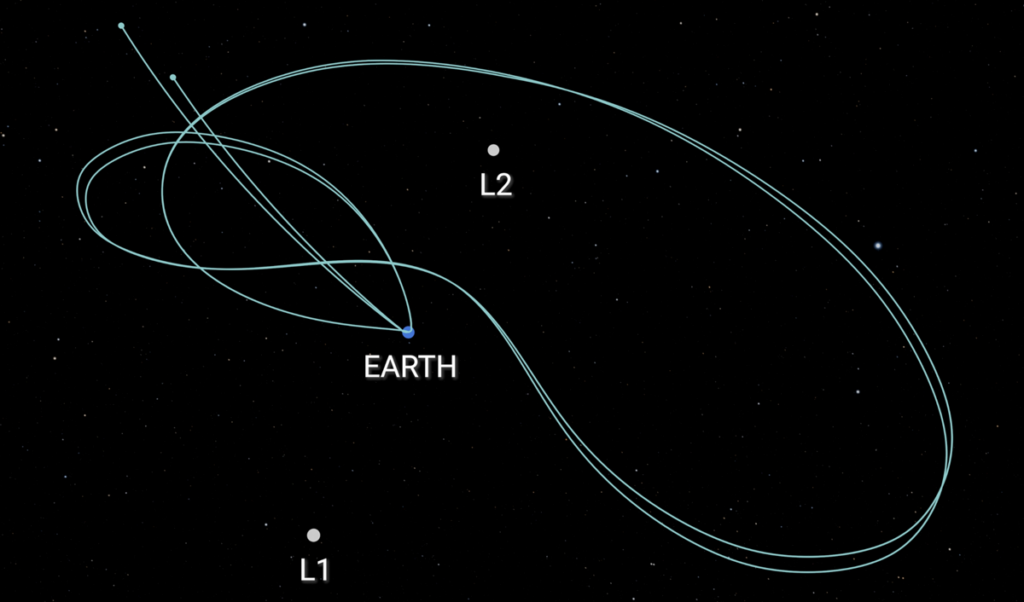
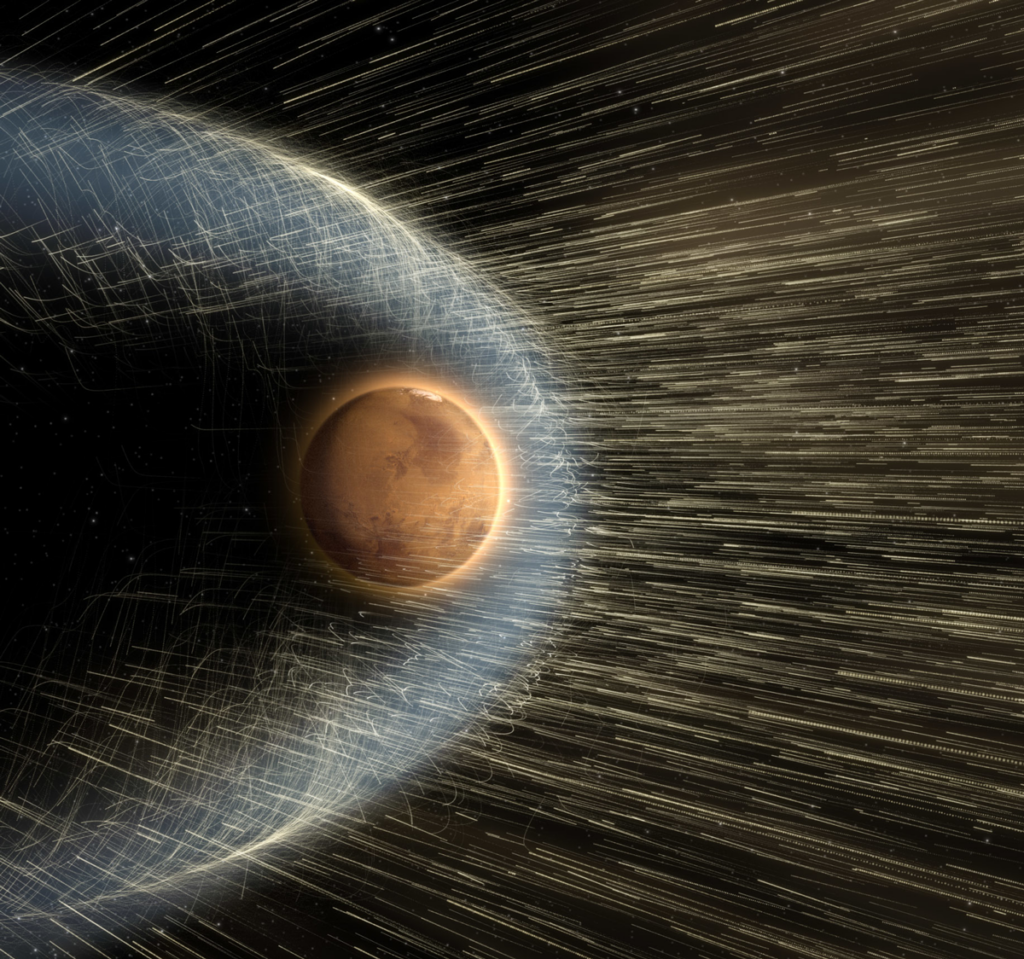
Twin Spacecraft Ready to Head for a Martian Escapade After loitering near Earth for the past year, twin spacecraft that will study the interactions between the Sun and Mars’s magnetic field and atmosphere are scheduled to head for the Red Planet in early November. They will arrive at Mars next September. ESCAPADE (Escape and Plasma Acceleration and Dynamics Explorers) is a low-cost NASA mission designed to help scientists understand how Mars lost its atmosphere and water early in its history. It consists of two small, identical spacecraft, Blue and Gold. They were launched on 13 November 2025 and have been in a specially designed “loiter” orbit near Earth since then, waiting until Earth and Mars were aligned. On 7 November, when it is closest to Earth, Blue will fire its engine for 9.5 minutes, then receive an additional boost from Earth’s gravity to propel it toward Mars. Gold will conduct the same maneuver 2 days later. Their path to Mars was circuitous even before they blasted into space. ESCAPADE was supposed to share a ride into space with NASA’s Psyche asteroid mission in 2022, which would have sent the twins directly to Mars. When Psyche was switched to a different launch vehicle, ESCAPADE was moved to the first flight of Blue Origin’s New Glenn booster, but technical issues scuttled that plan as well. “Fortunately, we have an incredible team,” said Shannon Curry, the mission’s project scientist and an associate professor of astrophysics and planetary science at the University of Colorado Boulder. “They sat down, sharpened their pencils, and worked out a way to make it happen.” After launch on the second New Glenn booster, their plan put the probes into a wide, looping kidney-shaped orbit around L2, the second Earth-Sun Lagrange point, where the gravitational pulls of Earth and the Sun are balanced. L2 is roughly 1.5 million kilometers from Earth, in the opposite direction from the Sun. This diagram traces ESCAPADE’s “loiter” orbit around Earth’s L2 Lagrange point. The two spacecraft will leave this orbit in early November. Credit: Matt Bolliger/Advanced Space Getting a Bonus “The most exciting thing is they transited through Earth’s distant magnetotail—a never-before-explored region. They got a unique set of observations that will be discovery-level science.” The revised mission plan has provided some bonus science, said Robert Lillis, ESCAPADE’s principal investigator and associate director of the Space Sciences Laboratory at the University of California, Berkeley. “The most exciting thing is they transited through Earth’s distant magnetotail—a never-before-explored region,” he said. “They got a unique set of observations that will be discovery-level science.” Earth’s magnetosphere—the region where our planet’s magnetic field dominates the space environment—is sculpted into a teardrop shape by the solar wind. The tip of the teardrop, the magnetotail, extends millions of kilometers beyond Earth. ESCAPADE traveled roughly 2 million kilometers into the tail, which is several hundred thousand kilometers farther than any previous mission, according to Lillis. “With two spacecraft, we’ve been able to analyze and investigate ways in which the solar wind and the interplanetary magnetic field modify and compress and twist Earth’s magnetotail at that distance,” Lillis said. “It’s a very dynamic environment. We’ve been able to constrain its size, its twist, how it tends to shrink when the solar wind pressure is higher. There’s a lot of ongoing analysis.” The probes’ instruments, which measure magnetic fields, charged particles, and the Sun’s extreme-ultraviolet radiation, will operate for most of the cruise to Mars. After arrival, the two craft will spend several months refining their orbits. For the initial science campaign, they will use a “string of pearls” alignment, with Blue and Gold following identical elliptical paths. As their distance from Mars varies, the separation between the probes will range from about 2 to 30 minutes. Martian Time Machine Mars was much warmer and wetter in the distant past, suggesting it might once have been a comfortable abode for life. But it lost most of its atmosphere and surface water billions of years ago. Scientists say much of the loss came as the interior dynamo that created the planet’s global magnetic field shut down. Without a strong field to deflect them, solar particles steadily stripped material from the top of the atmosphere. The solar wind bombards Mars in this illustration. The planet’s magnetic field provides little protection, so the solar wind erodes the planet’s atmosphere. Credit: Scientific Visualization Studio, NASA ESCAPADE’s dual spacecraft will allow scientists to monitor that process in real time, which they haven’t been able to do with previous missions. “With a single spacecraft, we could only see changes in the magnetic field over timescales of a few hours [the craft’s orbital period],” Lillis said. “Now we’ll have a unique opportunity to understand how this system varies on a range of timescales that we’ve never investigated before.” After about 6 months, Blue and Gold will shift altitudes, so the gap between them will widen. “I think of it as having one spacecraft ahead of the planet, where it can see the Sun and solar inputs, and the other behind, measuring the response of Mars’s atmosphere and its magnetosphere at the same time,” Curry said. “It’s the first time we can see this response in real time.” The combination should reveal new insights into how space weather is depleting the Martian atmosphere today, which can be used to better constrain atmospheric loss in the distant past, Curry said. The Blue and Gold spacecraft loop around Mars in this illustration. They will follow an initial “string of pearls” configuration, allowing them to sample the same region of the magnetosphere a few minutes apart. Credit: Rocket Lab “This is a huge piece of the puzzle when we think about Mars habitability.” ESCAPADE’s dual measurements will be especially helpful during solar storms. “We think solar storms were one of the main drivers of atmospheric erosion around three to three-and-a-half billion years ago, when the Sun was more active and had more storms,” Curry said. “By measuring these storms in real time for the first time, we can see what a storm looks like and, at the same moment, how the atmosphere is escaping—how these particles are being accelerated away from the planet.
So if we can understand what’s driving atmospheric escape today, we can look back in time and start to get a better understanding of how the atmosphere eroded and where all the water went. So this is a huge piece of the puzzle when we think about Mars habitability.” —Damond Benningfield, Science Writer Citation: Benningfield, D. (2026), Twin spacecraft ready to head for a Martian escapade, Eos, 107, https://doi.org/10.1029/2026EO260343. Published on 27 October 2026. Text © 2026. The authors. CC BY-NC-ND 3.0 Except where otherwise noted, images are subject to copyright. Any reuse without express permission from the copyright owner is prohibited. https://eos.org/articles/twin-spacecraft-ready-to-head-for-a-martian-escapade #spacecraftready #martianescapade #earth #twinspacecraft #mars #november #newglenn #blue #sun #dynamicsexplorers #rss #feeds #linksharing #qwibbit

#spacecraftready #martianescapade #earth #twinspacecraft #mars

Welcome to GeoPulse spacestr profile!

About Me

Geology, volcanoes, and Earth discoveries. Unofficial automated fan feed. Content belongs to its respective owners; not affiliated with source publishers.

Interests

  • No interests listed.

Videos

Music

My store is coming soon!

Friends