spacestr

šŸ”” This profile hasn't been claimed yet. If this is your Nostr profile, you can claim it.

Edit
Andrew Doran (Unofficial)
Member since: 2026-10-16
Andrew Doran (Unofficial)
Andrew Doran (Unofficial) 46m

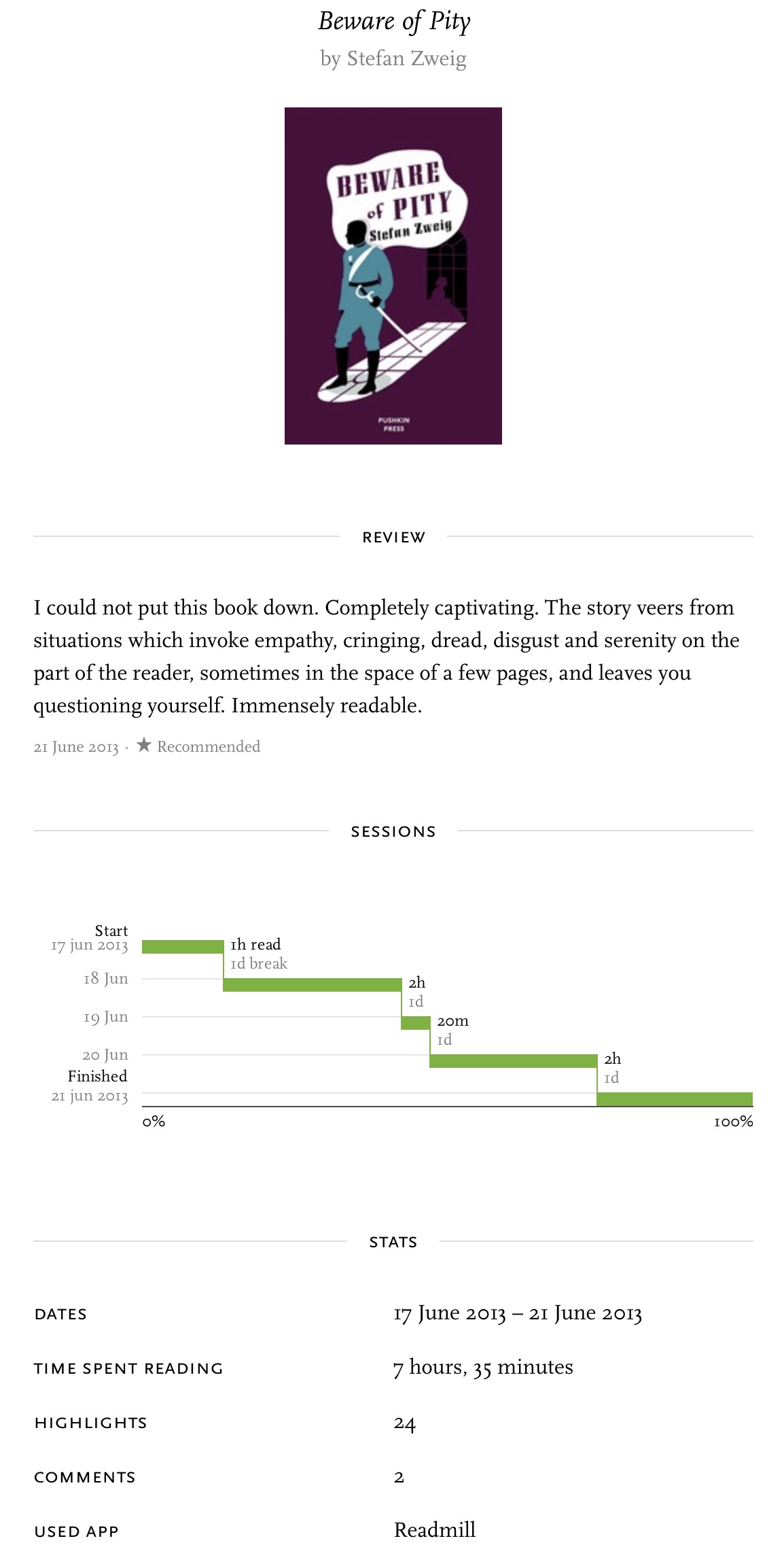
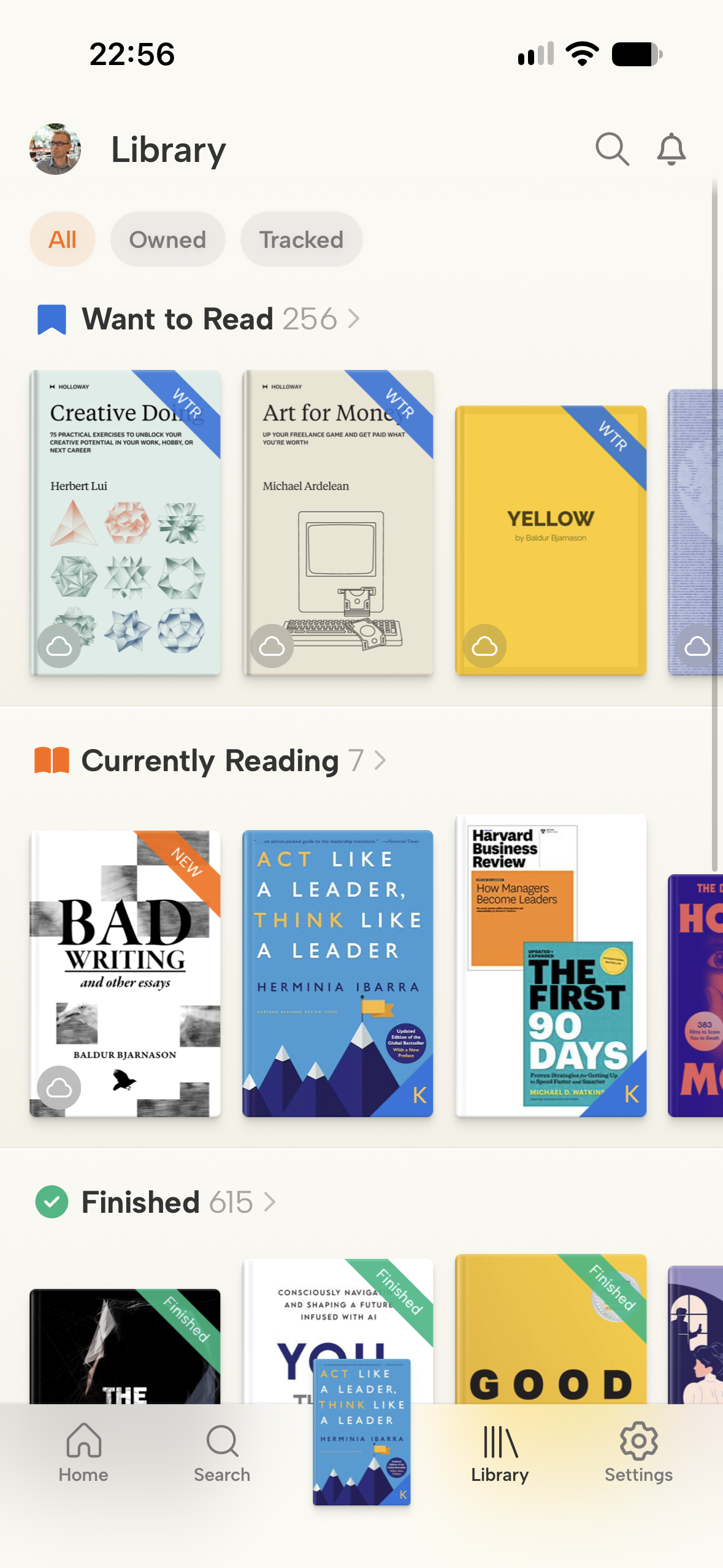
Readwise Books might (eventually) fix my Readmill-shaped broken heart Twelve years ago, the team behind my beloved reading app Readmill announced that they were closing shop. It was the first time that I’d felt bereft at the loss of an Internet service. I wrote a post about the joy it had brought me, and my quest to find something that would fill the gap. The Readmill platform and apps had a lot of class in their design, and it was lovely to use them for reading. They had an API that allowed developers to create apps such as ReadMore, which let you track reading sessions for physical books that would then get synchronised to Readmill. But the killer feature for me was the social component. I followed people on the platform, and through the website I could see their progress and comment on the highlights they made, and they could do the same for mine. Just as Strava is social media through the lens of exercise, Readmill was a social platform for reading books. There is a benefit to ā€˜reading out loud’ for the world to see. Making connections with other people through highlighted passages was my thing. Ultimately, what it did for me was to spur me into spending more time reading books. And I loved it. Readmill shut down as they were unable to make it a viable, sustainable platform. Even if a significant proportion of its enthusiastic user base were happy to pay for the service, it wouldn’t have been enough. Dropbox acqui-hired the team and that was the end of it. I downloaded my beautiful Readmill archive — the team were classy until the end, making this available to each of their users — and uploaded it to my website. I mean, just look how lovely these pages are: Screenshot of my reading journey for Beware of Pity by Stefan Zweig, my favourite novel, as logged by Readmill. After looking at alternatives, I finally settled on using Goodreads to track my books. Because Goodreads is owned by Amazon, starting to read a book on my Kindle meant that it would be automatically marked as ā€˜currently reading’ on the platform, and getting to the end of the book would prompt me for a rating and review before putting it on the virtual ā€˜read’ pile. You can add Kindle highlights to Goodreads, but the whole app is a clunky affair, devoid of fun and grace. At some point I stumbled across the original Readwise app, now called Readwise Highlights. This is a place to collect all of the snippets from the books, articles and other things that I read. The highlights are in a private silo, but there are options to share individual entries in plain text or with fancy graphics, many of which I’ve used in my blog posts. One good thing to come out of Readmill’s demise is that I decided to create my own book-tracking page on my blog, so that details of what I’ve read aren’t just buried away in someone else’s website. All of this works just…fine. But it’s missing the fun. In truth, I’d found the social aspects were the things that drove me to pick up a book on my phone instead of opening other apps. My reading habit trailed off after Readmill vanished. And then this week, out of the blue, Readwise co-founder Daniel Doyon sent me an email that made me sit up and pay attention. Readwise have launched a new reading platform called Readwise Books, which might just be the seed of something that will gradually fill the Readmill-shaped hole that I’ve been living with these past dozen years. Their blog post on the launch is an excellent read. I devoured it on my commute home. It explains how Readwise Books is step three of their ā€œmaster planā€ to ā€œimprove the practice of reading through software by an order of magnitudeā€. And I think they are onto something. As I read the post, I was delighted (but not surprised) by how much thought, effort and genius they’ve put into the product. They’ve smushed together an e-reading app with Goodreads functionality to create ā€œThe Strava of readingā€. This is exactly what Readmill was for me. As you use the e-reader, it tracks not only the duration of the reading session, but also the type of reading that you are doing — quick skimming, or a more immersed or active session — a concept similar to training zones in Strava. Their theory, backed by links to evidence, is that just as fitness tracking has taken off in recent years for physical health, so tracking good-quality reading will take off for mental health and longevity. There’s a light social network attached where you can follow people and see what they are reading, which you don’t need to participate in if you don’t want to. From their blog post: Reading simply hasn’t had its wellness moment yet, but we’re betting it’s close. When it comes, we’re optimistic the secular downtrend in the time adults dedicate to books will reverse. Not because ā€œsmartphone bad,ā€ but because the wellness movement has proven, at scale, that ordinary people will do hard things like lifting heavy objects, sitting in ice water, and going to bed on time, as long as the behavior comes with a bit of science, a number to track, and other people doing it alongside them. As a Readwise subscriber, I’ve got early access to the app, which is invite-only for now. I immediately downloaded it. Once I fired it up, it imported my data from Goodreads and Kindle, populating my shelves and my book library. The onboarding process was a delight, and it gave me something to start with. The app is dripping with quality and is a fun to navigate around. My library as shown in Readwise Books If I was based in the US, I would be able to purchase ebooks through the app. Incredibly, the Readwise team have managed to get deals in place with all five of the biggest publishers to allow them to have their own ebook store. In their words from the announcement post: Fortunately, we’re happy to share that after several years of effort, we’ve now overcome the upfront barriers to entry. We have distribution deals with all of the Big 5 publishers, we’ve stood up the bookshop, and, as we’ll get into soon, we’ve built a compelling product. Many challenges still lie ahead, but we’ve done all of this as a sustainable business that can survive in a small market rather than relying on the promise of capturing x% of the market to raise the next round of funding. This means, as far as we know, Readwise is the only truly independent, digital-first challenger to credibly enter the ebook market, ever. But — and I think they are underplaying this — not being able to use the ebook store doesn’t mean you can’t use their platform. In Readwise Books, when I tapped the Kindle book that I am currently reading, it opened the Kindle Cloud Reader within the app, allowing me to read it and track it as if I had bought it from the Readwise store. This is an amazing idea, and smashes down the barrier of needing to wait until their ebook store is available here in the UK. The Kindle book is only presented in a scrolling format, rather than one where you can turn from one page to the next, but I am hoping that this might appear in a future release. The social highlights feature that I loved so much in Readmill isn’t part of the platform, but maybe they will find a way to add this feature in time. If they ever do, I am sure they will do it in a beautiful, thoughtful way. It’s exciting. As an early user, I have a small number of invite codes to give away. If reading on your phone, iPad or Android tablet is your thing, and this platform sounds as good to you as it does to me, please let me know if you would like an invite. Thank you for using RSS, you are fabulous. ā¤ļø āœ‰ļø Email me about this šŸ’¬ Comment on this post ā¬…ļø Visit all posts https://andrewdoran.uk/blog/2026/10/30/readwise-books-might-eventually-fix-my-readmill-shaped-broken-heart/ #readmill #readwisebooks #readwisehighlights #goodreads #kindle #rss #feeds #linksharing #qwibbit
#readmill #readwisebooks #readwisehighlights #goodreads #kindle
Andrew Doran (Unofficial)
Andrew Doran (Unofficial) 1d

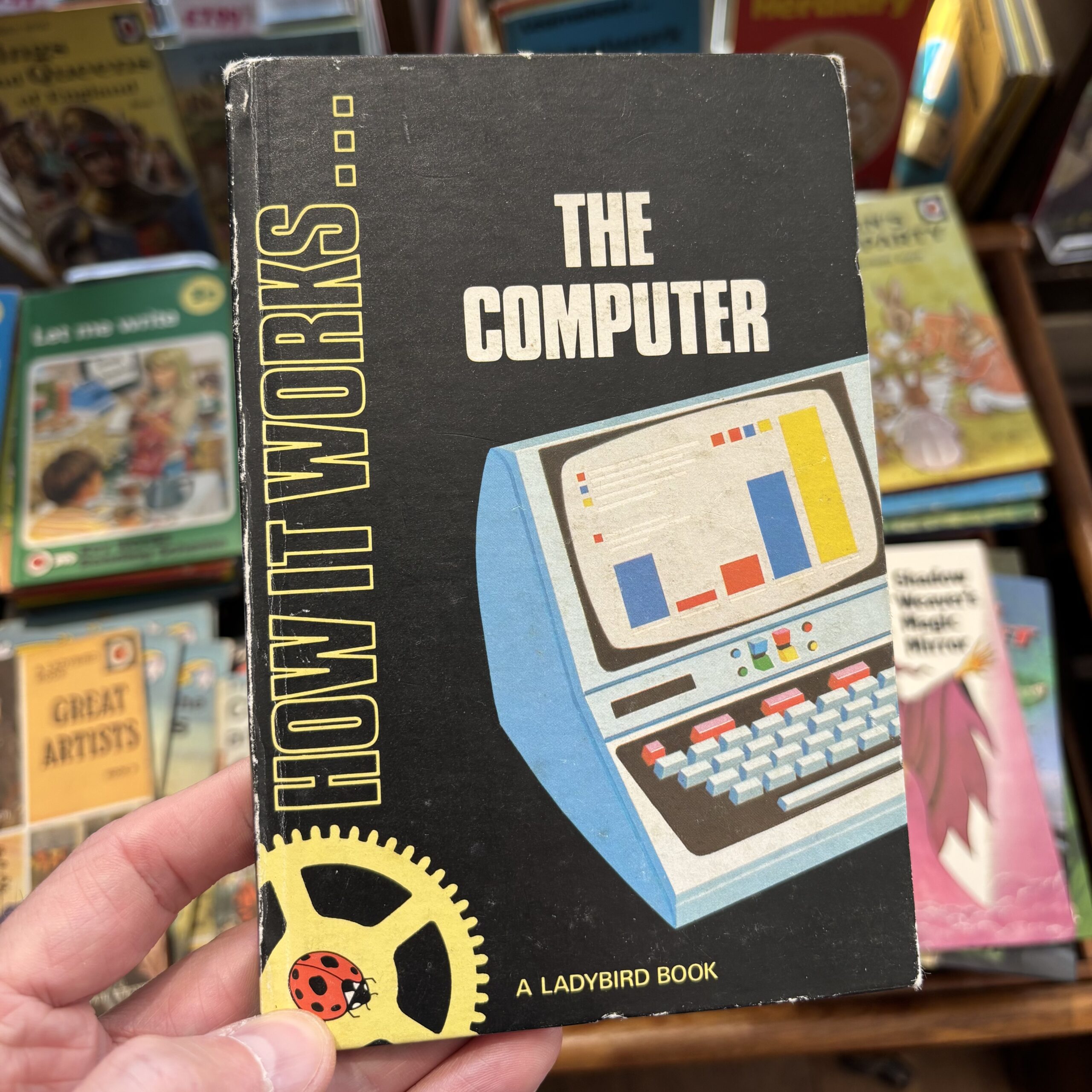
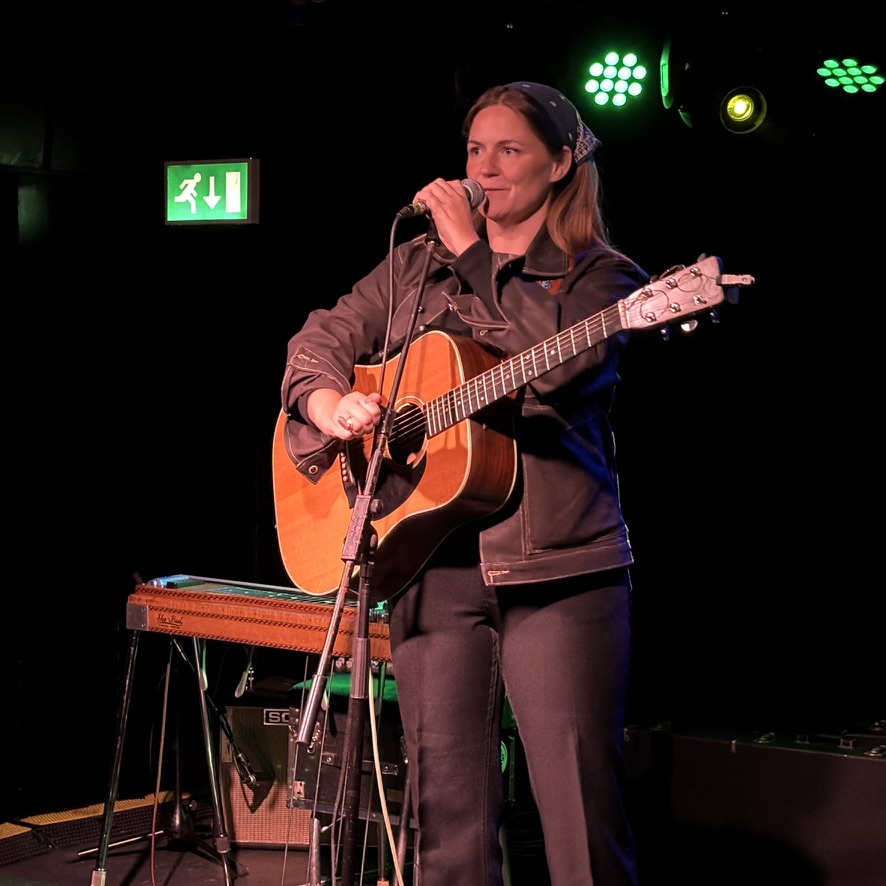
Weeknotes #400 — Erin Rae Essential reading in the Berkhamsted Oxfam Books and Music store. As this is a milestone weeknote, I’m going to try and change these a little. For a long time I’ve been following the same pattern, which, while useful as a structure, feels like it has become stale in parts. If those parts aren’t fun to write, they can’t be that fun or useful to read. It’s time for something a tiny bit different. I’m planning to leave out the things that are either routine or don’t matter as much. This might be a one-off; let’s see how it goes. This week was hard. I’d known for many months that my boss was retiring, but the first week without him brought the reality home. Across my week, there were a few tricky meetings and conversations within the team, which on more than one occasion led me to bring up Alfred Adler’s quote that ā€œall problems are interpersonal relationship problemsā€. I spent some time reflecting on how I’ve been feeling and the reasons behind it, and thinking about how I want the people working for me to feel. At the weekend I fired up ChatGPT and Claude to help me work on my ā€˜personal brand’ — a horrible phrase, but I’m not sure what else to call it. After much back and forth, I ended up with ā€œA technology leader who turns big ambitions into work people understand and can deliverā€, which I am quite pleased with. This has definitely been where I’ve been operating over the past few years, getting my arms around big initiatives and giving people the space to get their parts done. I like that it includes a nod to strategy as well as simplifying things that are complex for people, both of which I enjoy. I also added some commentary to my LinkedIn work history. Both of these things were long overdue. At work we had an internal Technology conference which I joined online, starting at 7:30am on a Monday. It was well worth it; the speakers were much better than I’ve seen at many events.1 On Tuesday night I got back from London, quickly got changed and then drove to Watford A&E, where my father-in-law had taken himself in a taxi and was waiting to be seen. I think I’m quite good at tolerating sitting in a waiting room, observing the cast of weird and wonderful characters around me. When we eventually got to see the medical team they were brilliant. We didn’t get back until around midnight, heading to bed without dinner, but I was grateful in that it could have been worse. I took my father-in-law for a follow-up appointment on Friday morning, which left the end of the week feeling bitty. My brother-in-law visited his parents over the weekend and came to stay on Saturday night. We went out for dinner at Per Tutti in Berkhamsted and it was great to catch up. On Thursday, my wife and youngest son headed off to San Antonio, Texas, to go and visit our eldest boy in Kingsville. It was so good to see photos of them all together when they finally arrived. I miss that eldest son of ours, but I’m so happy that he’s getting on and doing what he wants to do in life. In the office, we had a very quick refresher on how to use an automated external defibrillator. I’ve been first aiding for 25 years and it is incredible how much the technology has advanced in that time. The demonstration machine is of a type that gives feedback on the rate at which someone is administering chest compressions. Amazing. I found myself wrestling with articulating a problem about how to break down a piece of work to maximise the effectiveness of Microsoft Copilot. I had quite a few baffled looks as I explained what was in my mind. I’m going to have to write it down to try and express it more clearly. I had a solo night out at The Grace in Highbury to see Erin Rae. She was delightful. I discovered her through her live cover of Gene Clark’s Some Misunderstanding; she tried playing it on request as part of her encore but I don’t think she’d played it for a while and she was a little rusty. Support came from Henry Grace (no relation), who seemed overwhelmed to have been asked — that day — to take part in the evening’s events. Henry Grace getting things going at The Grace, 22 October 2026. Erin Rae on stage at The Grace, 22 October 2026. The working week closed out with a great, impromptu conversation with one of my colleagues in Johannesburg, covering a lot of bases but mainly focused on AI, the level of technical knowledge and literacy that we have, and the future of work. After our call I had to scribble down as much as I could remember in order to get my thoughts straight. The weather here has turned cold where there are no clouds overnight. In my tired state, with a forecast of sprinkles of rain at the end of the ride, I decided to go on my bike trainer instead of venturing out on Saturday morning. I think I would have avoided the rain, but it would have been wet and muddy anyway. I needed an extra hour or two in bed more than I needed to get outside. On Sunday it was windy but bright; I did one of those very pleasing runs where you don’t try and push very hard and then find that you’ve got a PB or two along the way. Media Podcasts On the 404 Media podcast, Facebook whistleblower Frances Haugen gives a great illustration of how platforms have moved to algorithm-driven content, often to the detriment of their users (quote lightly edited from the YouTube transcript): Frances Haugen: I want to take some personal responsibility. When I worked at Pinterest … originally you only got content from people you explicitly chose. So you heard from humans because you chose those humans. I think it was largely chronological. People didn’t want to do the labor of finding 50 accounts to follow (because you needed about 50 in order to have a good feed). So, they introduced topics which kind of aggregated people together being like, ā€œOh, you said you like food. We think these accounts have a lot of food in them. We’ll basically ghost follow you onto their account because you follow food.ā€ And then about maybe six months or a year before I joined Pinterest, they moved to pure recommendations. And I joined during a time period where they were dealing with the fallout of moving away from being anchored on people you chose. So the challenge is when you go from being in an environment where humans are mediating how you interact with the world, to one where a computer is choosing how you interact with the world. In our case, our problem was it fostered a lot of monotony. Right? So the thing you are most likely to reshare is a thing identical to the last thing you reshared. So think of it this way: you’re shopping for daisy pillows. You add one to a board. Statistically speaking the next thing you will add to the board is a photo that looks as similar to this one as possible. And people were coming up to me in networking events and saying ā€œwhen did Pinterest get so boringā€, right? Because like it went from being eclectic and like exposed to all these things to being boring. And the challenge was that you know the world of content that comes from people you opt into is small. The world of content that you have not opted into is infinite. And the thing that TikTok really showed was that when you have the ability to show people anything from any window of time, you know, when the only thing that matters is how much time they can suck you in, you know, they don’t have any other user promise. They’re like ā€œWe’re not promising this is from your friends. We’re not promising this is from yesterday. We’re just promising you’re going to have a good time.ā€ You can in fact give them lots of dopamine and the perception of a good time. The question is, what do we trade off for that? Because as soon as we move away from having our time controlled by people to having our time controlled by computers, it comes back to the situation from The Social Reckoning, right? People ended up in those extremist groups because an algorithm said, ā€œHey, we’ve noticed that people who have some of your interests, they get very involved with these groups.ā€ And, unfortunately, you really, really need to make sure that whatever your definitions of success are also taking into account the biases that might be less positive because otherwise the AI will just find the shortest path to getting you to what the stated goal is no matter what the consequences are. Articles Mike Shuey talks about being bored in retirement and how to break the monotony. ā€œAt a job, people need something from you by Thursday. In retirement, nobody needs anything from you by any particular day, and that’s freeing right up until it isn’t.ā€ Somehow I’ve found myself signed up to the Banking Brief newsletter from Evident Insights and it’s actually quite good. Their write-up of the Jev AI model from TypeSafe AI is very interesting; it classifies things at rapid speed. It’s got me thinking about what types of problems this or something like it might be the solution to. Be Ready. For stuff. Bad stuff. I don’t think this is a bad idea, and I’ve been thinking about where we might store our supplies. Sean Goedecke tells us not to anthropomorphise big tech companies. This is probably applicable to any company. ā€œYour relationship to the tech company that employs you is not like a relationship with a person. It’s more like your relationship with your car. If you drive poorly or fail to change your oil, your car may stop working or even kill you, but it doesn’t love or hate you. It has no sense of fairness. It’s simply a dangerous, useful machine: useful enough to be worth getting into despite the risks. Anthropomorphizing it makes it harder to avoid those risks.ā€ I love what he says about the need to look for low-effort, high-reward wins in a company; I’ve found some of these in my career and they are often the things that people remember. Video The new version of East of Eden on Netflix is so good. It’s now on pause as my wife is away. A family conversation reminded me of the sheets of Letraset that my designer uncle used to hand down to me and my brothers. Shoo Rayner has a video that successfully conveys all of the fun and all of the angst that came with using it. My favourite YouTube channel, BBC Archive, posted a video from 1984 about life as an apprentice at BT. Aside from the horror of how exactly the telecoms engineers ā€˜secure’ themselves to telegraph poles, it got me thinking about how little work of the type shown in the video is around today. Computers have eaten so much of it. I also found myself engrossed in BBC Archive’s video from 1992 that looked back a decade to the BBC’s Computer Literacy Project. I owe my career to that initiative. Although it was ten years on from the BBC Micro, 1992 was still such early days. The mass-market arrival of the internet was just around the corner. Continued watching The World at War, including the episode on the Holocaust. I’ve read that this episode was ā€œthe first time a ā€˜detailed, analytical, no-holds-barred’ programme about the Nazi genocide had been shown to British viewersā€, which is incredible given that the series came out just shy of 30 years after the war ended. It must have been shocking to watch. I wasn’t sure if I’d seen the imagine… programme on Labi Siffre before, as it was from 2022. If I had, it was just as enjoyable the second time around. Siffre always seems like someone that I would love to spend time with. In the programme he sings his incredibly moving song Far Away, which was only released as a single this year, and brings Alan Yentob to the brink of tears. A wonderful talent. Schumacher ’94: The Birth of a Legend (2026) is a great trip down memory lane. I was watching Formula 1 on TV back then, but I had forgotten that in his first championship year he had been banned for a few races for ignoring a black flag. Watching the documentary, my main feeling was nostalgia for simple times — people going off to camp at the Hockenheimring for the weekend, taking barbecues and beers and not being bothered by anything other than having a good time. Audio I’ve had Helena Deland in my head again this week, this time with her beautifully delicate song The Animals. I can’t wait to see her live again soon. Books Finished reading a book written by a friend: You. Then AI: Consciously navigating a future infused with AI by Manish Dullabh. He wrote the book without any help from AI whatsoever. In it, he makes the case for how to live healthily with the technology as it imposes itself on ever more of our lives. Next week: Welcoming back my wife and our youngest son from their travels. Although, I overheard someone marvelling at how much better GPT-4.0 was than GPT-3.5 given that ā€œthis was just half a release laterā€. Thank you for using RSS, you are fabulous. ā¤ļø āœ‰ļø Email me about this šŸ’¬ Comment on this post ā¬…ļø Visit all posts https://andrewdoran.uk/blog/2026/10/28/weeknotes-400-erin-rae/ #rss #feeds #linksharing #qwibbit
#400 #rss #feeds #linksharing #qwibbit
Andrew Doran (Unofficial)
Andrew Doran (Unofficial) 1d

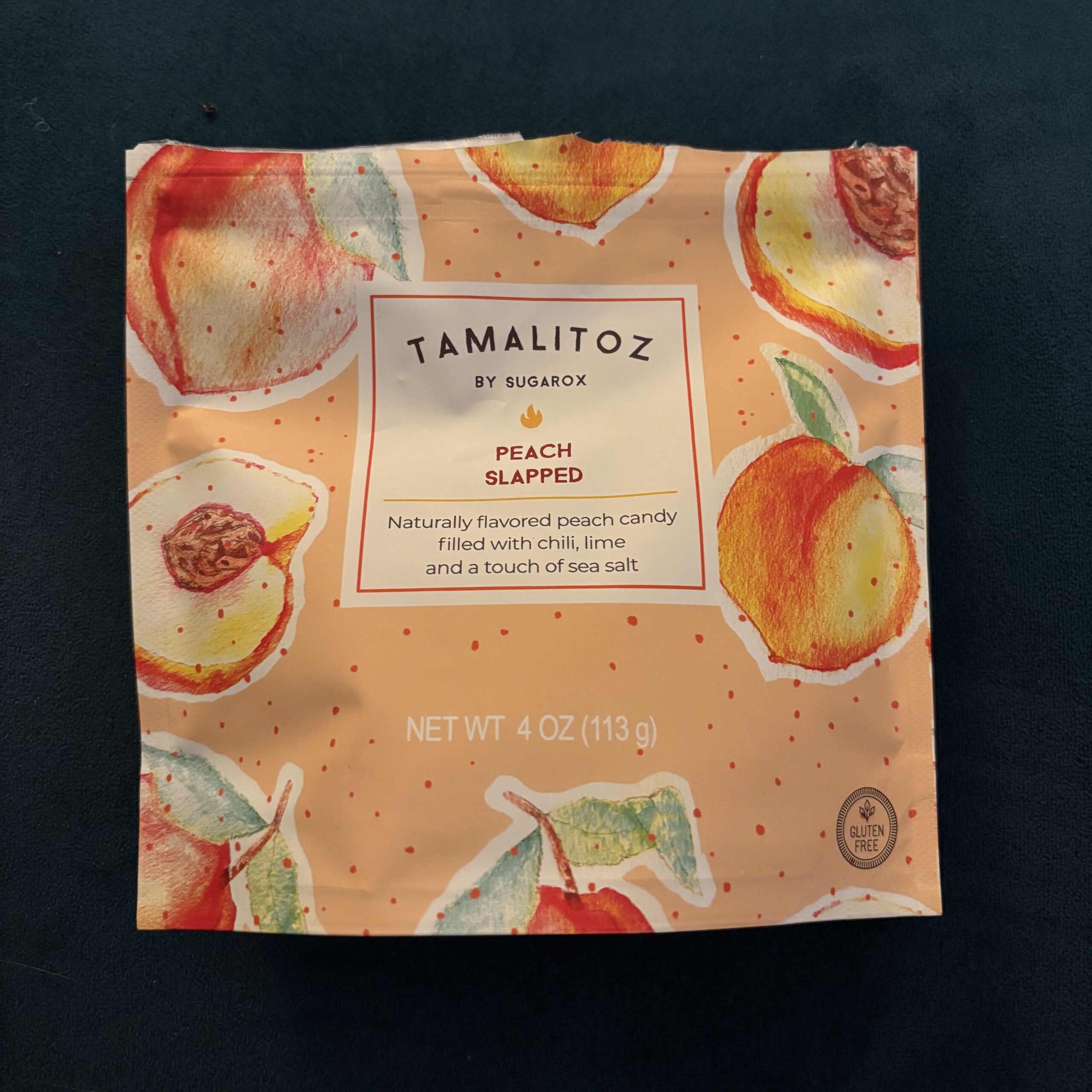
My wife brought me back edible gifts from Texas. These are incredible. https://andrewdoran.uk/blog/2026/10/28/14196/ #texas #rss #feeds #linksharing #qwibbit
#texas #rss #feeds #linksharing #qwibbit
Andrew Doran (Unofficial)
Andrew Doran (Unofficial) 7d

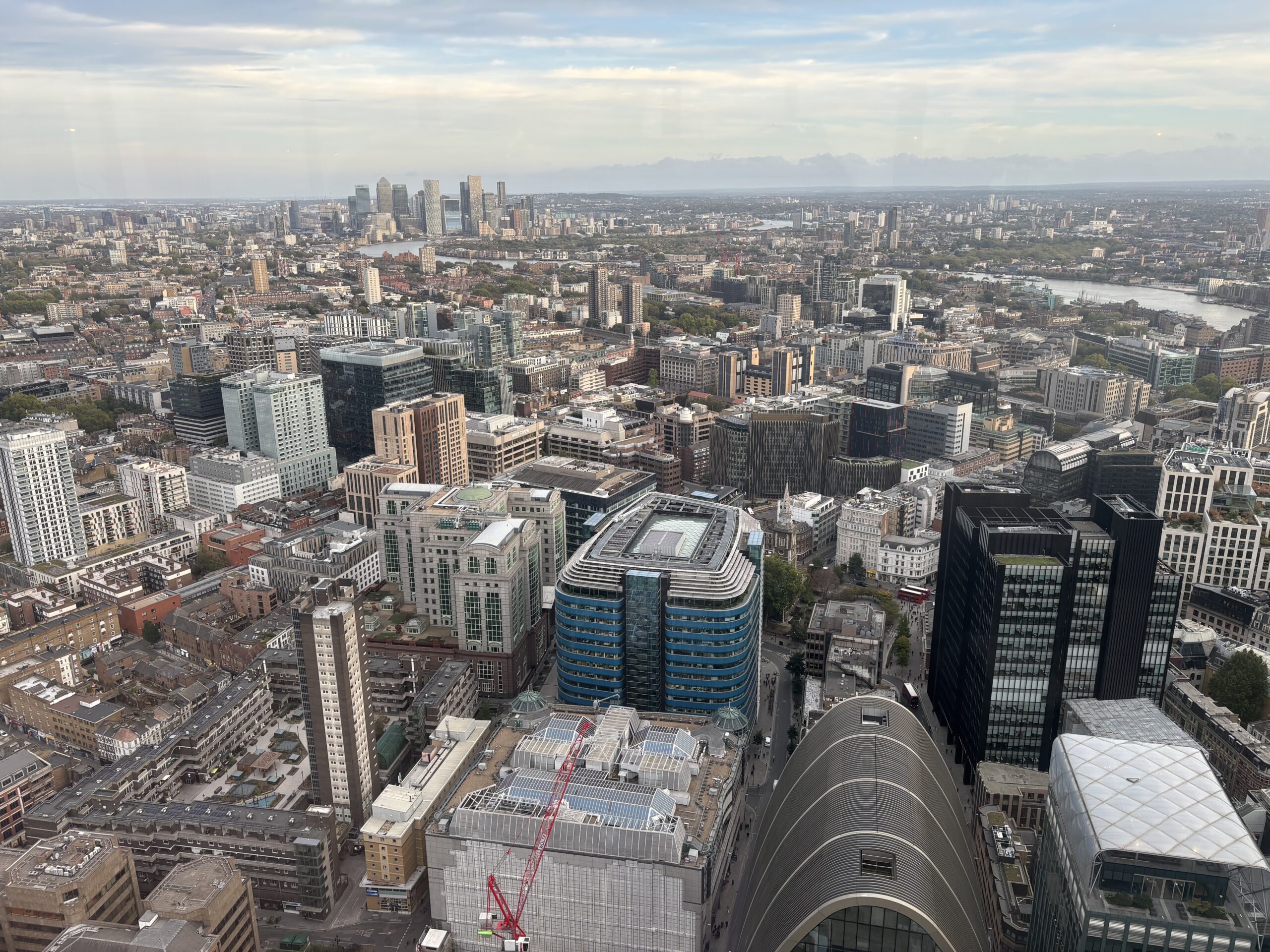
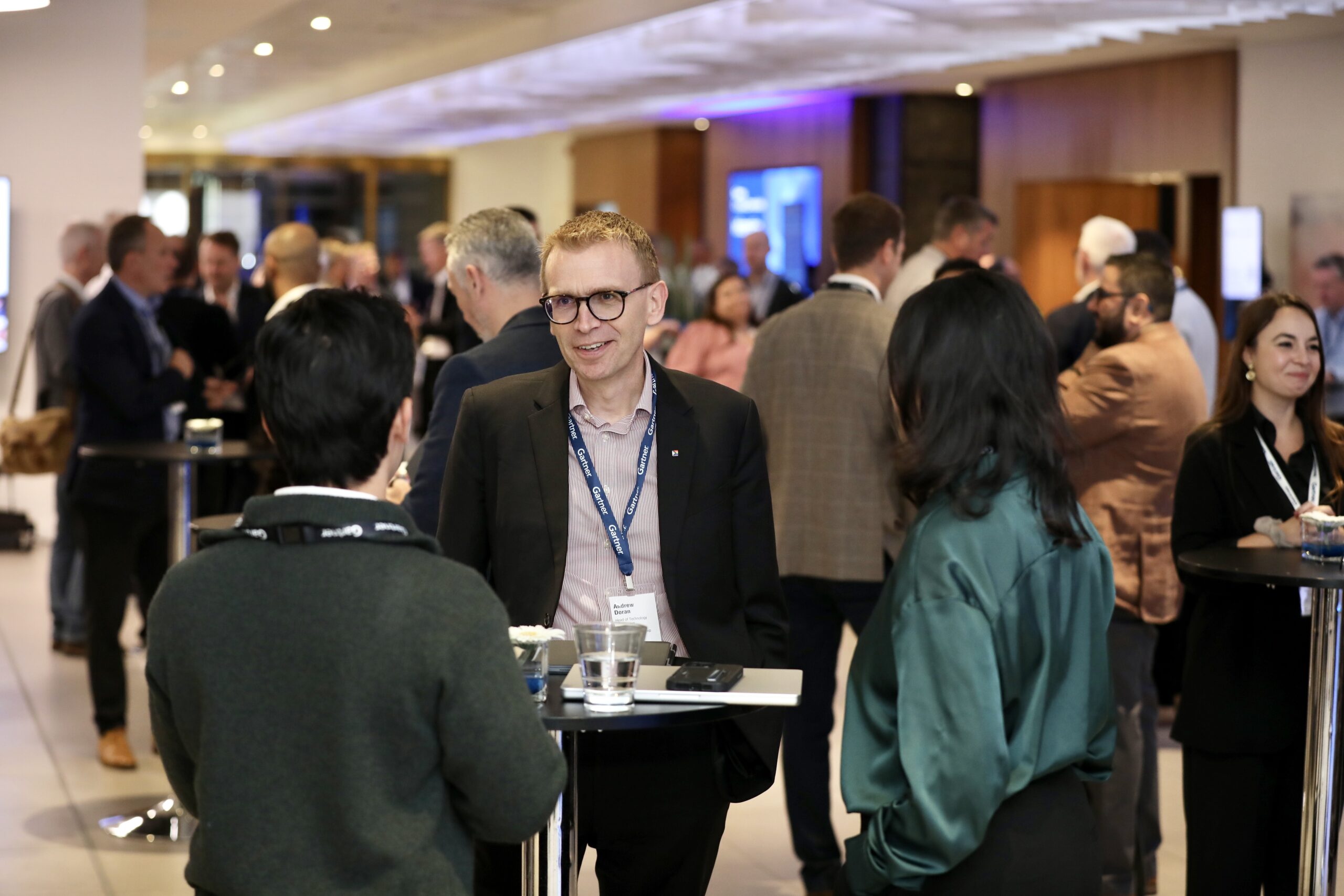
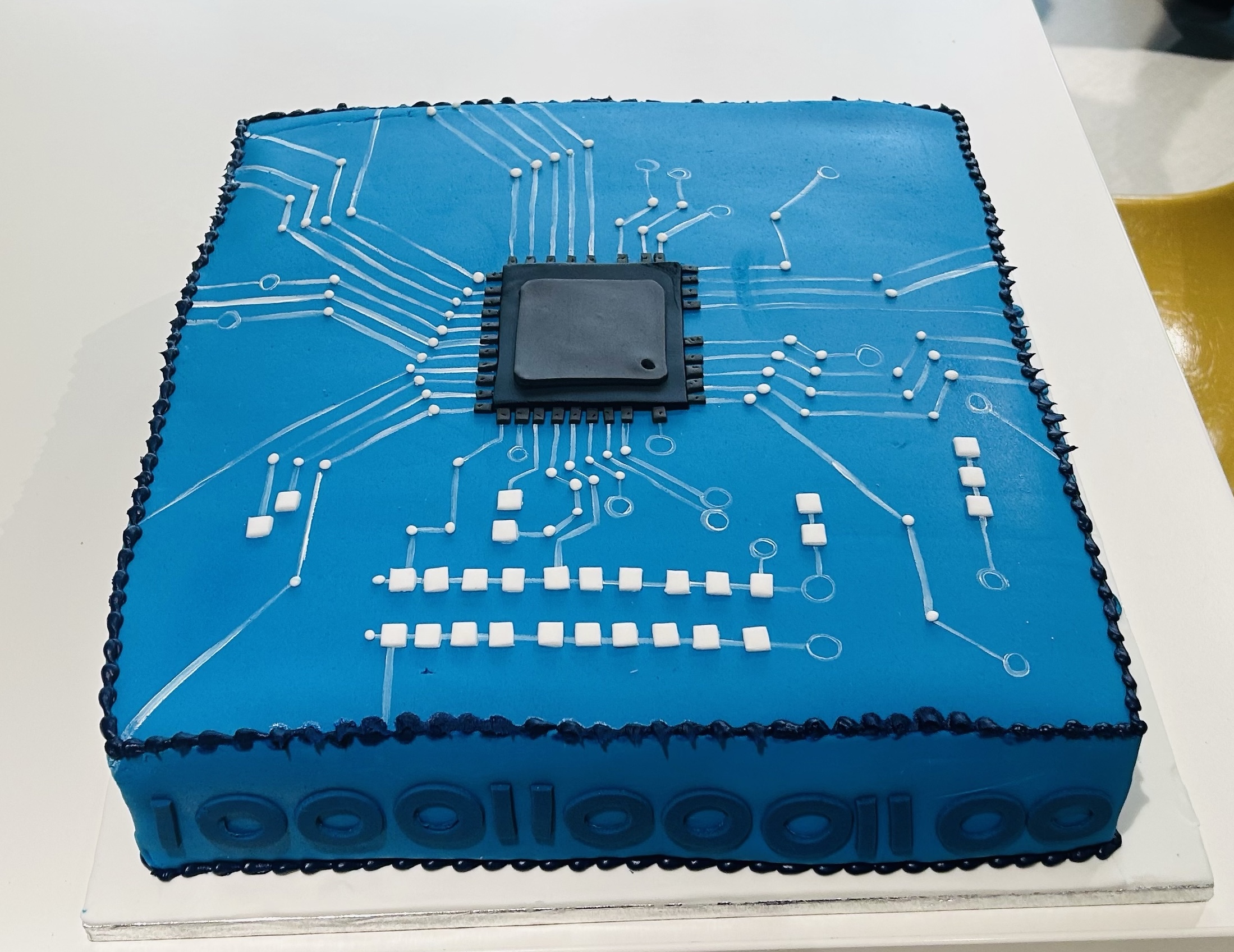
Weeknotes #399 — The sense of an ending Looking out over London from the Duck & Waffle at 110 Bishopsgate My boss retired on Friday. In one form or another, I’ve been working for him for most of the past 16 years. Looking back, deciding to move to this company and having the good fortune to meet and work for him feels like one of those extremely improbable events. As Ronnie Barker said when looking back over his career, ā€œWhat luck.ā€ His planned retirement, something that we’ve known about for over half a year, is one of those bittersweet moments where you are happy for your friend in that they are going off to do their next thing, sad for yourself as you won’t get to see and work with them every day, and excited for what opportunities might open up as a result of the change. My first stint of working for him started in 2010. I’d just left UBS, a company that I had joined as a graduate and that had given me so many opportunities, but had become a toxic place to work as a result of the fallout from the 2008 financial crisis. During my first week in my new job, he made a big impression on me, and we quickly bonded over conversations about personal productivity methods and tools. For five years we worked closely together and enjoyed a lot of success. This partnership came to an end when the company was broken up into two pieces — he ended up on one side of the deal as the sole technology staff member working for a new entity, and I ended up on the other side, in the bigger company that was left behind. We continued to work in the same building and kept in contact. As 2017 rolled around, he started to talk to me about a contract role in his nascent team, one that would involve coming up with a plan to build an entirely new IT infrastructure stack. At this point I was a very experienced manager of projects, programmes and project management offices, but my experience was mainly in software. What the heck did I know about IT infrastructure? After I voiced this question, he said something like ā€œDon’t worry. We’ll have fun doing it, even if we screw it up.ā€ Resigning from my job and coming to work for him for a second time was an even better decision than the first. We worked so hard, had so much fun, and delivered the most impactful project that I’ve ever been involved in. When the COVID-19 pandemic turned up, our staff could just pick up their laptops and start working from home immediately thanks to the work that we did. Since then, I’ve gone on to run an office refurbishment in London and a move to a brand-new office in New York, neither of which I had any experience in beforehand. I felt trusted and supported every step of the way. He’s been an inspirational leader, coach, mentor and friend over all the years we have worked together. I’m going to miss him. This was a week in which I: Joined our team for a lovely and fitting farewell lunch at Manicomio. I think it’s probably my favourite restaurant in the area, having eaten there so many times over the years. Finished purchasing and wrapping the various retirement gifts for our boss. People were extremely generous, reflecting how popular a colleague he has been. Had our final management team meeting with our boss in the boss chair. Gathered more mental evidence that when the whole team is in the office, it’s both fun and productive. We need to do it more often. Had an excellent, wide-ranging catch-up with our Company Secretary. Met with our regional executive team to review our business performance and look at the macroeconomic outlook, ahead of the next cycle of strategic discussions with our most senior leaders. Prepared and submitted documents for governance committee meetings, and attended two of them. Had our regular internal review of operational risks, discussing lots of new items that we had captured since our last call. Met with our landlord’s Workplace Services manager to discuss some small changes that we would like to implement in a shared space in our office. Attended the latest Gartner UK & Ireland CIO Community Executive Summit, a one-day conference in central London. It started with a stand-up dinner on Tuesday night at Ironmongers’ Hall, close to the Barbican, which gave me the opportunity to meet other CIOs along with a couple of sponsors and vendors. It was fun to talk to people from different industries such as global shipping and meteorology. The Summit itself was very good, with an excellent keynote from analyst Gladys Yeo on whether C-suite leaders are equipped with the right level of knowledge about AI. I also heard an inspiring talk from the Chief Technology Officer and Chief Security Officer at Allwyn UK about their technology transformation at the National Lottery after Allwyn won the contract to run the service, taking over from Camelot, which had been responsible for it for three decades. I took part in a roundtable discussion about dealing with the costs of AI and was comforted by how many excellent people at different companies are trying to tackle the problem. In a later session, we heard from Bret Taylor, co-founder of AI startup Sierra and chairman of OpenAI. To finish things off, a few of the delegates had dinner at the Duck & Waffle restaurant at 110 Bishopsgate, high above the city. The whole event felt a lot more valuable than the previous meeting in June. I’m looking forward to the next one. Me, in mid-conversation at the Gartner UK & Ireland CIO Community Executive Summit. Photo courtesy of Gartner. Said goodbye to our colleague and friend as he retired. We gathered in the late afternoon in our office to celebrate. I’d secretly arranged for his wife to come to the office for the event, hiding her in a meeting room until just before things kicked off. After our COO and CTO spoke affectionately about his time with us, I also said a few words. I still can’t quite believe the time has come already. A fitting retirement cake for a CIO. Followed the farewell with a gathering at a pub around the corner from the office. A couple of weeks ago, I went on LinkedIn and looked at all of the mutual connections between my boss and me, dropping them messages to let them know that he was retiring and that we were getting together to celebrate. It was amazing — so many people turned up, some of whom I hadn’t seen in over a decade. We had a great night. I left late, but was far from being the last one there. Joined fellow Quiet Riot podcast supporters for an Ask Us Anything session with the hosts. Had an amazing time at the Institute of Contemporary Music Performance (ICMP) in Queen’s Park, London. My friend John and I went along to see Jon King from Gang of Four in conversation with Kevin Dettmar about the latter’s new book, Punk in 50 Pieces. The night was part of the ICMP’s Long Play Sessions, a series of music-related talks at their various campuses. It was an intimate affair as there were probably only 30 or so of us in the audience. I got to ask a question during the session about how easy they both found it to separate the art from the artist. Afterwards we both bought copies of Kevin’s book as well as Jon King’s autobiography, getting them signed and having lovely chats with the authors. I wish I could go to next Saturday’s session with Sathnam Sanghera on his book about George Michael. After the session we found ourselves on the very cool Lonsdale Road and jumped into the excellent, welcoming and warm Pizza Pilgrims for dinner. Jon King and Kevin Dettmar on stage at the ICMP, London, 17 October 2026 Pizza Pilgrims, Lonsdale Road, Queen’s Park Media Articles An interesting analysis of how many shots are in the average movie these days. (Via Waxy.org.) ā€œTrump is many things, but most importantly he is the stupidest person who has ever run a major nation state.ā€ Incredible writing again from Ian Dunt, this time on the people who are enabling Russia in its war against Ukraine. ā€œNever underestimate the man who overestimates himself.ā€ Video I caught another couple of episodes of The Celebrity Traitors, and then gave up on it. Towards the end of episode four, I was sitting there, pondering why I was watching it and what I was getting out of it. We finished watching the latest season of Ted Lasso. It’s far from what it was, but still has enough humour to keep me interested. Slow Horses is similar in that I’m pretty sure its best days are behind it. I guess new episodes will keep coming while there are enough eyeballs for them. We’ve started watching East of Eden on Netflix. I last picked up the Steinbeck novel back in 2021 and loved rereading it. So far, this production seems excellent. I was once again shocked, but far from surprised, by the revelations in the ITV documentary Undercover: A Year In Reform. Reform is a party filled from top to bottom with awful people who say and do awful things. The whole thing is available to watch on YouTube. Audio I recently bought a copy of the Steven Wilson remix of Chicago (also known as Chicago II), originally released in 1970. I grew up listening to and enjoying their later soft-rock sound and wanted to explore their work more deeply. It’s an excellent prog-rock-jazz album, and the song 25 or 6 to 4 is incredible. Check out the guitar solo from Terry Kath: Web Roy Tinker has ported a bunch of 68000 Mac programs from the 80s and 90s. Are we going to see a huge number of code ports over the next few years (or months?) thanks to generative AI? Next week: Waiting to hear about what comes next, and going to see Erin Rae. Thank you for using RSS, you are fabulous. ā¤ļø āœ‰ļø Email me about this šŸ’¬ Comment on this post ā¬…ļø Visit all posts https://andrewdoran.uk/blog/2026/10/22/weeknotes-399-the-sense-of-an-ending/ #rss #feeds #linksharing #qwibbit

#399 #rss #feeds #linksharing #qwibbit

Andrew Doran (Unofficial)
Andrew Doran (Unofficial) 15d

Weeknotes #397 — Cairo Looking out from my balcony at the Dusit Thani Hotel in Cairo, Egypt These weeknotes are over a week late. It’s been a busy time. After finishing up with work on Friday evening, I leapt straight for the ironing board to get a new set of work shirts ready for the following week. On Saturday morning, just after 6am, a taxi picked me up to take me to Heathrow for a flight to Cairo. In Egypt, the working week is Sunday to Thursday, which meant that I had a one-day weekend, which I spent travelling. Fortunately, the Wi-Fi was working on the plane and was good enough for streaming, so after paying Ā£11.99 I managed to tune in to the whole of the Formula 1 race in Baku, which this year was helpfully being held on a Saturday. Egypt is the third country I’ve visited in Africa, after countless trips to South Africa and a family holiday in Mauritius. I’d heard stories from friends and colleagues who had visited Cairo before, but I wasn’t quite sure what to expect. As you descend into the city and peer out of the aeroplane window, it looks ominously vast, with endless buildings that are all the colour of the desert that surrounds them. The journey through the airport was unlike that of any other place I’ve visited. With help from a local colleague, I’d arranged for the ā€˜Meet and Assist’ service, which meant that after I stepped off the plane and walked down the stairs from the corridor, someone was standing there with my name on a piece of paper. He greeted me, took my passport and landing card, escorted me through the fast lane at immigration and then walked with me to the baggage carousel. After getting my bag he took me through customs and then made sure I got to the hotel shuttle bus. I’m a fairly confident traveller, but it took all of the remaining stress out of the process. The reason for my trip was to visit the new office that our team have been fitting out and equipping over the past few months. There is no substitute for having visited a place to understand it. You leave there with a mental map of where everything is, what the specific quirks are, and an understanding of what the social dynamics are between the people that work there. Every one of our offices has elements that are very specific to that location, and Cairo is no exception. I have a distinct memory of a type-in game in a 1980s computer book that I read as a child, where the authors wrote about how crazy it is to be a Cairo taxi driver. Forty years later, I now understand what they meant. It’s completely mad. Vehicles of all kinds travel at different speeds down what would be six-lane highways if the lines were still visible. It’s a free-for-all. At one point during my trip we were heading down a wide one-way street at some speed when I did a double-take at a car passing us in the opposite direction. Uber cars are of questionable pedigree, and the app lets you order a motorcycle ride where presumably you can cling on with your arms wrapped around a driver, without a helmet. I didn’t try it. Security in the city is very visible, but often theatrical. Reception areas in office buildings have full-body metal detectors that serve no purpose other than to act as an obstacle to walk around. At the hotel, your vehicle is greeted with a sniffer dog and a guard that inspects the boot. As you enter the hotel, your bags have to go through an X-ray machine while you pass through a scanner, but nobody checks your pockets when the alarm goes off. It was so lovely to spend time with some of our local team in person, as well as colleagues from the myriad of vendors we have been working with. There’s still lots of work to do over the coming months, but we’re in good shape. The hours were long. On most evenings I found myself being the last person in the office. ChatGPT came to my rescue when I realised that I had to use an unintuitive panel to turn off the air conditioning. Uploading a photo of the panel and asking how to turn it off gave me instructions for exactly what buttons to press. The hotel had a selection of restaurants, including one with the largest menu of Asian food that I have ever seen, with dishes from China, Vietnam, Japan, Korea and more besides. On my first night I ate at the Turkish restaurant and watched as no fewer than four tables of diners had a fuss made of them by the staff as they each celebrated a birthday. It was clearly the place to go for a special occasion. The food was great. At the start of the trip I was travelling on my own, and I enjoyed sitting there with my book, taking my time with my food as I read. My nickname for chandeliers like this is ā€˜duster’s nightmares’. I took a photo of this one in the hotel as a superb example of the genre. I wanted to know more about where I was and the people that lived there. I pulled up a book from my archives called When Cultures Collide by Richard D. Lewis and started reading about the Arab world. I learned that what binds it together more than anything is a shared language, and dug into the significant differences between Arabic-speaking countries. Cairo itself is the largest city by population in Africa with over 23 million inhabitants. It is effectively an island, surrounded by the Mediterranean to the north and desert in all other directions. Egyptians have a proud history of learning and education, and a colleague told me that when he was growing up in the UAE, there were many Egyptian teachers in the schools there. I got the impression that some Egyptians identify much more strongly with the Arab world than with Africa as a whole. Running a multinational business across sub-Saharan Africa is as much of a challenge for Egyptians as it is for people in Europe. In my experience, business culture in South Africa is similar in that it also sees itself as something slightly apart from the rest of the continent, aligning itself more with European and American news and culture, but this seemed to be much more pronounced in Egypt. I talked with an Egyptian colleague about some of the things I had read in the book and she laughed at me, saying ā€œThat must be a very old book.ā€ The stereotypes and generalisations seemed antiquated to her. Egypt is a country that is building and modernising, and you can feel it. On the third day of my stay, I fell ill with ā€˜traveller’s tummy’. I hadn’t thought twice about brushing my teeth with water from the tap, or having ice in my drinks in the hotel restaurant at night, and was kicking myself when I realised. I knew something wasn’t quite right when I got up and went to the hotel gym but found that I was off my game. It turned into a mild fever, and that brought an end to enjoying any of the local food. I barely ate that day, and tentatively tucked into small morsels of the plainest food I could find for the rest of the trip. The fever went after a good night’s sleep, but the ā€˜other aspects’ didn’t, and I was still suffering with the same issues into the following weekend. It might be the first business trip where I’ve actually lost some weight. The result of calling room service to order some pita bread for my room, which is all I was willing to eat. It was a challenge to be understood, as ā€˜pita bread’ isn’t what the Egyptians call it. The person on the phone asked, ā€œWhat type of pita bread? Margherita, pepperoniā€¦ā€ I said I would call back, and immediately looked up ā€˜Phonetically, what do Egyptians call pita bread?’ The photo shows what was left after I’d eaten three different types of bread from the plate. In the middle of the week I was joined by a colleague from London whose mission was to advance specific aspects of our technical setup. He is a wizard, and it was fascinating and satisfying to watch him work. On Friday, when we were both back home, we each sent out an email to our team, his with a technical description of the current state of our setup and mine with more general observations and notes about the physical space that we need to follow up on. We all need to adjust to the realities and challenges of how work gets done in the city. Being there was invaluable in developing an understanding. When it was time to go home, I had the pleasure of the ā€˜Meet and Assist’ service once again. This time, a chaperone met me at the entrance to the airport. He took me through the first security barrier, where I didn’t need to take anything out of my pockets but had a physical scan and pat-down. He then took me to the check-in desk, picking up a departure card which he filled in by hand with details from my passport as we walked to immigration. After taking me through the fast lane again, he shook my hand and said goodbye as I headed for the second security check. I sauntered up to security and got into the shortest queue, only to find a guard shouting at me in Arabic as he passed. Helpfully, a traveller in the next line told me that I was in a female-only queue and that I had to join one for the men. I hadn’t realised that they were segregated by sex. A five-hour flight is pretty great. Short enough that you can cover it in a day without any significant jet lag, but long enough to be able to get some things done. Despite Cairo leaving me with a gift that keeps on giving, I’m already looking forward to going back again. Media Video I’m more than halfway through watching The World at War. It’s an extraordinary series that doesn’t feel as though it is over 50 years old. Like millions of others (probably), we watched the first two episodes of The Celebrity Traitors on Friday night. So far it doesn’t seem as good as the first series. I’m away again next week, and I am not sure my wife will be able to wait for me to watch the next instalment. Audio I was sad to not be able to make the WB-40 Album Club, but caught up with the host’s pick separately. Books I read the chapter on the Arab world from When Cultures Collide by Richard D. Lewis, as well as a little more of PandƦmonium 1660–1886: The Coming of the Machine as Seen by Contemporary Observers by Humphrey Jennings. Next week: Another business trip. Thank you for using RSS, you are fabulous. ā¤ļø āœ‰ļø Email me about this šŸ’¬ Comment on this post ā¬…ļø Visit all posts https://andrewdoran.uk/blog/2026/10/12/weeknotes-397-cairo/

Andrew Doran (Unofficial)
Andrew Doran (Unofficial) 15d

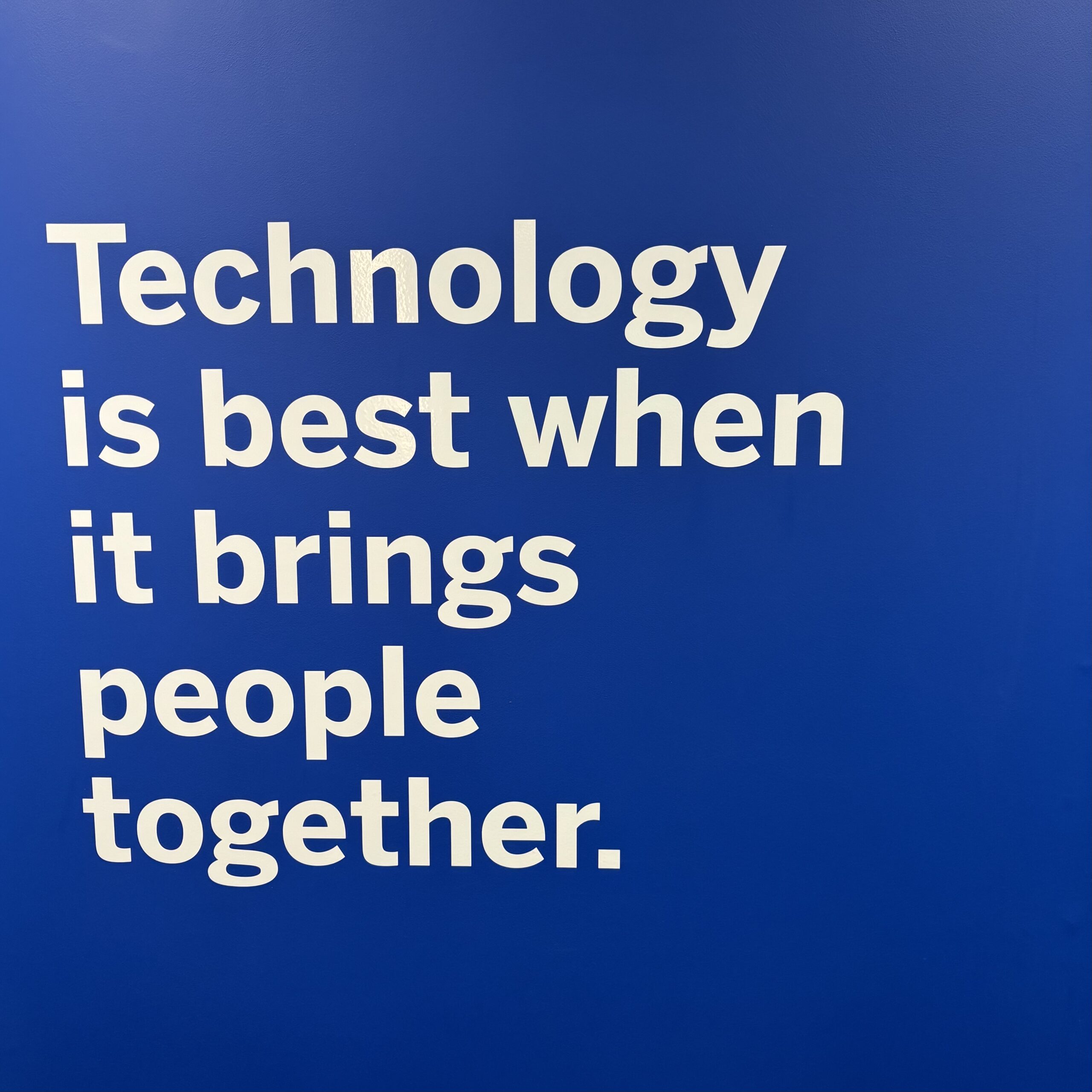
Weeknotes #398 — Medical attention We have this sign painted on a wall in our office in Johannesburg. Every time I walk past it, my inner radio sings ā€œbrings people togetherā€ in the voice of George Michael, adding ā€œā€¦it’s just a matter of tiiiiime.ā€ After getting home from Cairo on Thursday night, I had just two nights at home before heading back to Heathrow on Saturday afternoon for a trip to Johannesburg. The last time I was there was at the end of June in the middle of winter; October is a much better time to visit, with the jacaranda trees blooming and the temperatures climbing up into the high 20s. On the way down, the pilot of our plane announced that it was the 30th anniversary of Virgin Atlantic’s Johannesburg service. I’ve been on dozens of business trips down to South Africa with Virgin Atlantic over the past 15 years or so, which makes me feel like a veteran of the route. The ā€˜traveller’s tummy’ that I developed last week was still with me. It was strange; I felt fine in every other way, and had managed to go out for a very fast bike ride (for me at least) with the cycling club on Saturday morning. But things were not good. Without going into too much detail, on Sunday night they took an extreme turn for the worse. Instead of seeking urgent medical attention as advised by my AI assistant, I waited until the morning to see if things improved. They did, a little, but I wasn’t out of the woods. When I got into the office, to my surprise, I found that a few desks away from where our team sit, we have an internal ā€˜Wellness Centre’ that is staffed by a clinician and a nurse. I was so thankful to be at our head office, where the number of people working in the building justifies having this type of facility. They saw me straight away, and based on my symptoms they advised me to find a local doctor. Nobody in our team lived locally so I couldn’t get a GP recommendation from anyone. I went off to search for someone who might see me, with some help from ChatGPT. I made an afternoon appointment with a GP based a couple of blocks away. If my experience is anything to go by, private medical care in South Africa is amazing. The GP was brilliant, taking her time to examine me, listen to me describe my symptoms and suggest a course of action. She was caring and didn’t rush. For this service I was charged the equivalent of Ā£34. The doctor suggested having a sample taken and sent off to a pathology lab, which cost an extra Ā£28. I wasn’t fixed, but I felt relieved that someone had taken a look at me and made an assessment. I got the lab results back the next day via an email from the doctor, less than 24 hours after my visit. Given my symptoms, it felt disappointing that they found nothing at all. She recommended I take a short course of antibiotics and sent me a prescription over email. There was no shortage of pharmacies in the area I was staying in, so I headed to one of them after work to pick up the pills. The prescription cost me less than Ā£5, which is cheaper than the Ā£9.90 I would pay for an NHS prescription in England. Interestingly, the dispensing chemist wraps up the pot and hands it over to you in a locked cage, which is then unlocked by the cashier when you go over to pay. I’m happy to report that the combination of these pills, chewable probiotics and plenty of water had me back to normal by the time I left the country at the end of the week. Taking my prescription from the dispensing chemist to the tills in a little cage. It was my boss’s final trip to head office before he retires. We’ve worked together for most of the past 17 years and it was a privilege to be there at the same time as him. We caught up with lots of colleagues and friends, some of whom I haven’t spent time with in years. Late on Wednesday afternoon, the company put on a big event to celebrate him as well as to recognise and mark other changes in senior leadership within our Technology function. At dinner with colleagues that I worked with some 15 years ago, we talked about how we might keep in touch, and how groups of like-minded people do this in general. The very best example of a valuable community that I’m in is the WB-40 Podcast Signal group. Most of the people there contribute something to the chat on a regular basis. We’ve built friendships through humour and sharing things about our lives, and then when someone has a serious business or personal question, the community jump in to help. Is there something special about this set of people that means that building a similar community isn’t easy to do with another group? As we boarded the plane to go home on Friday evening, I found the Flight Service Manager and told her that my boss, sitting on the other side of the cabin from me, is retiring, and this would be his last business flight from South Africa, having made the same journey probably a hundred times over the years. She suggested giving him a nice embarrassing announcement over the tannoy, which she duly did once we were up in the air. The whole plane clapped and cheered. A little while later, my boss was confused when someone came up to him in his seat and pointed at him, asking, ā€œIs it you?ā€ ā€œIs it me what?ā€ ā€œIs it you that’s retiring?ā€ It turned out his noise-cancelling AirPods had worked a little too well and that he’d missed the entire thing, including the enthusiastic cheering and applause. It took a while for him to work out how the cabin crew knew. You don’t see many of these any more. At least, not in the UK. I can’t see this brand taking off in the UK. Flying back into London on Saturday morning. This was a week in which I: Found it difficult to stick to simple starchy foods, given that the whole week was filled with dinners to catch up with colleagues and friends. A starter of corn soup at Room 32 at Park Hyatt Johannesburg. It was very tasty, but not quite the plain rice or bread that I was told to stick to. Met the children of one of my close colleagues, young people that we’ve talked about in our one-on-one meetings over the years but whom I had never met. As it was our boss’s last week in Johannesburg and they had a day off school, she thought it would be good to say hello. And it was. Had lots of conversations about the topic of the moment, AI. Things are getting much more complicated with the explosion of tools and services. It’s irritating, but not surprising, that consultancies are releasing documents to feed the FOMO in the business community, screaming that everyone else is getting extreme value from the technology and you are just doing it wrong. It’s still so early. Put forward an idea about how we can formalise parts of our change approval process to increase traceability and accountability. Took part in a fire drill at our head office in Johannesburg. We have so many people working in the building that evacuating everyone and getting them all back inside the office took a very long time. It was nice to spend some time standing in the spring sunshine. Talked through a requirement for a client meeting planner for an upcoming marketing event, looking at different ways in which we might put something in place. Met with our CTO to talk through his technical findings from our recent visit to Cairo and agree next steps. Joined an internal online ā€˜fireside chat’ on neurodiversity in the workplace. The talk covered the personal experience of a colleague within our company as well as the support available to staff who are neurodivergent and want to disclose this to the firm. It was very well attended and well received. My contribution was to add that, aside from formal diagnoses, it is useful to be conscious that your team members and other colleagues might have particular preferences for how they work. Being aware of this diversity may mean that you can make adjustments even if they — or you — haven’t gone through a formal diagnosis or disclosure process. Reviewed memoranda and materials on how we might approach formally enabling a consumer-focused messaging platform in one of our locations. You can’t ignore the platform where the vast majority of people, including clients and vendors, talk to each other. Met with a vendor to talk through their solutions for intercoms and door access. Joined my youngest son’s parents’ evening online, despite being thousands of miles away from home. This is one aspect of modern life which is definitely better than it used to be before the COVID-19 pandemic. Fixed an issue on this blog caused by an update to a WordPress plugin. This time it was Claude that came to the rescue with a simple fix. Went out for a friend’s 50th birthday, with dinner at Hawksmoor Seven Dials followed by an evening singing and dancing at Archer Street. None of my friends had been to the bar before and they absolutely loved it. We stayed much later than planned, enjoying talking to random people and watching slack-jawed as the staff and DJ nailed some incredibly difficult tunes. Party time in Archer Street. Articles It’s great to see that Logitech are bringing solutions to market for larger meeting spaces. Here’s an interesting blog post on jobs in toxic workplaces. My reaction to the Formula 1 software problem is that I can only applaud the fact that it took them just 53 minutes to create and deploy a fix. Video Continued watching The World at War. Watched the penultimate episode of the latest season of Ted Lasso. It’s a show that’s had its time, but I keep watching. It still makes me laugh out loud. Finished watching Last Seen, which for me crossed the line into ā€˜trash TV’. Some of the things the characters do in the series are, frankly, ridiculous. Audio Listened to a playlist of songs by Thee Sacred Souls, curated for me by my eldest son. I really like the music, but for me it’s missing a tiny helping of special spice that would make me want to play it over and over again. I’m glad that someone is making modern-day music that sounds like Marvin Gaye, though. Books Started reading You. Then AI by my friend Manish Dullabh. Next week: A one-day conference, a retirement bash, and three nights out on the trot. Thank you for using RSS, you are fabulous. ā¤ļø āœ‰ļø Email me about this šŸ’¬ Comment on this post ā¬…ļø Visit all posts https://andrewdoran.uk/blog/2026/10/15/weeknotes-398-medical-attention/

Welcome to Andrew Doran (Unofficial) spacestr profile!

About Me

Unofficial automated RSS/Atom links to Andrew Doran's work on Frequent personal weeknotes about travel, health, books, and activities: authentic human-interest diary writing. Original work is credited at the source; follow the source links. Zaps support the independent feed operator, not the author.

Interests

  • No interests listed.

Videos

Music

My store is coming soon!

Friends