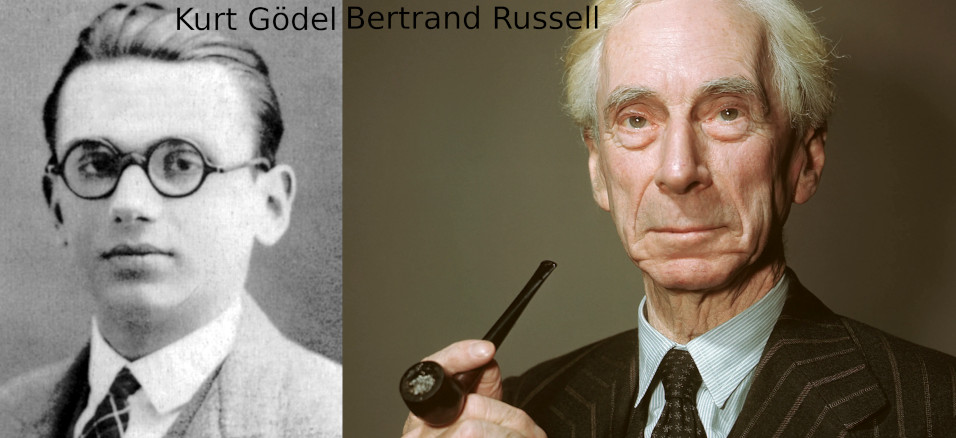
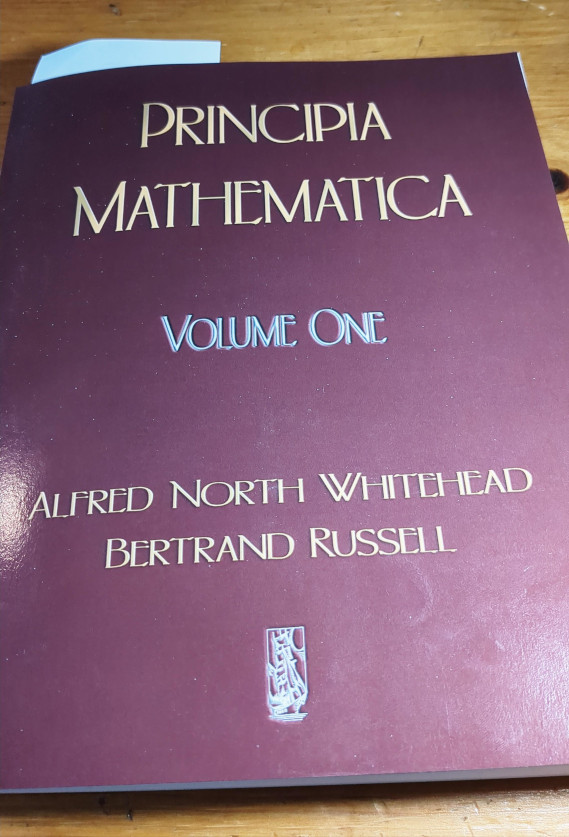
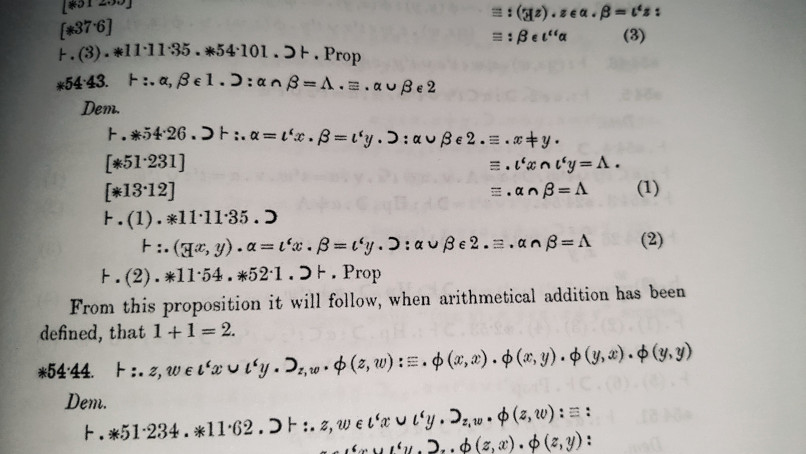
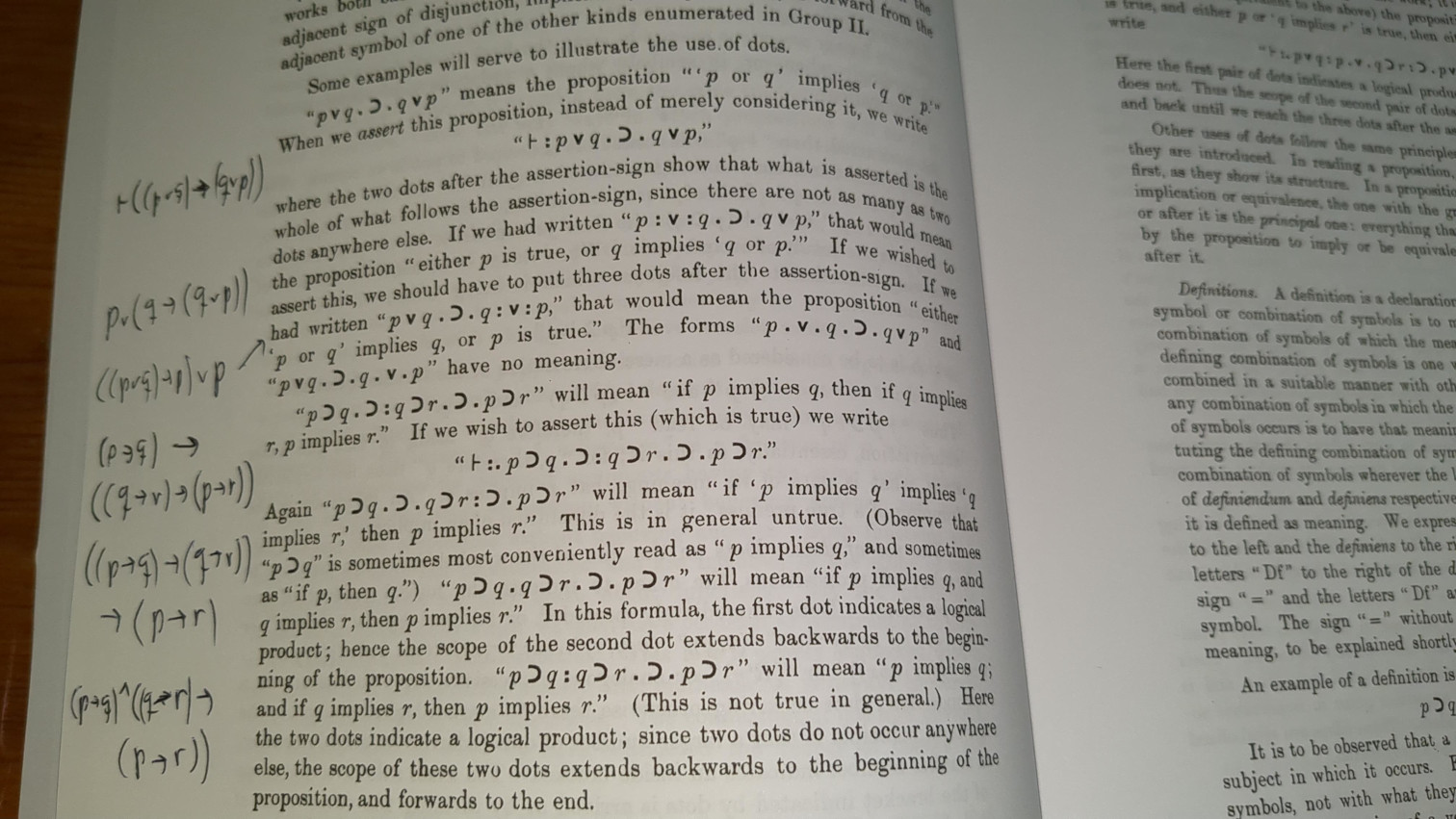
Kurt Gödel proved the first incompleteness theorem in 1931. He published the proof in his famous paper, “Über formal unentscheidbare Sätze der Principia Mathematica und verwandter Systeme” ("On Formally Undecidable Propositions of Principia Mathematica and Related Systems"). (Syntactic) completeness means that for any statement within an axiom system, either the statement or its negation is provable within the axiom system. Gödel's (first) incompleteness theorem says that every consistent (= free of contradictions) axiom system rich enough to contain "elementary arithmetic" (i.e. addition and multiplication of integers) always contains statements that are undecidable (neither the statement nor its negation can be proven from the axiom system). Hence those systems are incomplete, no matter how many axioms we add to them. https://en.wikipedia.org/wiki/G%C3%B6del%27s_incompleteness_theorems Other simpler systems have been proven to be complete, such as propositional logic (Hilbert, 1918), first order predicate logic (Gödel's completeness theorem, 1929) and Euclidean geometry (Tarski, 1930). However, Principia Mathematica (PM) by Russel and Whitehead was published in 1910. So - did PM contradict Gödel's incompleteness theorem? This was before Hilbert's program in the 1920's, that aimed to prove the completeness of mathematics. However, in PM, no claim is made to either prove or disprove the completeness of mathematics, so it doesn't contradict Gödel's incompleteness theorem. #mathematics, #gödel, #logic, #incompleteness