spacestr

🔔 This profile hasn't been claimed yet. If this is your Nostr profile, you can claim it.

Edit
iRunFar (Unofficial)
Member since: 2026-10-15
iRunFar (Unofficial)
iRunFar (Unofficial) 2h

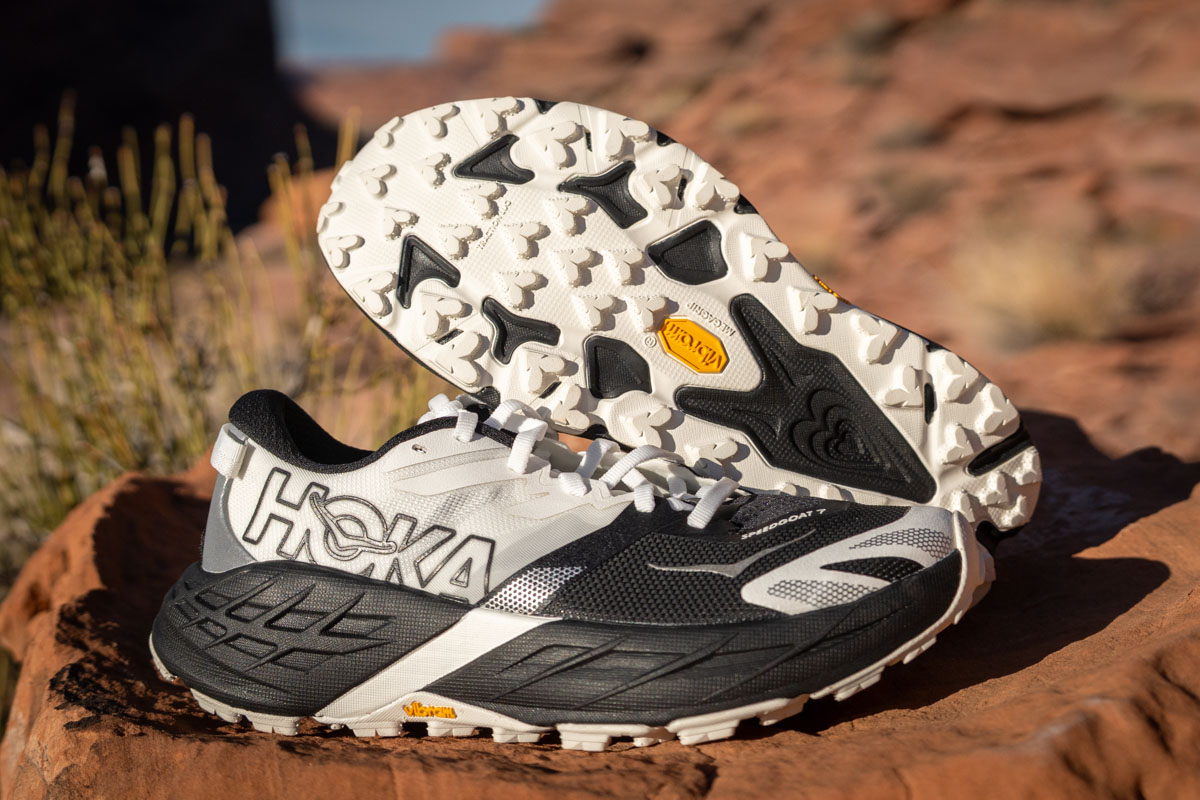
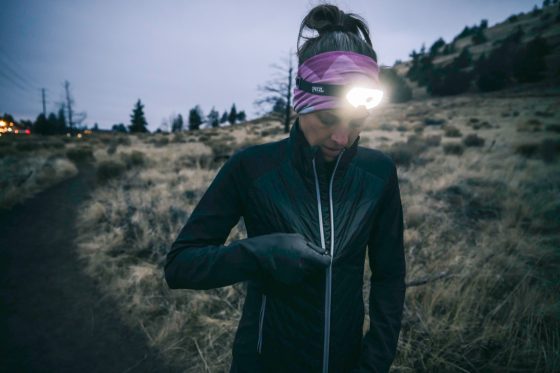
Best Cold Weather Running Gear of 2026 The post Best Cold Weather Running Gear of 2026 appeared first on iRunFar. The proper gear can make winter running safe and comfortable. Photo: iRunFar/Eszter Horanyi While we often think of the glory days of running as being in the warmth, in shorts and short-sleeve shirts, running in the winter can be equally magical and rewarding, given that you have the right clothing for the conditions. Having the best cold weather running gear can keep you dry, comfortable, and warm, regardless of what the conditions throw at you. Whether you’re frequently running in the snow, rain, or just really cold temperatures, having the right layers to put on and take off can help you stay comfortable and keep running outside throughout the cold months. In this guide, we share some of our favorite winter pieces to help you run safely and comfortably this winter. Our team has tested these pieces of gear over multiple years and seasons, on various types of terrain, around the world, and in diverse winter conditions. We are excited to share these recommendations, which were selected for their strengths and versatility. Even more than with our hot weather running gear, we understand the importance of trusting your cold weather running gear to perform at a high level, as situations can quickly become uncomfortable and even dangerous when it’s cold. When it comes to some of our favorite gear, our team frequently relies on the Patagonia Houdini Jacket to block the wind and the Trailheads Convertible Zip Mitts to keep our hands warm in the coldest conditions. We have recommendations for a wide variety of gear that can make winter running a joy. You can also skip down to read our recommendations on choosing the right cold weather running gear for you, our answers to your frequently asked questions about cold weather running gear, and how we put this guide together. [Editor’s Note: Fully updated October 21, 2026, for the 2026-2027 winter season with numerous top picks revised as well as to re-verify all prices, links, and availability.] Best Cold Weather Running Gear Best Winter Running Shoes for All Conditions: Salomon Speedcross 6 and Salomon Speedcross 6 Gore-Tex Best Winter Running Shoes for Packed Snow: Hoka Speedgoat 7 and Hoka Speedgoat 7 GTX Best Winter Traction Device for Off-Road Running: Black Diamond Distance Spike Traction Device Best Winter Traction Device for Mixed Conditions: Kahtoola Exospikes Best Hydration Pack for Winter Running: Salomon Adv Skin 12 Best Windbreaker Jacket: Patagonia Houdini Jacket Best Rain Jacket: The North Face Summit Series Superior Futurelight Jacket Best Winter Running Jacket: Patagonia Nano-Air Light Hoody Best Hybrid Jacket for Winter Running: Patagonia Airshed Pro Pullover Best Base Layer Shirt for Winter Running: Smartwool Classic All-Season Merino Base Layer 1/4 Zip Best Midlayer Shirt for Winter Running: Janji Rover Merino Hoodie Best Winter Running Tights: Patagonia Endless Run Tights Best Insulated Winter Running Tights: Janji Aurora Fleece Tight and Boreal Fleece Tight Best Headband for Cold Weather Running: Buff Dryflx Headband Best Winter Running Beanie: Sauce Swift Toque Best Gloves for Winter Running: Ultimate Direction Ultra Flip Glove Best Gloves for Very Cold Conditions: Trailheads Convertible Zip Mitts Best Sports Bra for Cold Weather: Ridge Merino Women’s Send-It Seamless Merino Wool Sports Bra Best Wool Socks for Cold Weather: Smartwool Run Cold Weather Targeted Cushion Crew Socks Best Headlamp for Winter Running: Petzl Nao LT Best Sunglasses for Winter Running: Rudy Project Propulse Winter running often requires significantly more gear, including a headlamp, warm jacket, gloves, and head covering. Photo: iRunFar/Andy Cochrane Best Winter Running Shoes for All Conditions: Salomon Speedcross 6 ($150) and Speedcross 6 Gore-Tex ($170) The Salomon Speedcross 6 and the Salomon Speedcross 6 Gore-Tex are our top picks for general, all-around, variable-terrain winter running shoes, appearing in our Best Trail Running Shoes guide. For most winter conditions and sometimes during the shoulder seasons — hello, mud! — runners prioritize shoes with lugs and the traction they provide. The big lugs also make them great for snow, while Gore-Tex version provides the additional benefit of being waterproof. These shoes have Salomon’s notoriously grippy outsole, which helps with traction on nearly every surface. They are also built with five-millimeter multidirectional lugs to help dig into and generate grip in soft snow. We found these shoes to perform well on runs where we encountered a variety of ground conditions, including soft snow, mud, and wet ground. They aren’t the lightest shoes, though this version is about an ounce lighter than the previous one. The tightly woven ripstop upper and durable outsole make these shoes incredibly protective, a feature we think is more important in a winter running shoe than weight. Salomon shoes tend to be on the firm side with a nimble footprint. This is a definite strength when navigating sloshy, slippery terrain. You can read more about this shoe in our full Salomon Speedcross 6 review. Shop the Men's Salomon Speedcross 6Shop the Women's Salomon Speedcross 6 Shop the Men's Salomon Speedcross 6 GTXShop the Women's Salomon Speedcross 6 GTX Best Winter Running Shoes for Packed Snow: Hoka Speedgoat 7 ($165) and Hoka Speedgoat 7 GTX ($180) The ever-popular Speedgoat line has always been one of our favorites for running on snow due to its grippy outsole, stability, and ability to perform on aggressive terrain, and the Hoka Speedgoat 7 is one of our favorite versions yet. For this new version of the shoe, Hoka put a supercritical foam in the midsole, which makes it bouncier and more lively for long efforts. The brand also updated the upper, making it more snug and giving it better lockdown, two traits that help when running in the snow. There’s also a gaiter attachment in the back and a reflective detail that helps during dark runs. The Vibram outsole remains top-notch. Hoka also makes a Gore-Tex version of this shoe, the Hoka Speedgoat 7 GTX. While we haven’t had a chance to take this shoe out on snowy runs, we expect it will perform similarly to its predecessor and excel on groomed trails and urban singletrack. Like the Salomon Speedcross 6 reviewed above, this shoe has 5-millimeter lugs for traction but carries a slightly larger snowshoe-esque footprint and more cushion. This provides somewhat more floatation than a narrower shoe. We featured this shoe in our Best Trail Running Shoes guide. For more, you can read our in-depth Hoka Speedgoat 7 review. Shop the Men's Hoka Speedgoat 7Shop the Women's Hoka Speedgoat 7 Shop the Men's Hoka Speedgoat 7 GTXShop the Women's Hoka Speedgoat 7 GTX Best Winter Traction Device for Off-Road Running: Black Diamond Distance Spike Traction Device ($120) Not long after hitting the market, the Black Diamond Distance Spike Traction Device became the go-to choice for the iRunFar team. The design is reminiscent of a mountaineering crampon, with a rubber wrap around the back and sides of the shoes, a fabric toe cap, and a pull tab at the heel to make it easy to put on. The device securely fits on shoes and provides plenty of grip on snow and ice, even on steep slopes. We trusted them in conditions where we were nervous about using other similar traction devices. Considering its traction and toe coverage, the Distance Spike is exceptionally light. Even with its 14 eight-millimeter spikes, this design weighs nearly half of a traditional full-spike traction device. The spikes are made of stainless steel and heat-treated for strength, corrosion prevention, and wear resistance. Read our in-depth Black Diamond Distance Spike Traction Device review to learn why the iRunFar team loves this product. Unsurprisingly, these have also taken a top spot in our Best Winter Running Traction Devices guide. Shop the Black Diamond Distance Spike Traction Device A view of the Black Diamond Distance Spike with its innovative, weight-saving fabric toe cap. Photo: iRunFar/Bryon Powell Best Winter Traction Device for Mixed Conditions: Kahtoola Exospikes ($80) Not all winter runs are on constantly slippery conditions, and the tungsten carbide tips atop five-millimeter lugs of the Kahtoola Exospikes provide enough grip on soft or slippery surfaces without being overkill. The Exospikes have a low profile with tiny metal nubs, and a rubber wrap easily goes over the sole of any shoe. These are a great option if you’re running over slush, a bit of ice, or crusty forest roads. While they’re uncomfortable on dry pavement or other very hard surfaces, they’re easy to take on and off as conditions change. These traction devices are very light despite having 12 spikes and provide stability on all kinds of road-based terrain. To learn more about these traction devices, check out iRunFar’s in-depth Kahtoola Exospikes review and learn more about why these have made it into our Best Winter Running Traction Devices guide. Shop the Kahtoola Exospikes Best Hydration Pack for Winter Running: Salomon Adv Skin 12 ($165) Winter running inherently involves carrying extra gear, and the 12-liter capacity of the Salomon Adv Skin 12 lets you do just that. It is one of Salomon’s larger vests, designed to hold all the essential gear you need for long, cold outings. It even includes multiple carry options for collapsible trekking poles and is compatible with Salomon’s quivers (sold separately). Despite its capacity, it is a light, low-profile pack that fits the body well even when nearly empty. This relatively sleek design allows you to wear the pack over or under a shell jacket in the winter. The latter will help keep your water, food, and phone from freezing. The pack is large enough to carry a warm jacket, a pair of gloves, a hat, and any other gear you need to travel safely in a winter environment. Several smaller pockets provide secure storage for keys, chapstick, or other small items that can get lost in the shuffle. While we feel that this pack continues to set the standard for running vests, we wish Salomon would make the front pockets large enough to hold soft flasks other than their own tall, narrow ones. We’d love to mix and match flasks more easily. We named this our favorite large-capacity running vest in our Best Running Vests guide because of its comfort and versatility, and you can read more in our in-depth Salomon Adv Skin 12 review. Shop the Salomon Adv Skin 12Shop the Women's Salomon Adv Skin 12 The Salomon Adv Skin 12. Photo: iRunFar/Eszter Horanyi Best Windbreaker Jacket: Patagonia Houdini Jacket ($120) Wind is often the most severe source of cold when running in the winter, and the Patagonia Houdini Jacket can provide the extra warmth you need to stay comfortable. This is a jacket you’ll see on the start line of ultras on a chilly morning, high on a mountain ridge during the summer, and on snowy terrain over a warm base layer during winter. Made of recycled ripstop nylon, the jacket is quite breathable and easy to unzip if you’re getting too hot during your run. It also has a PFAS-free DWR coating, meaning it’ll withstand light snow or rain before it starts to get wet. The hood is big enough to fit over a thick winter hat, and you can cinch it tighter if the wind picks up. This isn’t a jacket we’d take out if wet snow or rain were coming down, but it’s hard to beat for dry conditions or when it’s so cold that any snow that falls on you won’t melt. It weighs a scant 3.7 ounces and scrunches up to the size of your fist. This makes it easy to store in a running vest or running belt, or you can just as easily tie it around your waist if you don’t need it anymore. This jacket ranks at the top of our Best Windbreaker Jackets guide. Shop the Men's Patagonia Houdini JacketShop the Women's Patagonia Houdini Jacket Best Rain Jacket: The North Face Summit Series Superior Futurelight Jacket ($360) If you live in a climate that’s cold but not cold enough to regularly turn rain into snow, a high-quality rain jacket like The North Face Summit Series Superior Futurelight Jacket is a must-have to get you through difficult weather conditions. When it comes to rain jackets, it’s all about finding the right balance between waterproofness, warmth, breathability, extra features, and weight. When it comes to running in cold rain, we believe it’s not worth skimping on protection for the sake of weight. While this jacket isn’t the lightest on the market — it’s one of the heavier ones in our Best Running Rain Jackets guide — it provides a high level of waterproofing while remaining breathable, two key components when running in cold rain. The three-layer jacket uses the brand’s Futurelight 3L material as its waterproof yet breathable layer and has a robust DWR coating on the outside. We were able to run in wet conditions without moisture seeping in or the fabric wetting through, and we also didn’t find ourselves getting damp from sweat during higher-effort runs. The fit is a bit slimmer than many other jackets, so if you want to wear your pack underneath, you’ll want to size up. While there aren’t any hand pockets, there’s a single zippered pocket on the right under the sleeve to hold small items. The hood has an elastic lining to keep it snug around the face, and a single toggle in the back adjusts its tightness. While there’s no distinct brim on the hood, we found it did a good job of keeping rain off our faces and out of the jacket, especially when we wore a hat underneath. A single bungee adjusts the hem, and elastic keeps the cuffs around the wrists snug without being tight. This jacket does a great job of cutting weight by omitting many bells and whistles while refusing to skimp on protection. While this jacket is admittedly expensive, running in cold rain can create dangerous conditions in a hurry, and we believe a good rain jacket you can trust in any conditions is worth the price. Shop the Men's The North Face Summit Series Superior Futurelight JacketShop the Women's The North Face Summit Series Superior Futurelight Jacket We trust the The North Face Summit Series Superior Futurelight Jacket to withstand cold and wet conditions. Photo: iRunFar/Eszter Horanyi Best Winter Running Jacket: Patagonia Nano-Air Light Hoody ($300) The Patagonia Nano-Air Light Hoody is an updated version of a longtime iRunFar team favorite, the Nano-Air Hoody. While full testing of this new, slightly lighter hoody is still to come, it retains many of the old one’s properties and adds several positive updates, making it our top pick for winter running. This new hoody has slightly lighter insulation, going to 40 grams per square meter from 60 grams, which could actually be a welcome change, as the previous version excelled during the coldest days — 20 degrees Fahrenheit down to -20 degrees — but could be slightly too warm for anything warmer than that. This hoodie utilizes Patagonia’s FullRange insulation, which is more permeable and moves excess heat and moisture away from the body faster. It seems like a near-perfect companion for workouts or runs when the pace varies. This jacket features a drawstring hood with elasticity to fit snugly around your head and face. The cuffs are soft and stretchy, which helps contain warmth around your hands and wrists. It’s thin enough to fit under a shell if you need additional protection from precipitation. It easily squishes into a backpack and fits into a larger hydration vest, like the Salomon Adv Skin 12 above. The durable water-repellent finish ensures you won’t get soaked immediately if it starts to sprinkle. Shop the Men's Patagonia Nano-Air Light HoodyShop the Women's Patagonia Nano-Air Light Hoody Best Hybrid Jacket for Winter Running: Patagonia Airshed Pro Pullover ($145) For shoulder-season conditions, the Patagonia Airshed Pro Pullover stands out as a super versatile hybrid layer. It functions well in wind, snow, and a wide range of temperatures. It’s perfect for the classic all-seasons-in-one-day type of weather. This ultralight jacket combines fabrics and features perfectly suited to the weather and temperature swings that runners frequently encounter. The jacket body consists of light, wind-blocking, and water-resistant polyeste https://www.irunfar.com/best-cold-weather-running-gear #rss #feeds #linksharing #qwibbit
#rss #feeds #linksharing #qwibbit
iRunFar (Unofficial)
iRunFar (Unofficial) 12h

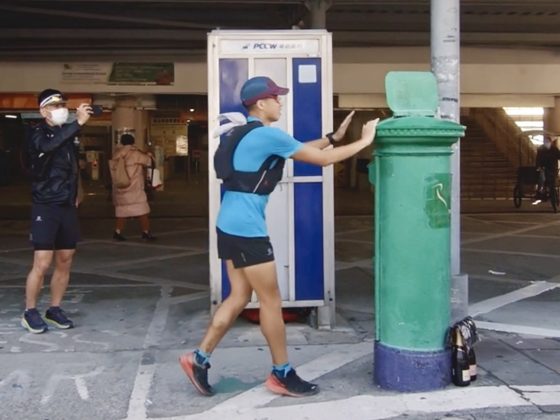
Not Quite Impossible: ‘Four Trails’ Film Review The post Not Quite Impossible: ‘Four Trails’ Film Review appeared first on iRunFar. Almost every running community has its almost-impossible challenge. Some are more daunting than others. Hong Kong hosts the Hong Kong Four Trails Ultra Challenge, which has been excellently chronicled in the film “Four Trails.” Hong Kong is a huge metropolis, but it contains thousands of kilometers of trails. This juxtaposition of civilization and nature makes a perfect backdrop for the Hong Kong Four Trails Ultra Challenge. All images are screenshots from the film “Four Trails.” The challenge was created by local ultrarunner and German expat Andre Blumberg. Blumberg, motivated to get out of a midlife fitness rut, wondered if he could link together Hong Kong’s four major trails in one go. In 2012, he completed the route over four days, covering 298 kilometers (185 miles) and 14,500 meters (47,572 feet) of climbing. While on his own health journey, Andre Blumberg founded the Hong Kong Four Trails Ultra Challenge, which has taken on cult status for Eastern and Western adventure runners. The four trails are the 100-kilometer MacLehose Trail, 78k Wilson Trail, 50k Hong Kong Trail, and 70k Lantau Trail. They each pose unique challenges, including vert, technicality, endless stone stairs, navigation, heat, humidity, and, quite notably, monkeys, all while you time your transitions between each trail via subway, ferry, and car through the bustling metropolis of Hong Kong. In 2013, Blumberg invited other runners to join the challenge, setting a strict 72-hour target. The challenge quickly caught on with the local community, and the finishing goal was soon reduced to 60 hours. The rarity of sub-60-hour finishers stands as a testament to its brutal difficulty — as of 2026, there’ve been 38 finishers. Those who finish the course in under 72 hours earn an equally revered title of “survivor.” Each of these hard-earned honors are traditionally celebrated with a champagne spray upon reaching the iconic green mailbox marking the challenge’s finish. Jacky Leung becomes the first person to break 50 hours in the Hong Kong Four Trails Ultra Challenge. Perhaps humorously for everyone but the participants, over the years, as more runners complete the challenge, Blumberg has found ways to increase the difficulty by limiting runners’ crew to only the start and end of each trail system and by banning poles, music, drop bags, and pacers. Now, after 15 editions, the Hong Kong Four Trails Ultra Challenge has earned a cult status among Eastern and Western adventure runners alike. So, what better way to celebrate than with a feature-length film? “Four Trails,” directed by Robin Lee, follows a select group of runners who took on the race’s 2021 edition. While it is rare for a niche trail-running documentary to make waves at the box office, “Four Trails” broke the mold during its theatrical run in its hometown, grossing an incredible 10 million Hong Kong Dollars ($1.27 million), making it the second-highest-grossing documentary in Hong Kong cinema history. It also earned Lee the Best New Director award at the 2025 Hong Kong Film Awards. Now, some years later, “Four Trails” is streaming for free on Tubi, Fawesome, and Fandango. The film’s long run time allows viewers to connect deeply with Hong Kong’s scenery and city life, as well as the race’s cast of characters. Five runners are followed closely, along with several other featured competitors. During this edition of the race, the seed has been planted to be the first sub-50-hour runner. While several pursue this goal, one man, Jacky Leung, breaks the barrier with an effort that seems both perfectly calculated and emotionally driven. For the women, Nikki Han captures an elusive sub-60-hour finish, incredibly her second time finishing the challenge under 60 hours. Nikki Han is one of few women to have broken 60 hours at the Hong Kong Four Trails Ultra Challenge. During “Four Trails,” she finishes under 60 hours for an incredible second time. The film focuses on some of the back-of-the-pack “survivors” as well. Will Hayward, one of the final survivors, describes his strengths as grit and stubbornness. As someone who went head-to-head with Hayward for the final eight hours of the 2019 Big Dog’s Backyard Ultra, I can attest to this grit. He has no quit, and in “Four Trails,” this is once again on display. Hayward recalls his first ultra at CCC, when the weather was awful, and his friends called to say they’d quit. He admits he didn’t even realize that was an option. Viewers watch runners navigate a stark contrast of environments: scrambling through stony staircases and sweeping ridgelines, then sitting directly on public subway floors and scrambling for food and drinks inside 7-Eleven storefronts the next. The cleanliness of Hong Kong is highlighted, as no level of tiredness would cause this author to sit on the floor of any of those places in New York City, Philadelphia, or any other major U.S. city. Hyun Chan Chung stretches and snacks on the floor of 7-Eleven. Throughout this film, I found myself rooting for these seemingly normal ultrarunners who accomplish superhuman feats. Sarah Pemberton brings me back to my early days of ultrarunning, when curiosity ruled my running and pushed me to find my absolute limits. Reflecting on her grueling journey to become the youngest woman to conquer the challenge, she notes, “You reach a point where you stop running away from the pain — you start running with it. That’s when the trail gives something back.” Call for Comments Have you run the trails of Hong Kong? Are you one of the Hong Kong Four Trails Ultra Challenge finishers? Tell us your story! The stunning landscapes of Hong Kong. Not Quite Impossible: ‘Four Trails’ Film Review by Maggie Guterl. https://www.irunfar.com/not-quite-impossible-four-trails-film-review #hongkong #fourtrails #trailsultra #ultrachallenge #kongtrail #film #quite #impossible #blumberg #andreblumberg #rss #feeds #linksharing #qwibbit

#hongkong #fourtrails #trailsultra #ultrachallenge #kongtrail
iRunFar (Unofficial)
iRunFar (Unofficial) 1d

Wahoo Kickr Run Treadmill Review The post Wahoo Kickr Run Treadmill Review appeared first on iRunFar. The Wahoo Kickr Run. All photos: iRunFar/Craig Randall While indoor running on a treadmill feels like a compromise — mechanical and disconnected from the rhythm and visceral sensations of being outside — the Wahoo Kickr Run ($7,000) takes something that many of us endure when weather or darkness leaves no other option and changes that equation. After six months of near-daily training on the Kickr Run during what had ironically been one of the mildest winters in Colorado history, then into a scorching spring and summer, I’m still using the Kickr several times per week and have declared it as my absolute favorite product — running or otherwise — in several years. There has been one particularly annoying bug I’ve had to live with, detailed below, and I had to have the console completely replaced — due, I think, to my own abuse — but neither has detracted from my love of the product. The quality of the Kickr Run is inarguable, but I’ll acknowledge my own bias about how useful a treadmill is at this stage of my life. Between a full-time job and two very young kids, the window I have for running every day is narrow and unpredictable, and there are few options to schedule a two-hour block around daylight, weather, or other conditions. Having access to the Kickr on a moment’s notice has let me fit real training into a schedule with very little slack in it. The Kickr Run launched in the fall of 2024, and software feature updates, including some exciting recent ones, are the only things that have really changed with the product as it passes its two-year anniversary. Wahoo told me they approached creating the Kickr Run like a tech company, not a fitness company. That framing matters, because it shows up in the details: The core technology was built around innovative ways to make indoor running feel more like outdoor running, including the sensors that make RunFree possible and the way the deck can move laterally. It all adds up to a more engaging and fluid treadmill experience than I’ve seen offered anywhere else. Shop the Wahoo Kickr Run Wahoo Kickr Run First Impressions The Wahoo Kickr Run makes it easy to attach a laptop for entertainment options. Wahoo graciously had the Wahoo Kickr Run delivered to my house with professional installers to assemble it in my garage, where it lives. I chose the garage because I wanted it to be a cold place to train in the winter and to keep the prodigious volume of sweat produced while running from damaging the flooring or furniture inside. All treadmills take up a lot of space, but the Kickr Run particularly so. At 429 pounds, it’s massive compared to most home units. Although not particularly wide compared to other treadmills, its mass and deck sit strikingly high off the floor. The weight immediately translates into stability, and there’s none of the subtle shaking or flex often felt on lighter consumer treadmills. The brand’s approach to the Kickr Run is very similar to what they did with indoor cycling trainers: build something extremely solid, use high-quality materials, and prioritize the physical workout experience over flashy features like screens and displays. In fact, the Kickr Run is intentionally minimal in one important way: It doesn’t include a large built-in display at all. Instead, it has a large flat console platform with two different bungee cords that hold a laptop and a stowable phone or tablet holder. I actually prefer this approach, and I’m not locked into a proprietary ecosystem or forced to stare at whatever software the manufacturer decided to build. One could also — gasp — decline any auxiliary entertainment altogether. If you want to use Zwift or another virtual platform, you can. If you’d rather just watch YouTube or other streaming services, the treadmill works perfectly well that way, too. Personally, I have no interest in creating an avatar of myself and running next to other avatars in some glowing neon digital approximation of reality. I’d much rather watch real races, but the important thing is that the Kickr Run gives you the freedom to choose. It’s the small details that indicate how much thought went into the design, such as how, every time you power the unit on, it automatically levels the deck using the same linear actuators that control grade. My garage floor isn’t perfectly flat, and the treadmill quietly corrects for it before I start running, rather than leaving me to feel a subtle lean for my entire workout. It’s the kind of small thing that adds up to why the whole machine feels so solid underfoot. Wahoo Kickr Run Controls A side view of the Wahoo Kickr Run. Operating the Wahoo Kickr Run requires pairing it with the Wahoo mobile app on your phone or tablet. Thankfully, the process is extremely fast and intuitive. Once connected, you can control speed, incline, the RunFree mode, and lateral tilt simulation. The treadmill includes two genius paddle shifters mounted on the handrails, which are one of the smartest interface decisions Wahoo made. The left paddle adjusts the incline, while the right paddle controls the speed. The speed paddle makes it easy to change pace during intervals without breaking stride, and it has multiple quick-shifting options. Slow or fast paddle taps will change the pace by one or two seconds per mile, up to 30 seconds or even multiple-minute jumps at a time, respectively. The paddles are much more intuitive than buttons, and they’re strong enough to withstand some serious slapping when you’re in a recovery phase after sub-5-minute-mile pace intervals. But here’s where one of the only problems with the Kickr Run occurred for me. From the very beginning of my testing, the incline paddle would “ghost shift” into an easier grade — which I suppose is better than harder, particularly during workouts. For example, after running for about 20 minutes, I might glance down and notice the grade had automatically dropped by half a percent. Not a big deal, but then to return the grade to zero, or whatever I had it at, I’d have to overcorrect by several percent before the Kickr Run would settle back to where I wanted it. For uphill running, the Kickr Run is capable of a 15% grade, a perfectly suitable incline for many runners. It doesn’t tout its uphill extravagance the way NordicTrack does with its X series, including the NordicTrack X32i (review) — capable of a mammoth 40-percent grade. Wahoo is much prouder of the Kickr Run’s ability to provide fast paces — down to 4-minute miles. I find 15% plenty hard, and I’m much more focused on road and track running at this stage in my life, so I take more advantage of the Kickr’s speed capabilities for what I’m training for nowadays: mile, 5k, and 10k races. I’m not clocking thousands of feet of climbing in most of my training sessions, but I am running really fast for me, with a lot of intervals between 4:40- and 5-minute pace, and strides between 4:10 and 4:30 pace. I simply love how running fast feels on the Kickr, and the way slowing down or speeding up is enabled through the paddles. Wahoo Kickr Run RunFree Mode The Wahoo Kickr Run paddles make it easy to adjust speed and incline with simple slaps. One of the most interesting features of the Wahoo Kickr Run is RunFree mode. In this mode, the runner controls the belt’s speed by moving forward or backward on the treadmill instead of setting a specific pace with the speed and grade paddles. Moving forward speeds the belt up, while moving backward slows it down. The treadmill’s sensor recognizes your position on the belt, allowing you to pace your effort naturally through your stride and positioning rather than relying on a single fixed speed. This is particularly useful in Zwift, where the virtual route terrain changes. As the course goes uphill or downhill, the treadmill can automatically adjust its incline to match the terrain, while RunFree lets you respond to those changes by adjusting your position — forward or back — on the machine, and changing its speed. In practice, I found myself using RunFree only occasionally — for warming up, cooling down, or just running loose. For most structured workouts, I preferred locking the treadmill to a fixed pace. One quirk worth knowing about is that because RunFree is driven by your position on the belt, your pace is naturally constrained by how much room you’re willing to use. Drifting all the way to the front to hit a faster split only works if you’re comfortable running near the edge of the deck. Wahoo has since added a RunFree Pace Limit setting that lets you cap your top speed within the mode, which is a nice guardrail if you’re doing a fartlek session and don’t want a moment of enthusiasm to turn into an all-out sprint you didn’t plan for. Wahoo Kickr Run Feel More than any technical feature, the defining quality of the Wahoo Kickr Run is simply how good it feels to run on. Wahoo spent significant time designing the running surface to mimic something closer to hard-packed dirt or a rubberized track rather than the overly cushioned feel common on many treadmills. The result is a deck that feels firm, responsive, and efficient. This is especially noticeable when wearing modern carbon-plated racing shoes. On softer treadmills, a carbon-plated shoe often doesn’t fully engage, but on the Kickr Run, I can actually feel the plate return energy much like it does on pavement. There’s still a thin cushioning layer under the deck to absorb impact, but the overall experience is far closer to outdoor running than most treadmills I’ve used. Wahoo Kickr Run Watch Integration The Wahoo Kickr Run console only shows incline and speed. Structured workouts on the Wahoo Kickr Run are natively supported through Zwift and TrainingPeaks. I don’t currently use either, so my workaround has been pairing the treadmill directly to my Garmin watch and loading the day’s workout there. Pace and grade data get sent straight to the watch, and my workouts run on the treadmill automatically without needing another app in the loop. The Foot Pod pairing runs over Bluetooth, and I don’t believe this Garmin-Kickr connection was ever officially publicized. It also works with Suunto’s Foot Pod sensor accessory profile but not with Amazfit’s. The connection transfers speed and distance to the watch with near-perfect fidelity, though it lags slightly behind real-time pace changes. Still, this is an obvious improvement over using a GPS watch in “indoor run” mode without pairing directly to a treadmill, like we’ve all done for years, and only getting a very rough approximation of pace and distance, measured only by the watch’s accelerometer and guessing the distance and pace from arm swing and cadence. To make watch measurement on the Kickr Run more accurate and trustworthy, Coros and Wahoo announced an official partnership where most Coros watches (including the Pace 3, Pace 4, Pace 4 Pro (review), Pace Pro, Nomad, Apex 2, Apex 2 Pro, Apex 4, and Vertix 2/2S (review)) can pair directly to the Kickr Run over Bluetooth, receiving live pace, distance, grade, and ground contact time straight from the treadmill. This integration streamlines the process of getting all of your indoor and outdoor running data in one spot. Prior to this integration, you either had to manually add treadmill workouts to your watch’s ecosystem or use a third-party app like Strava to collate all your data. Wahoo and Coros have also built a two-way sync between their apps, so a run logged on either device’s ecosystem shows up in both your Wahoo and Coros training history automatically. It’s a meaningful expansion for anyone who’s built their training life around a Coros watch but wants the Kickr Run’s running feel: You’re no longer choosing between the two ecosystems, just adding one to the other. Wahoo also just introduced a new fitness methodology called Three Dimensional Pace (3DP), which, because of the two-way sync between Wahoo and Coros, will factor both your indoor and outdoor runs into the profile it builds. I’ve been testing 3DP and really like how it can identify weaknesses and areas to improve — mine, for instance, is my maximum aerobic pace, or MAP. It’s worth flagging that workouts built on TrainingPeaks will port over to the treadmill, but only if pace targets are set on the workout itself — grade-only or effort-based sessions don’t translate the same way. Also, there’s no workout builder in the Wahoo app itself, so you’re still authoring structured sessions elsewhere — like the Coros Training Hub — and importing them, rather than building intervals directly in the treadmill’s interface. Training With the Wahoo Kickr Run For interval sessions and tempo runs, the controlled environment of the Wahoo Kickr Run is a major advantage. The terrain where I live is constantly rolling — climbing or descending — and it’s difficult to hold a consistent pace for extended efforts when running outdoors. The treadmill removes that variability and lets me focus purely on the cardiovascular effort — useful for training toward a specific, predictable course distance, like a 5k or 10k. This is where the watch integrations earn their keep. I load the day’s session onto my watch beforehand, and the workout advances automatically, rep to rep, with an alert before each new interval — just as it would if a coach were standing trackside with a stopwatch. I still set the pace and incline myself with the paddles. For someone whose training windows are as tight as mine, cutting out that friction is the difference between actually doing the workout as written and quietly talking myself into an easier version of it or deviating from the plan. Wahoo Kickr Run Noise and Drawbacks The Wahoo Kickr Run set at an incline. Another pleasant surprise is how quiet the Wahoo Kickr Run is. After spending the last twenty years testing indoor cycling trainers — often in small apartments with very close neighbors — this treadmill is relatively discreet. At steady speeds, it produces little more than a low mechanical hum. Compared to many high-end trainers from a decade ago, it’s practically silent. The Kickr Run is impressive, but there are a few limitations. Price: At $7,000, this is a major investment, and the price puts it well above most consumer treadmills, including other smart models with built-in touchscreens. This isn’t an impulse purchase; it’s a decision you make the way you’d decide to build out a home gym. Space and weight: At over 400 pounds with no folding mechanism, it requires a dedicated space. There’s no tucking this against a wall between sessions or wheeling it into a closet. Wherever you put it is where it lives. Electrical requirements: The treadmill needs a dedicated 120-volt, 15- or 20-amp circuit, and Wahoo specifies an outlet and breaker without GFCI protection, which many garage and kitchen circuits have. If your garage or workout space doesn’t already have one, that’s an added electrician’s visit to budget for before the treadmill even arrives. Minimal onboard interface: While I personally like the screen-free approach, some users may prefer a built-in display. The console itself only shows pace and incline. For time, distance, or anything else, you’re reaching for the app on whatever device you’ve propped up on the tray. Reliability: One day, when I powered it up to start a run, the console where this data is displayed suddenly showed an error message. Through weeks of troubleshooting with Wahoo’s tech support — trying a variety of resets and replacing the red emergency cord — Wahoo offered to replace the main console. A technician arrived and replaced it, but suggested that some key wiring in the original console was loose. It occurred to me immediately that perhaps I was responsible. The treadmill is in my garage as close to the house as possible, but I park my car right in front of it, usually creeping as closely as I can to fit. On several occasions, I’ve accidentally tapped the Kickr Run with my car’s bumper right on the side where the technician noted the loose connection. Guilty as charged. Wahoo’s customer service throughout this nearly month-long p https://www.irunfar.com/wahoo-kickr-run-treadmill-review #kickrrun #wahookickr #runfirst #craigrandall #rss #feeds #linksharing #qwibbit

#kickrrun #wahookickr #runfirst #craigrandall #rss
iRunFar (Unofficial)
iRunFar (Unofficial) 2d

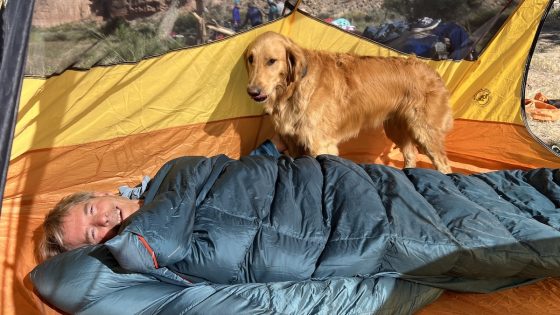
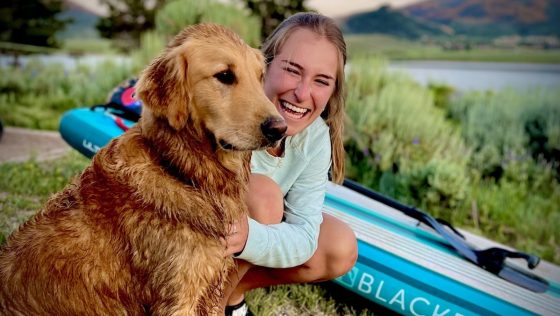
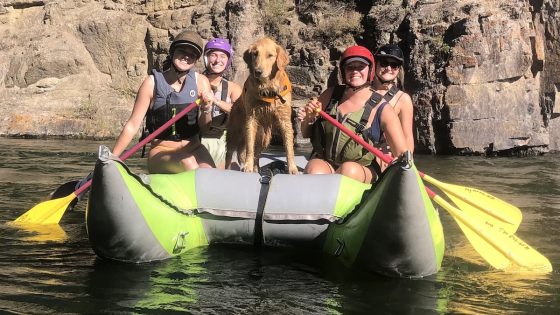
How To Fuel Your Adventure Dog The post How To Fuel Your Adventure Dog appeared first on iRunFar. The author and Banjo on an overnight raft trip on the Colorado River, testing out Instant Fresh. All photos courtesy of Eugene Buchanan It’s easy to spoil a good dog. Especially one that enters your life at the right time. Our 3-year-old golden retriever Banjo (yes, that’s really his name-o) helped my family heal from a tragedy. In 2022, our daughter Brooke was in an overseas car accident that killed her boyfriend and left her in the hospital. Our tight-knit community of Steamboat Springs, Colorado, raised enough “Banjo Bucks” to buy her a puppy. Though she eventually moved back to Southern California, she can only keep Banjo there for a few months out of the year. That’s a boon for an active dog, who must now split time between a beach cabana in Encinitas and our ski chalet in the Colorado high country. Fortunately, he has good energy levels to match regular outdoor adventures, happily veering off-trail (until he realizes how long the hike might be). A shiny golden coat reflects overall health — not to mention a likable, happy-go-lucky temperament (rolling over for any dog he meets), and a curious yet regal nose that evokes “whudda-good-looking dog” comments. Weighing 62 pounds, he gets a cup and a half of dry food twice per day, for a total of about 1,450 calories. About that food: Though my wife meticulously splits his kibble with fresh, perishable food, Banjo’s diet is not entirely consistent — especially in the summer when he goes from outing to outing. So it was easy to convince her to try the new Instant Fresh line from The Farmer’s Dog. It’s shelf-stable, human-grade food that comes dry in the bag, and transforms into a freshly made meal when you add water. She bought into the real, minimally processed ingredients, and so did Banjo — with all four of their eyes widening when it miraculously morphed from dry food into wet. For a couple of summer weeks of peak mountain-town fun, we converted to the ever-packable, just-add-water formula, whose beauty is that it’s dry food that doesn’t stay dry. Here’s how the shelf-stable, human-grade food fueled Banjo’s unplugged summer adventures well beyond refrigeration, from backpacking and rafting to standup paddling and swimming in the Yampa River. We monitored energy levels, digestion, sleep, temperament, anxiety, and more to observe the impacts of switching to Instant Fresh. Chompability: On the input side, how did Banjo like the food? First, we had to do the obligatory (and recommended) transition: Start with 25% Instant Fresh before gradually increasing the quantity. Banjo was all in, licking the bowl so clean it clanked against the wall. Two more tail-wagging testimonials: When he tried old and new options side by side, Banjo gave each a quick sniff before immediately choosing Instant Fresh. When we tried to go back to his old food, he gave my wife the golden stare-down. He especially loved the just-add-water meals on our overnight adventure outings. Conversion: The way that Instant Fresh transforms was a main selling point for us, for good reason. It comes dry, but doesn’t stay that way. You just mix it with equal parts water, and it turns as moist as your mutt’s nose. That makes it easy to pack along for overnight adventures, like our backpack/packraft-to-an-island trip to Jonah Lake, high in the Colorado mountains. I simply measured and put the appropriate amount in a ziplock (and gave Banjo the beers to carry). Come mealtime, I mixed it one-to-one with water in my camp bowl, and he was ecstatic. He truly seemed happy about eating it, flashing a wry smile as if we were sharing a secret. Later, on an overnight raft trip on the Colorado River, weight wasn’t the issue, but space was. No problem: The powder is as compact as dog food comes, and two pounds of dry food makes six pounds of freshly made meals. You pack it dry, he eats it wet. Energy Level: As for energy levels, Banjo seemed pretty perky whenever we served it, zipping this way and that, nose down and tail a-wagging, like a dog unleashed (which he was). Whether that was because he loved it so much or the nutrients packed into its healthy, human-grade formula, I wasn’t sure. But his energy level was high the whole time, from running circles around us to swimming after sticks until he plopped down in the tent and probably dreamed about squirrels. Constitution: As for his poops? (I knew you’d ask.) As much as I try to make that my wife or daughter’s department, they sure looked great to me; at least the ones I squished into those annoying little plastic bags. And our “Dog Poop” bin that I haul down to the curb every weekend was the same weight and consistency as always (and Banjo is to blame-o). Conclusion: We plan to pack and integrate Instant Fresh into Banjo’s ever-active life, from California to Colorado, especially with any overnight trips. It’s what he now sees as his reward for another full dog-day afternoon. [Editor’s Note: This article is sponsored by The Farmer’s Dog. Thank you to The Farmer’s Dog for its sponsorship of iRunFar, which helps to make iRunFar happen and free for all to enjoy. Learn more about our sponsored articles.] How To Fuel Your Adventure Dog by Sponsored Post. https://www.irunfar.com/how-to-fuel-your-adventure-dog #instantfresh #banjo #dog #eugenebuchanan #coloradoriver #steamboatsprings #especially #southerncalifornia #yampariver #though #rss #feeds #linksharing #qwibbit

#instantfresh #banjo #dog #eugenebuchanan #coloradoriver
iRunFar (Unofficial)
iRunFar (Unofficial) 2d

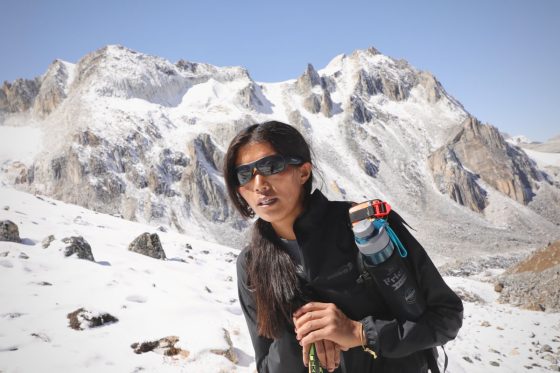
2026 Snowman Race, Won By Pema Choki and Jamphel Choda, Highlights Bhutan’s Ongoing Climate Crisis The post 2026 Snowman Race, Won By Pema Choki and Jamphel Choda, Highlights Bhutan’s Ongoing Climate Crisis appeared first on iRunFar. After five days of racing through the Bhutanese Himalaya, along the mythical Snowman Trek route, Bhutanese runners Pema Choki and Jamphel Choda took home the victories in the 2026 Snowman Race. Pema Choki climbs up to the course high point at Gophu La during the 2024 Snowman Race. She took second in 2024 and won the 2026 edition. Photo: iRunFar/Meghan Hicks The five-day stage race covered 185 kilometers (115 miles) through Bhutan’s rugged highlands, starting in the northwest village of Laya on October 24, and finishing in the town of Bumthang on October 28. The race covered the eastern two-thirds of the 300-kilometer (217 miles) Snowman Trek, a route linking historic trails used by the people of Bhutan’s highlands. The small event, originally conceived by His Majesty the King of Bhutan, is more than just a race; it’s an opportunity for Bhutan, a carbon-negative country, to raise awareness about the climate crisis and its disastrous effects on the region. The Bhutanese highlands are among the world’s most climate-fragile landscapes, and the race bears witness not only to the raw beauty of the mountains, but also to the real-life consequences of climate change. The course, with an average altitude of over 4,267 meters (14,000 feet) and mountain passes of up to 5,470 meters (17,900 feet), is both spectacular and difficult. Of the 17 athletes who started the race, only 12 made it to the finish. The Bhutanese Himalaya viewed from the Snowman Trek. Photo: iRunFar/Meghan Hicks Since its inaugural edition in 2022, the race has been held every two years, inviting a small field of Bhutanese and international runners. This year, six Bhutanese and 11 international athletes, from the U.S., India, Italy, New Zealand, South Africa, and Slovakia, toed the start line. The arrival of the runners at the Wangduechhoeling Palace Ground in Bumthang on the final day of racing coincides with the Bhutan Climate Action Conclave, a day dedicated to discussing climate challenges and climate action. Bhutan’s Climate Crisis Bhutan, with a population of around 803,400, is a landlocked Himalayan kingdom nestled in the mountains between India and the Tibetan Plateau. Bhutan has strict green policies, and with its massive forests covering over 70% of the country, and clean hydropower systems providing almost all of the country’s electricity, it is one of the few carbon-negative countries in the world. However, despite these policies, the country is disproportionately affected by climate change, with rising temperatures, shifting precipitation patterns, and glacial retreat having a disastrous effect, including glacial lake outburst floods, landslides, and unseasonal rains. The Bhutanese highlands are the most climate-sensitive areas in the world. Photo: iRunFar/Meghan Hicks According to the Bhutan Glacier Inventory, the country’s total glacier-covered area shrank by about 9.2% between 2016 and 2025, with 27 glaciers disappearing completely. This reduction puts pressure on communities that rely on the glaciers for drinking water and crop irrigation. The agricultural industry, which employs more than 40% of Bhutanese workers, is already adapting due to these changes and will struggle if this trend continues. The future of Bhutan, and the rest of the Himalaya, relies on the rest of the world taking notice, and the Snowman Race is a cry for help. If you’d like to learn more, read the in-depth narrative by iRunFar’s own Meghan Hicks, who ran the inaugural edition of the Snowman Race in 2022. The view from the third camp during the five-day 2026 Snowman Race. Photo: Snowman Race/Luis Escobar 2026 Snowman Race Both the women’s and men’s races were dominated by Bhutanese runners, with the home country taking the top two spots on each of the podiums. Pema Choki of Bhutan won the women’s race in 29:56:32, winning four of the five stages in the process. Choki also ran in the 2024 edition of the race, finishing second. Dawa Chozom, also of Bhutan, crossed the line in second place in 31:41:15, while Rachel Entrekin (U.S.) took third position, finishing in 31:52:07. Pema Choki, women’s winner of the 2026 Snowman Race, hikes through the snow near Gophu La during Stage 3 of the 2024 edition. Photo: iRunFar/Meghan Hicks On the men’s side, a close battle for the lead early in the race saw Bhutanese runners Jamphel Choda and Tashi Norbu finish stride for stride in the first two stages. Choda pulled away on the third day and maintained his lead over the final two stages to win in 26:06:20. Jamphel Choda, 2026 Snowman Race men’s champion. Photo: Snowman Race/Luis Escobar Norbu finished second in 26:31:39, his second co silver medal position in the race. Cody Lind (U.S.) crossed the line in third place in 28:31:39, the same position he finished in the 2024 race. 2026 Snowman Race Results Women Pema Choki (Bhutan) – 29:56:32 Dawa Chozom (Bhutan) – 31:41:15 Rachel Entrekin (U.S.) – 31:52:07 Sangay Yuden (Bhutan) – 35:36:08 Olivia Amber (U.S.) – 37:37:44 Rachel Entrekin and Luke Nelson finishing the 2026 Snowman Race. Photo: Snowman Race/Luis Escobar Men Jamphel Choda (Bhutan) – 26:06:20 Tashi Norbu (Bhutan) – 26:31:39 Cody Lind (U.S.) – 28:35:15 Luke Nelson (U.S.) – 31:59:25 Choki Dorji (Bhutan) – 32:17:29 More information and live tracking. The start of Stage 2 of the 2026 Snowman Race. Photo: Snowman Race/Luis Escobar 2026 Snowman Race, Won By Pema Choki and Jamphel Choda, Highlights Bhutan’s Ongoing Climate Crisis by Deki Fourcin. https://www.irunfar.com/2026-snowman-race-results-bhutan-climate-crisis #pemachoki #jamphelchoda #snowmanrace #bhutan #climatecrisis #meghanhicks #bhutanesehimalaya #won #trek #october #rss #feeds #linksharing #qwibbit

#pemachoki #jamphelchoda #snowmanrace #bhutan #climatecrisis
iRunFar (Unofficial)
iRunFar (Unofficial) 2d

Trail Running Saves the World The post Trail Running Saves the World appeared first on iRunFar. [Editor’s Note: This article was written by guest contributor Vic Thasiah, a trail runner, professor of environmental studies and religion, and the founder and board president of the nonprofit Runners for Public Lands, who lives and runs trails in Santa Barbara, California, and beyond.] A couple of years ago, I found myself inside a dragon. My daughter and I were wandering through “Be Water, My Friend” (we were actually rain-soaked at the time), an exhibit on Bruce Lee at Seattle’s Wing Luke Museum, when we noticed a number of dragons dancing in the next room. They were the long, multi-person costumes familiar from Chinese New Year parades — where dragons symbolize transformation — and were there for visitors to try on. So I ducked under a dragon’s head — red, green, and gold, with bulging eyes — and instinctively danced side to side, up and down, to and fro, feeling the push and pull of the others in the belly of the beast. I didn’t realize it then, but being inside that dragon distilled an essential feature of our lives: finding ourselves moving with others through major transformations and figuring out together what’s fitting for us to do. Moving together through life transformations is part of being human. Photo: iRunFar/Eszter Horanyi Pressures on Public Lands Trail running is inside one of those monumental transformations now. The scale and pace of change in public-land law and policy are head-spinning. On one side, public lands face mounting pressure from drilling, mining, logging, road-building, and other forms of industrialization. On the other, the agencies charged with managing them face incapacitation as expertise and staffing decline — the people needed to keep research current (historical, ecological, and climatic), make informed decisions, maintain campgrounds and trails, and engage communities that depend on these landscapes. These bureaucratic changes eventually become obvious and felt. The trailhead bathroom stays locked. The downed tree doesn’t get cleared. The washed-out switchback doesn’t get repaired. No one answers the phone at the ranger station. The concern is not just that public lands become harder to access. As these institutions weaken, public confidence and support for them can decline as well. The existence and care of public lands have always relied on collective action. Photo: iRunFar/Eszter Horanyi These lands and waters — our common inheritance — have always depended on collective action: laws protecting them, agencies managing them, organizations advocating for them, volunteers tending them, and, above all, the wondrous ecosystems continually renewing themselves. Laws and policies are only a part of this, but they’re a really consequential part. The Public Lands Rule, which integrated conservation and restoration into public-land management, has been rescinded. And the Roadless Rule, which has largely protected more than 58 million acres of national forest from roads and logging, has been proposed for rescission. Some of the most sublime, life-giving places we run are within these roadless areas. So, trail runners, one passionate and proliferating part of this larger collective, face a question: How will we save them? Becoming Part of a Place Before answering, it’s worth taking stock of what we’ve inherited. Public lands provide trail runners with prodigious benefits: beauty and solitude, clean water and wildlife, deep histories, places to play, and places to suffer happily for hours. But the inheritance is complicated by problematic legacies. Many of these lands were seized from Native nations through violence and chicanery. For generations, many other communities were excluded from them by law, custom, or both. These histories haven’t been resolved, and they mean that we don’t all inherit these places in the same way or carry the same responsibilities toward them. What has come into our care, then, is something of extraordinary wonder and worth entangled with the unfinished aftermaths of dispossession and exclusion. We’ve received both a gift and a duty. What will we do with our common inheritance? What will we pass on? What is our duty to public lands? Photo: iRunFar/Eszter Horanyi A good place to start is the trail outside our door. In her bestselling book, “Braiding Sweetgrass,” Robin Wall Kimmerer describes what it means to become “naturalized to place,” and her definition could have been written just for trail runners: “to live as if this is the land that feeds you, as if these are the streams from which you drink, that build your body and fill your spirit 
 Here you will give your gifts and meet your responsibilities.” What would it mean to run this way? It might begin by becoming more curious about the ground we cover and whose homeland we’re in. Who manages this trail — a city or county, a state park, the Forest Service, the Bureau of Land Management, a land conservancy, a Native nation, or a tribal organization? And what does its management plan say? When is the next opportunity for public comment? What laws and policies determine what happens to this landscape? Who built this stretch of trail? Who maintains it, and when is their next workday? What stories — climatic, geological, hydrological, ecological, Indigenous, political, economic, recreational — are shaping this land, and what stories does our own running community tell about it? Knowing these things is one part of becoming naturalized to place. The other is acting as those who belong because we have accepted some responsibility for it. That can mean showing up for a trail workday, submitting a public comment, calling the office of an elected official, supporting organizations that advocate for and tend public lands, or finding other ways to contribute our labor, voice, money, or time. Runners for Public Lands works to raise public lands advocacy among trail runners. Photo courtesy of Runners for Public Lands. Drawing on my own family heritage, I think of this as becoming interior to a landscape. It’s expected, on any given run, to experience a place from the outside — as surface and scenery, the topographies of our out-and-backs and loops. To run interior to a landscape means the opposite of what we might think. We become interior to it by allowing it to become interior to us: watching clouds alter the sky and light, observing creek levels rise and fall, noticing when plants and trees turn, catching where an old burn scar is greening back. Over time, these details accumulate. A landscape that was once simply the setting for our running becomes something we’re a part of through repetition and attention, its changes registered in us as significantly or subtly as our own. Guides to Inhabiting the Outdoors When I moved to Santa Barbara this past summer, two companions showed me what it’s like to run this way. On days when I wasn’t out with the local trail-running community and my new friends, I ran, in a sense, with Tao Qian (365 to 427 C.E.) and Xie Lingyun (385 to 433 C.E.), two of China’s most celebrated nature poets and foundational figures in the Mountains-and-Rivers tradition. Both were utterly absorbed by landscapes, from the humble and everyday to the raw and dramatic, and both wrote about what happens when we do more than simply move through them — when we become immersed in their transformations. I’ve come to think of them as a kind of poetic U.S. Department of the Interior: guides to inhabiting the outdoors from the inside out. The dramatic landscapes of the Wind River Range in Wyoming. Photo: Hannah Green Here is Qian on a fall day in mountains that I can’t help imagining along the Santa Ynez Range: “Now, / white autumn is clear and cold. Dew frozen, / drifting mists gone, bottomless heavens / open over this vast landscape of clarity, / and mountains stretch away, their towering / peaks an unearthly treasure of distance. / These fragrant woodland chrysanthemums / ablaze, green pines lining the clifftops: / isn’t this the immaculate heart of beauty, / this frost-deepened austerity?
taken by quiet, I can / linger this exquisite moon out to the end.” These poets were, no doubt, privileged men with plenty of time on their hands. But what they practiced was a kind of attuned and responsive idleness, a willingness to be caught up in the changes happening around and within them. Any runner who tries to fully take in the moment — encountering the stare of wildlife, cooling off under a capacious canopy, splashing through a meandering stream, watching waves of mountain ridges recede toward the horizon — knows the feeling. Lingyun goes further: Mountains and rivers restore us. “I packed some provisions
 / Following the winding path, I climbed to my hidden abode. / As I walked toward the river’s source, the path winds further away; / When I reached the peak, my emotions were not yet exhausted
The stream wound about, its water often lost from view. / The forest stretched far, crags ever more dense
I walked until evening, having stayed from dawn to dusk. / Even the most secluded spots have all become familiar. / The mending of one’s nature emerges from here.” This reads like a description of a long day out: food and fluids in our vest, it’s first light, following a drainage up, finding the summit, it’s more than we can fathom, and finally, it’s twilight, and we’ve got a feel for every bend on the way down. Becoming immersed in the landscape. Photo: Hannah Green In “My Grandmother’s Hands,” trauma expert Resmaa Menakem conveys a similar kind of mending: “I often tell people that resilience is not a thing or an attribute, but a flow. It moves through the body, and between multiple bodies when they are harmonized. It is neither built nor developed; it is taken in and expressed as part of a larger relationship with a family, a group, a community, or the world at large.” Trail runners know something about this, too. Anyone who has settled into a shared rhythm with friends — climbing together, traversing together, descending together, conversation coming and going, bodies adjusting almost unconsciously to one another — has felt this flow. Lingyun proposes that the land can be one of these bodies. Observing Changes in Trail Running Perhaps this all matters especially now because public lands are not the only thing changing. Trail running itself is undergoing a major transformation. The sport has come of age. What began as a relatively loose, self-described eccentric community organized around shared practices, unwritten rules, and a certain innocence has become a global sport — one consequential enough to have to decide what it stands for. We are too big to rely solely on assumed norms or the hope that everything will somehow work itself out. You can hear that maturation in the questions trail runners are asking. Can ordinary people still afford to race? What should professionalization look like? What happens to small community races when large companies buy events? How is commercialization affecting what it feels like to be outside? How are wildfire smoke and extreme heat redirecting where and when we run? How are watches, apps, and data influencing our experience of our bodies and the land? Who feels accepted as a trail runner, and who doesn’t quite yet? Every one of these questions matters. But almost all of them play out on the same ground. This ground is our public lands. Careth Arnold running on public lands during the 2026 Hardrock 100. Photo: iRunFar/Eszter Horanyi The Chinese nature poets teach us to pay attention to what I call the forces, frames, flows, and folds of our lives. Lingyun writes, “Gaze deep into wind and cloud / and you know this realm utterly.” Qian adds, “Vast and majestic, mountains embrace your shadow; / broad and deep, rivers harbor your voice.” The forces are the land’s generative and transformative powers — clouds gathering against a ridge, rock becoming soil, the chaparral resprouting after fire. The frames are the forms that orient us: mountains, canyons, coastlines, the terrain that shapes our routes and our days. The flows are the movements that connect everything: rivers and creeks, weather and fire, animals and seeds, our own bodies moving through it all. And the folds are the times and places of stillness, the valleys, at once empty and fecund. Nothing here is static. Everything is becoming something else. Today, these natural forces, frames, flows, and folds are inseparable from another set of transformations: changing laws, policies, institutions, economies, technologies, climates, and cultures that will surely determine what these lands and waters — and our lives — will become. In It Together Which brings me back to the dragon. We’re inside it now. Many bodies assembled together. Powerful forces are pushing and pulling, and none of us gets to steer the whole thing. But our movements still matter. The question is whether we can become attentive enough to what is changing, responsive enough to the places sustaining us, and practiced enough at moving together to help shape what comes next. Maybe that’s too much to ask of running. But running has already taught many of us how to be present, how to be there for each other, how to love particular places, and how to keep going when things get hard. What this moment asks is that we level up our love for public lands: know the places where we run, become interior to them, show up when they need us, and lend our bodies, voices, votes, money, and time to their care. Stewardship, then, isn’t something we add to trail running. It becomes part of what trail running is. Through running, we can inhabit a changing world differently — noticing the transformations, figuring out what’s fitting for us to do, and moving together when it matters. This might be how trail running saves the world. Call for Comments Do you have a way to inhabit a place? How does running help you feel part of a landscape? Trail Running Saves the World by Guest Writer. https://www.irunfar.com/trail-running-saves-the-world #trailrunning #publiclands #santabarbara #victhasiah #eszterhoranyi #lukemuseum #brucelee #wingluke #chinesenew #newyear #rss #feeds #linksharing #qwibbit

#trailrunning #publiclands #santabarbara #victhasiah #eszterhoranyi
iRunFar (Unofficial)
iRunFar (Unofficial) 3d

Ask the Pro: Estimating Race Times, Sleep Deprivation, and Increasing Volume Post-Injury The post Ask the Pro: Estimating Race Times, Sleep Deprivation, and Increasing Volume Post-Injury appeared first on iRunFar. In this monthly article series, ultrarunner, race director, and coach Gabe Joyes answers reader questions about anything and everything running. Learn more about this ask-the-athlete column, and be sure to fill out the form below to submit your questions for a future article! In this article, Gabe answers questions about estimating your goal races times, how he handled sleep deprivation during the Mammoth 200 Mile, and increasing volume after an injury. Gabe’s Tip of the Month When you round up your crew and pacers for next year’s big races, be sure to be thoughtful about who you invite to join you for the adventure and be an integral part of your team. Make sure they are as excited to support you as you are to support them! Surround yourself with good-natured, high-quality, and fun individuals who are well aligned with your goals, so that no matter the race outcome, everyone can have a positive and memorable experience. Also, buy them all dinner, or at least ice cream. Gabe Joyes with his crew after winning the 2026 Mammoth 200 Mile. Photo courtesy of Gabe Joyes. Calculating Goal Race Times How do you come up with a goal finishing time for a race? -Vanessa Meteorologists attempt to predict the future by looking at certain atmospheric conditions, comparing those given conditions with similar historic weather, and running it all through a model. Then boom, there is your weather forecast. Are they always right? Well, no, but they are more frequently correct than most folks give them credit for, as we just do not really notice until they are wrong. Predicting your finishing time for a race is actually kind of similar. First, gather all the information you know about yourself, like how your fitness compares to previous years, how you tend to perform in races that are similar to the one you are preparing for in terms of terrain, climate, distance, and so on. If you really want to do some race results lurking, you can also look at previous racers that you have competed against who have also finished your goal race, and see if you can estimate your own performance potential based on that. Once you have all those data points, just put them into a supercomputer that is refined for ultrarunning models, and there you go! However, I’m not aware of that supercomputer or modeling software, so you might just have to take in all that information and trust your gut to make an estimate. Just remember, you are literally attempting to predict the future, and we humans are not always the best at that. I think it can be most helpful to have a range of predicted finishing times and splits that correspond with them, depending on what kind of race day you are having. So perhaps for a 50-mile race, you have splits for a 12-hour finish, but you also plan ahead for the possibility of an 11-hour finish and also a 13-hour finish. As race day plays out, remember that these are just predictions and that actual times can vary widely. You might start the race on your 13-hour splits, but end up with that 11-hour finish. Run without judgment toward yourself and remember that the best way to know your finishing time is to just cross the finish line and then look at a clock. Was Jenn Lichter estimating this course-record time for her 2026 Western States 100? Photo: iRunFar/Meghan Hicks Running Pace in the Dark I have noticed that when it’s dark during my autumn and winter runs, my pace is about 15 to 20 seconds slower per kilometer than at the same perceived effort in the daylight. Is it natural? How do you overcome that? -Ann I think you are doing pretty well, Ann, because I find that I’m even slower than that in the dark! It is simply more difficult for our brains to process and adapt to what is in front of us when there is less light available for our eyes. Really bright headlamps do help, and some headlamps have gotten amazingly or obnoxiously bright — depending on your perspective — over the past few years. However, artificial lighting will cast shadows from rocks, leaves, or even your running partner, which still messes with our eyes and brain’s ability to process the trail. If it is dark out, you are probably up and running at either the beginning or the end of the day, and I’m convinced there is something about early morning or evening that just slows our brains down a bit as well. We are often hyper aware of our surroundings, hear every snap of a twig in the woods, and just have a prehistoric part of our noggins switched on. Maybe we are just a bit sleepy too. I think the most important obstacle to overcome here might be accepting that sometimes there are moments, and certain times of year, where it is just ok to slow down too! Running in the dark is slower for most people. Photo: iRunFar/Eszter Horanyi Differences Between 100-Mile and 200-Mile Races How was running the Mammoth 200 Mile different from 100-mile races? To my inexperienced eye, the biggest difference is sleep deprivation. How did you handle that? What made you decide where to take a nap? -Claude Kind of different, but also kind of the same, as really, they are both just incredibly long runs! Besides sleep, the other most significant difference was managing pace and intensity. During 100-miles races, I will push and pull the pace a bit as it makes sense. During the Mammoth 200 Mile, I basically ran at the exact same intensity the entire time. I never “made a move” or tried to stick with someone; I just settled into my own comfortable cruiser pace and held on for dear life. But from my singular experience at the 200-mile distance, the sleep game in 200 milers is really different from 100 milers. I have had just a couple of experiences running out-of-my-mind tired with wild and interactive hallucinations, and frankly, I just do not find that pleasant, and it sure makes for very slow running. My sleep plan at the Mammoth 200 Mile was structured around taking relatively frequent, yet short-duration naps to keep me from basically going nuts. I also planned sleep around times that I typically get sleepy in daily life, or have in past big runs. For me, that meant aiming for around 4 a.m. of the first night, 3 p.m. of the second afternoon, and 11 p.m. of the second night. Your author taking a quick 15-minute just nap during the Mammoth 200 just as the sun was going down. Photo courtesy of Gabe Joyes. I ended up with one more quick nap at about 4 a.m. on the second night as well. When I started to feel sleepy, I tried not to fight it for very long because experience suggests that the sleep monster always wins. A couple of times, I practically held my eyelids open until I got to the next aid station, where I knew my crew had a sleeping bag ready to go for me. Only once did I sleep on the side of the trail when I noticed that I was starting to not think clearly, and I still had a ways to go until my next crew stop. Hallucinations and all the crazy stuff would have come next, so instead, I plopped down in a wonderful bed of pine needles underneath a grand old evergreen in the heat of the afternoon. I set a timer on my watch for six minutes — I have no idea how I decided on that duration — drifted off into blissful sleep, and felt much better for several hours afterward. Another trick I used is not quite a sleep strategy but is more about managing eyeball fatigue. Sometimes, when hiking uphill at night, I just couldn’t keep my eyes open, even though my brain felt alert enough. In these moments, I’d stop and sit on a rock, turn off my headlamp, cover my eyes with my hands, and ask my pacer to set a one-minute timer. We sit in silence until the alarm goes off, and then up we go again right away. No sleep happens with this intervention, but it gives the eyes a break from straining and processing so much information, which is really helpful. Increasing Volume After an Injury I have a history of Achilles tendinopathy in both legs that I’ve dealt with for the past several years. I’ve been able to string together a pain-free 2026, but have limited myself to at least one day of rest between runs and limited volume. How can I progress back into back-to-back days and increased volume without aggravating the injury? – Mike Well done, Mike! Way to take a moderate approach to keep things healthy and fun. I am not a physical therapist, so my first suggestion would be to go see a physical therapist and see if a professional can diagnose the root cause of your pain. Many factors could be causing your past Achilles tendiopathy, ranging from ramping up your training volume more quickly than your body is ready for, or running form that perhaps does not utilize the glute muscles and the posterior chain quite enough. which means the Achilles tendon picks up the slack and gets overloaded. There are certain stride strategies that can help with Achilles pain. It also could be something as simple as too many under-fueled runs, which lead to tired running with less-than-ideal muscle engagement, once again leaving the Achilles doing more than their fair share. Regardless of the root cause of the issue, we have to proceed with extreme caution and a real attention to detail. As you slowly and carefully add more volume, be sure to do all the things that help reduce Achilles pain, and pay close attention to how you feel during runs, immediately after, and the next day. Does flat running cause more problems? Running faster? Steeper? It’s all unique to you, so pay close attention. You probably already know this, but tendon pain is not typically the sort of injury you can “run off,” and continuing to run with any feeling of heat or pain is definitely not a good idea. Ultimately, we all have a limit to the training volume we can handle, and for the moment, your Achilles might be limiting your maximum volume. Courtney Dauwalter running with smooth form and plenty of energy at the 2026 Hardrock 100. Photo: iRunFar/Gabe Joyes Submit Your Questions Send us your questions! Use the form below or send us a message on Instagram, and we’ll consider your questions for future articles. Call for Comments What are your thoughts on Gabe’s answers this month? What pressing running questions have you always wanted answers to? Ask the Pro: Estimating Race Times, Sleep Deprivation, and Increasing Volume Post-Injury by Gabe Joyes. https://www.irunfar.com/ask-the-pro-estimating-race-times-sleep-deprivation-and-increasing-volume-post-injury #increasingvolume #sleepdeprivation #race #gabejoyes #racetimes #goalrace #mile #mammoth #rss #feeds #linksharing #qwibbit
#increasingvolume #sleepdeprivation #race #gabejoyes #racetimes
iRunFar (Unofficial)
iRunFar (Unofficial) 4d

2026 Update: The Best Gifts For Runners The post 2026 Update: The Best Gifts For Runners appeared first on iRunFar. Runners can be notoriously difficult to buy gifts for. Most are very particular about the shoes, shirts, and shorts they choose to wear while racking up miles, and there are so many products and brands that it’s often overwhelming to even figure out where to start. But fear not! We’ve put together a gift-buying guide featuring test-proven items that even the pickiest of runners will love. Many items in this guide are ones that members of our testing team, which includes dozens of runners across the world who run in various environments and terrain, have thoroughly tested and highly recommend. Many of these products are featured in our various buyer’s guides and are among our favorites on the market. Be sure to check out all the different gift options below, as they represent a range of running-specific gear to fit nearly any budget, from shoes like the Nike Pegasus 42 to GPS watches like the Coros Pace 4 Pro. Our testing team recommended the products in this guide. Photo: iRunFar/Eszter Horanyi Nike ACG Pegasus Trail GTX ($175) The Nike ACG Pegasus Trail GTX is the Gore-Tex version of one of our favorite overall trail shoes, the Nike ACG Pegasus Trail, which occupies the top spot in our Best Trail Running Shoes guide. We love this shoe because of its golden combination of features. The upper is more accommodating than previous versions of the shoe, with a wider toebox. The midsole has more ReactX foam in both the heel and forefoot, which provides more bounce and protection as the miles add up. And the outsole was upgraded to the second version of Nike’s All Terrain Compound (ATC), which allows runners to run confidently on all but the most technical of trails. The ACG Pegasus Trail can handle just about everything, which is why we named it the top shoe in our Best Road-to-Trail Running Shoes guide as well. The Gore-Tex adds another layer of protection to an already great shoe, making it even more suited for those adventures that take you through creeks, mud, and anything else the trail throws at you. For an even deeper look at this shoe, check out our Nike ACG Pegasus Trail review. Backcountry sponsored the placement of this product. Shop the Men's Nike ACG Pegasus Trail GTXShop the Women's Nike ACG Pegasus Trail GTX Patagonia Capilene Cool Daily Shirt ($50) Named the best overall shirt in our Best Running Shirts for Men guide, the Patagonia Capilene Cool Daily Shirt is an excellent choice not only for running, but also for all types of outdoor activities. It can even be used for everyday wear and travel. It’s supremely soft, lightweight, comfortable, and durable. At $50, it’s difficult to find a better value for a shirt this versatile. This shirt, like all Patagonia products, is made in an environmentally and socially conscious manner. This shirt is made with recycled polyester, which feels so light, smooth, and soft that it often feels like you’re not wearing a shirt at all. It can go through multiple runs between washes thanks to its HeiQ Mint odor-control treatment, and it’s comfortable to wear across a range of temperatures. Finally, it wicks moisture well and retains its shape and softness even after years of use. It’d be a challenge to find a better shirt for the runner in your life. Shop the Men's Patagonia Capilene Cool Daily ShirtShop the Women's Patagonia Capilene Cool Daily Shirt Hoka Rocket X 3 ($250) If you have a runner in your life who is curious about super shoes, the Hoka Rocket X 3 might be the perfect gift for them. As a super shoe, it is made with premium foam and a carbon plate, costs more than a typical running shoe, and is best used for racing or fast workouts. The Rocket X 3 isn’t as aggressive as other super shoes, making it a good entry-level option that isn’t as unstable as some other super shoes on the market. At $250, it costs less than most other high-end super shoes, but it still has all of the key features needed for fast running. In these ways, it’s good for a runner trying out super shoes for the first time. It’s also relatively versatile, especially for a super shoe. You can wear it for workouts in addition to races, and it will serve you well for anything from a 5k to a marathon on the roads. Hoka added rubber sections to the outsole to make it slightly grippier, allowing us to run on wet pavement and gravel roads without issue. The foam is bouncy, the carbon plate has winglets to increase stability and propulsion, and the mesh upper is breathable, making it a great option for those with fast races in their future. You can read more in our in-depth Hoka Rocket X 3 review. Shop the Hoka Rocket X 3 - Unisex The Hoka Rocket X 3 is designed to go fast. Photo: iRunFar/Nathan Allen Vuori Course Short ($78) Vuori is a brand most known for its high-end athleisure wear, but the men’s Vuori Course Short is made for serious runners, too. With a four-way stretch fabric made of a recycled polyester-nylon blend, these shorts are designed to move with the runner, from the roads to the gym. Two side pockets make these a top option for post-run errands, too, while a zippered back pocket helps keep essentials like credit cards and keys secure during the run. The lined version of these shorts features a boxer-brief liner that’s designed to be breathable and dry quickly, and they also come in an unlined version. Vuori designed these shorts with a relaxed fit, with more room in the thighs and hips, and runners can dial it in with the external drawcord. These shorts, as one might expect from Vuori, come in multiple stylish colorways, so if your runner really loves them, they can stock up on a few pairs. Vuori sponsored the placement of this product. Shop the Men's Vuori Course Short Oiselle Roga 4″ Shorts ($80) Named the top shorts in our Best Running Shorts for Women guide, the Oiselle Roga 4″ Shorts are a standout pair of shorts from the women-specific brand. They’re light, durable, and quick-drying, and they fit and move incredibly well. Our testers wore these shorts for everything from warm summer runs to slides down scree fields, and they held up well throughout all of these adventures. Their wide waistband fits comfortably and features a well-sized mesh pocket to store gels and other small items, though it doesn’t have quite enough structure to carry a smartphone without it bouncing. The four-way stretch material is thoughtful and comfortable, allowing the shorts to move with your body, regardless of the terrain or your pace. You can cinch the waist down with an infinity drawstring. These shorts feature a barely noticeable built-in mesh liner and are available in three inseam lengths — 1.75 inches, 4 inches, and 6 inches — and multiple colorways. The tapered cut reduces the chance of chafing while still allowing for a full range of motion. Shop the Oiselle Roga 4" Shorts Nike Pegasus 42 ($145) The Nike Pegasus 42 is a shoe that likely needs no introduction. With the first version launched in 1982, the Pegasus has been a mainstay in the running shoe world for more than four decades. While it has evolved and changed significantly over those 40-plus years, its primary draw has been its consistency and reliability. This shoe isn’t about all the latest and greatest bells and whistles. Instead, it’s about providing a great value and a solid training companion. It’s a shoe that someone can put on and run out their front door for their daily miles, or you could take them out for multiple days of non-stop running like iRunFar’s founder and gear editor, Bryon Powell, did during the 2024 Ultra Gobi 400k. Because the shoe has fairly middle-of-the-road dimensions in all of its aspects, it’s a safe bet that they’ll work for the runner in your life. The upper is breathable and has a more accommodating toebox than previous versions, the ReactX midsole is versatile enough for easy running and the occasional workout, and the famous waffle outsole excels on both roads and light trails. This shoe is found in our Best Nike Running Shoes guide, and you can read more in our in-depth Nike Pegasus 42 review. Shop the Men's Nike Pegasus 42Shop the Women's Nike Pegasus 42 The Nike Pegasus 42 stands out for its versatility. Photo: iRunFar/Bryon Powell Salomon Adv Skin 5 ($145) The Salomon Adv Skin 5 running vest is one of the testing team’s longtime favorite low-capacity packs, and the current version has some slight but meaningful upgrades that don’t change the overall fit and functionality of the previous version that we loved so much. This vest simply checks all the boxes. It sits high on the torso, comes with two 500-milliliter soft flasks, and has plenty of pockets to store hydration, jackets, gloves, chapstick, keys, and anything else you want to carry. The five-liter capacity is plenty for most runs, and the pack can also hold a 1.5-liter bladder for longer outings without access to water. In addition to the soft flask pockets, two mesh pockets securely hold small items and fit a phone, while a zippered pocket ensures you don’t lose your keys in the middle of a run. The vest is secured to the body with a single elastic sternum strap that runs across the body at two points. It’s easy to personalize the fit by moving the attachment points up or down, and a single toggle adjusts the vest’s overall snugness. You can read more in our in-depth Salomon Adv Skin 5 review. Shop the Salomon Adv Skin 5 - Unisex Coros Pace 4 Pro ($450) The Coros Pace 4 Pro checks nearly all of the boxes for what runners seek in a GPS watch at a much lower price than many other watches with similar features. We have to start with the AMOLED display. At 1.47 inches, it’s the brand’s biggest display ever, and it is both visually stunning and incredibly bright. It adds to the sleek, stylish feel of the watch, making it one that runners can wear for everyday life, too. Often, fancy displays come at the expense of reduced battery life, but this watch breaks that rule. With up to 60 hours of GPS battery life, this watch will last runners for basically everything short of a 200-mile race. A runner who logs about an hour of activity a day could go nearly two months between charges if that’s all they use it for. In Daily Use mode, which uses the smartwatch and biometric sensors around the clock, it still lasts 30 hours. Coros has built a reputation for extreme battery life, and this watch is more proof of that longevity. This watch also features quick, seamless map downloads and a touchscreen that makes toggling through them as easy as putting one foot in front of the other. For $450, with all these features and more, this watch offers excellent value. For a more detailed look at this watch, read our Coros Pace 4 Pro review. Shop the Coros Pace 4 Pro Apple AirPods Pro 3 ($250) While there are countless headphone options on the market, there’s a reason so many people turn to the Apple AirPods Pro 3, whether they’re out running, working at a desk, or trying to drown out background noise on an airplane. These in-ear headphones feature advanced Active Noise Cancellation (ANC) technology that helps reduce background noise, allowing you to focus on your music or audio content. Like all previous versions of these earbuds, they are packed with the latest technology to provide an outstanding listening experience. All this to say, these headphones are great for everyday use, and we’d argue that they’re one of the best options out there for running as well. They’re light, they fit securely in the ear, and the sound quality for all types of audio is exceptional for an earbud this size. The headphones have an eight-hour battery life between charges, which is plenty for all but the longest training runs and races. Perhaps an interesting feature for runners is that these headphones can track your heart rate, though it’s a bit hard to believe that anyone who wants to know their heart rate doesn’t already have a watch that can do the same. They also have a built-in translation feature for select languages, which seems like a technology that will only continue to develop. When out on trails or roads, it might be worth lowering the ANC so that you can hear what’s going on around you. No one wants to be the person blocking the trail that others can’t get around because they have headphones in and the music on full volume. Shop the Apple AirPods Pro 3 Nitecore UT27 MCT ($55) If the runner in your life likes to run before the sun comes up or after it goes down, the Nitecore UT27 MCT headlamp is a great all-around option that will light their way whether they’re running on roads or trails. At 2.6 ounces (75 grams), it’s lightweight enough to be comfortable on the head and stays put when running without having to tighten the strap down excessively, which can lead to headaches over time. The most unique feature of this headlamp is the three lighting temperatures: warm, neutral white, and cool white. There is also a red light setting that uses next to no power and is perfect for doing camp chores during a fastpacking trip. For running, we loved the warm light setting — which is significantly more yellow than the white options — because it was easy on the eyes after hours of use. In this warm light setting, the headlamp will last 3.5 hours at 500 lumens and 6.5 hours at 280 lumens. The latter setting is plenty for running in nearly any condition, including technical trails. The 500-lumen setting makes it easy to search for landmarks in the dark, and you can increase the brightness to 800 lumens if you really need to find something in the distance. This headlamp is also comfortable on your head and easy to use — both important features, especially when trying to use it after hours of sleep-deprived running during an ultra. It can operate off the included lithium-ion battery pack, or you can use three AAA batteries as a backup. Shop the Nitecore UT27 MCT Gift Certificate to Your Local Running Store While shopping online is convenient and offers access to every imaginable product, the runner in your life likely has a favorite specialty running store, and a gift certificate there could be the best gift for them. It will allow them to select what they want or need, try on shoes and clothing, and consult with running experts about their specific needs, all while supporting a local business. At iRunFar, we love our local specialty running stores! Call for Comments What gifts are you planning on getting the runner in your life? What’s the best running gift you’ve ever gotten? 2026 Update: The Best Gifts For Runners by Robbie Harms. https://www.irunfar.com/2026-update-the-best-gifts-for-runners #acgpegasus #pegasustrail #nikeacg #best #runners #shirt #shoes #runningshoes #patagoniacapilene #dailyshirt #rss #feeds #linksharing #qwibbit
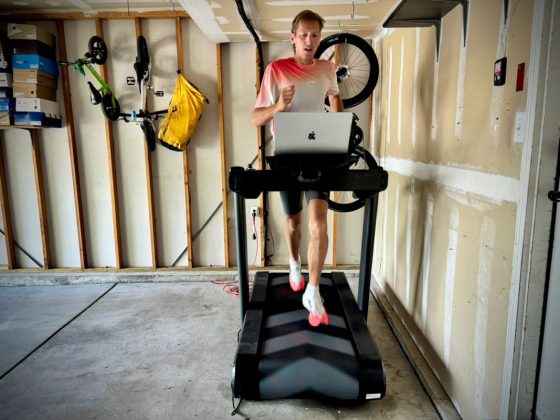
#acgpegasus #pegasustrail #nikeacg #best #runners
iRunFar (Unofficial)
iRunFar (Unofficial) 4d

This Week In Running: October 26, 2026 The post This Week In Running: October 26, 2026 appeared first on iRunFar. The year’s last Golden Trail World Series race and the second-to-last Skyrunner World Series race were among the weekend’s biggest highlights. There were lots of races around the U.S., too. You can also check out our race coverage from earlier in the week: Belgian Duo of Merijn Geerts and Ivo Steyaert Set a Backyard Ultra Record for a Third Time Muju Trail Grand Finale – Muju, South Korea It was the year’s last Golden Trail World Series race, on a technical 29-kilometer course with 2,441 meters of elevation gain. The men’s race was on Sunday, and the women’s race was on Saturday. Men Elhousine Elazzaoui (Morocco) won the men’s race and won the overall series for the third year in a row. Elazzaoui mastered the course and the rainy and slippery conditions in 2:49. He was 44 seconds faster than second-place Patrick Kipngeno (Kenya), and just over 1:30 better than third-place Timothy Kibett (Kenya) in 2:50. Elhousine Elazzaoui, 2026 Muju Trail champion. Photo: GTWS/Koastal Forest The top 10 men were: Elhousine Elazzaoui (Morocco) – 2:49:14 Patrick Kipngeno (Kenya) – 2:49:58 Timothy Kibett (Kenya) – 2:50:48 Joey Hadorn (Switzerland) – 2:52:22 Alain SantamarĂ­a (Spain) – 2:54:00 Taylor Stack (U.S.) – 2:55:47 Bogdan Damian (Romania) – 2:57:39 Samwel Kiprotich (Kenya) – 3:00:21 Michael Selelo Saoli (Kenya) – 3:00:39 Nashon Kiplimo (Kenya) – 3:04:22 Philemon Kiriago (Kenya) was 11th in 3:05:08. The top five men of the 2026 Muju Trail (left to right): 4. Joey Hadorn, 2. Patrick Kipngeno, 1. Elhousine Elazzaoui, 3. Timothy Kibett, and 5. Alain SantamarĂ­a. Photo: GTWS/Koastal Forest Women Surprise women’s winner Andrea KolbeinsdĂłttir (Iceland) was nearly six minutes better than everyone else at the front — rain, slippery stairs, and rocks clearly no issue for her. She finished in 3:19. Mădălina Florea (Romania) was second in 3:25, and she won the overall series for a second year in a row. Miriam Morales (Mexico) was third in 3:29. Andrea KolbeinsdĂłttir, 2026 Muju Trail champion. Photo: GTWS/Koastal Forest The top 10 women were: Andrea KolbeinsdĂłttir (Iceland) – 3:19:56 Mădălina Florea (Romania) – 3:25:46 Miriam Morales (Mexico) – 3:29:12 Madalina Amariei (Romania) – 3:29:35 Barbora Bukovjan (Czech Republic) – 3:29:54 Theres Leboeuf (Switzerland) – 3:32:57 Ruth Gitonga (Kenya) – 3:33:59 Caroline Kimutai (Kenya) – 3:36:06 Beatrice Bianchi (Italy) – 3:36:33 Marie Nivet (France) – 3:40:15 Full results. The top five women of the 2026 Muju Trail (left to right): 4. Madalina Amariei, 2. Mădălina Florea, 1. Andrea KolbeinsdĂłttir, 3. Miriam Morales, and 5. Barbora Bukovjan. Photo: GTWS/Koastal Forest Sobrescobio Skyrace – Redes Natural Park, Spain The 30k race in northern Spain was part of the Skyrunner World Series. It was the year’s last race before the series finale, called the Skymasters. Men FrĂ©dĂ©ric Tranchand (France) led all of the men’s race and set a new course record in 2:39. The remaining podium positions were close, with Jan Torrella (Spain) and Marcos Villamuera (Spain) only 21 seconds apart in 2:42. FrĂ©dĂ©ric Tranchand winning the 2026 Sobrescobio Skyrace. Photo: Skyrunner World Series The men’s top five was: FrĂ©dĂ©ric Tranchand (France) – 2:39:07 Jan Torrella (Spain) – 2:42:06 Marcos Villamuera (Spain) – 2:42:27 Manuel Merillas (Spain) – 2:43:45 Ibai Larrea (Spain) – 2:45:17 Women Spanish runners took four of the top five finish spots in the women’s race, and Sara Alonso crushed the field in 3:13. She won by nearly 10 minutes and set a new course record. Greta GarcĂ­a and Patricia Pineda were second and third in 3:23 and 3:26, respectively. Sara Alonso, 2026 Sobrescobio Skyrace champion. Photo: Skyrunner World Series The women’s top five: Sara Alonso (Spain) – 3:13:55 Greta GarcĂ­a (Spain) – 3:23:47 Patricia Pineda (Spain) – 3:26:39 Oihana Zubillaga (Spain) – 3:32:50 Eve Pannone (U.K.) – 3:36:23 Full results. Big Dog’s Backyard Ultra World Team Championships – Worldwide The biennial event started with 67 countries each racing a 4.16-mile loop on the hour, called a “yard” in backyard ultra parlance, in 67 different countries around the world. National teams had up to 15 members, and the team race was scored by the number of laps completed by the team. Four countries — the U.S., France, Japan, and Belgium — were all still running after 100 yards, but France was out of the race on yard 101, and Japan exited on yard 105. That left Mark Dowdle and Jon Noll of the U.S., and past backyard ultra record holders Ivo Steyaert and Merijn Geerts from Belgium, as the only active runners. Ivo Steyaert (left) and Merijn Geerts run together during the 2026 Big Dog’s Backyard Ultra World Team Championships on their way to setting a new record. Photo: Jacob Zocherman Dowdle won the U.S. race with 107 yards, and the U.S. race ended then. The U.S. team won the team world championships. Steyaert and Geerts kept running in Belgium, though, and, incredibly, set another backyard ultra record. The pair finished yard 124 together. That put them at over 516 miles in just over five days. They bettered Phil Gore’s prior 119-yard record from 2025. Steyaert and Geerts previously held the record in 2024 and 2022 as well. Full results. Additional Races and Runs Puglia by UTMB – Castellaneta Marina, Italy The event’s longest distance was 140k. Nicolas Thomas (Belgium) and Enrica Dematteis (Italy) won in 12:15 and 15:49. Claudio DĂ­az (Spain) and Claudia Tremps (Spain) won the 85k in 7:28 and 8:24. Only two minutes separated Sammy Chelangat (Kenya) and Roberto Delorenzi (Switzerland) at the front of the men’s 50k in 3:37 and 3:39, and AnaĂŻs Guillot (France) won a close women’s 50k in 4:15. Full results. Canyonlands Ultra – Moab, Utah The race was just outside its namesake national park. Peter Kucharek and Madison Armonda won the 100k in 9:55 and 10:25, and Ned Sudbeck and Amelia Pietraccini led the 50 miler in 7:44 and 10:25. The 50k winners were Nick Danielson and Tracy Steele in 4:05 and 4:49. Full results. Cactus Rose – Bandera, Texas At the Hill Country State Natural Area, Philip Arneson and Esther Hackleman won the 100 miler in 22:43 and 28:47, and Connor Slawin and Laurie Martin were 50-mile champs in 9:29 and 14:22. Full results. Philip Arneson after winning the 2026 Cactus Rose 100 Mile. Photo: Tejas Trails Esther Hackleman gets the win at the 2026 Cactus Rose 100 Mile. Photo: Tejas Trails Door County Fall 50 Mile – Sturgeon Bay, Wisconsin The race ran point to point along the Door Peninsula. Adam Sanchez and Rachel Lundberg won in 6:08 and 7:04. Full results. No Business 100 Mile – Jamestown, Tennessee It was the race’s 10th year on a single-loop course. Blake Neumann was the men’s winner in 20:17, but women’s winner Mika Thewes was the overall winner in 20:11. Thewes won the Mammoth 200 Mile only three weeks earlier. Full results. Rim to River 100 Mile – New River Gorge, West Virginia The race was inside the New River Gorge National Park. Josiah Stermer won for the men in 16:45, and Carre Zatwarnytsky led the women’s race in 19:22. Full results. Josiah Stermer on his way to winning the 2026 Rim to River 100 Mile. Photo: Brittany DiMarco/@b.a.dimarco Carre Zatwarnytsky, 2026 Rim to River 100 Mile champion. Photo: Brittany DiMarco/@b.a.dimarco Tussey Mountainback – Boalsburg, Pennsylvania The 50-mile winners were Logan Moore and Kaitlyn Spangler in 7:15 and 7:47, and Gunner Denius and Liz Wright won the 50k in 4:10 and 4:09. Full results. Patapsco Valley 50k – Baltimore, Maryland It was the 13th edition of the race at the state park of the same name. Patrick Blair and Emily Driscoll won in 4:33 and 5:13. Full results. Georgia Sky to Summit 50k – Dillard, Georgia The race totaled 7,500 feet of elevation gain on a course that goes to Georgia’s second-highest peak. Colby Mosshart and Rebecca Watters won in 4:56 and 6:09. Full results. Triple Lakes Trail Race 40 Mile – Greensboro, North Carolina The three lakes were Lake Brandt, Lake Townsend, and Lake Jeanette, and Aiden Neal and Eme Sechena won the 40 miler in 5:41 and 6:11. Full results. Call for Comments What other late October fun was happening this weekend? Which year-long series have you followed most closely this year, and why? This Week In Running: October 26, 2026 by Justin Mock. https://www.irunfar.com/this-week-in-running-october-26-2026 #mujutrail #kenya #worldseries #koastalforest #elhousineelazzaoui #goldentrail #andreakolbeinsdottir #patrickkipngeno #timothykibett #skyrunnerworld #rss #feeds #linksharing #qwibbit
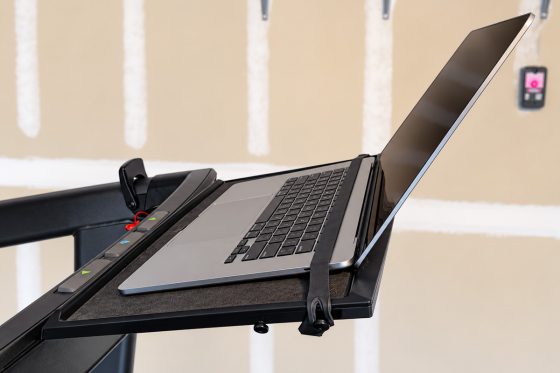
#mujutrail #kenya #worldseries #koastalforest #elhousineelazzaoui
iRunFar (Unofficial)
iRunFar (Unofficial) 6d

Best Cushioned Trail Running Shoes of 2026 The post Best Cushioned Trail Running Shoes of 2026 appeared first on iRunFar. Alli Miles tests a pair of cushioned trail shoes on desert trails. Photo: iRunFar/Eszter Horanyi Whatever your motivation for finding the best cushioned trail running shoes, be it aiding in injury prevention and recovery, reducing fatigue in your legs from day to day activities, or because you mainly run hard-packed, non-technical trails, the choices right now are plentiful and much more varied than in the past. While Hoka kickstarted maximal cushioning, nearly every brand that offers trail shoes provides at least a moderately cushioned model, with the trend being toward increased cushioning across entire product lineups. Many elements we love in a modern highly cushioned shoe, like the plush ride, finally include features that older options typically lacked, such as lightness, ground feel, and stability. We no longer have to choose cushion over all else. For this guide, we rounded up and tested the best moderately and maximally cushioned trail running shoes. To learn more about finding the right cushioned trail running shoe for you, scroll down to our recommendations for how to choose, as well as our frequently asked questions. Finally, learn more about our research and testing methodology. Check out our Best Trail Running Shoes guide for more great options, including more generalist trail shoes. [Editor’s Note: Updated October 24, 2026 to add the Altra Olympus 7, and Brooks Cascadia 20, Hoka Tecton X 4, Mount to Coast M1, Nike ACG Pegasus Trail, Nike ACG Zegama Trail, as well as to verify all prices and availability.] Best Cushioned Trail Running Shoes Best Cushioned Trail Shoe: Hoka Speedgoat 7 Best Moderately Cushioned Trail Shoe: Nike ACG Pegasus Trail Best Cushioned Trail Shoe for Racing: Hoka Tecton X 4 Best Zero-Drop Maximally Cushioned Trail Shoe: Altra Olympus 7 Best Cushioned Trail Shoe for Recovery Runs: Norda 005 Additional Outstanding Cushioned Trail Running Shoes Mount to Coast M1 (maximal cushion) Nike ACG Zegama Trail (maximal cushion) Brooks Cascadia 20 (moderate cushion) La Sportiva Akasha II (moderate cushion) Testing cushioned trail shoes on technical terrain in Colorado. Photo: iRunFar/Eszter Horanyi Best Cushioned Trail Running Shoe: Hoka Speedgoat 7 ($165) Actual Weight (U.S. men’s 9): 9.3 oz (264 g) | Stack Height: 40/35 mm heel/toe | Drop: 5 mm Pros: Livelier cushioning than its predecessor Strong option across many conditions and terrains Great traction Cons: Forefoot can be too voluminous for narrow-footed runners The Hoka Speedgoat 7. Photo: iRunFar/Eszter Horanyi After a full set of pendulum swings in recent models, the Hoka Speedgoat 7 seems to have settled back into its happy middle place, and that’s a place where it excels. It’s now a lightish trail shoe with sufficient structure in the upper and plenty of lively underfoot cushioning such that it, in fact, excels in a whole lot of places! If you didn’t like the firmer midsole of the Speedgoat 6 (or 4), the Speedgoat 7 might be more to your liking. The move to a supercritical foam midsole makes this version far more forgiving over longer distances. The shoe retains a single-density midsole foam without bells and whistles — no rocker, cage, or anything else to change your gait or pronation. It just feels like a good, well-cushioned midsole with plenty of protection while going slow or fast. A return to a more structured upper that provides excellent lockdown makes the Speedgoat 7 the most technically capable version of the shoe since at least the Speedgoat 4. Paired with the more forgiving midsole, this really is the Speedgoat’s return to its roots. Throughout the years, the Speedgoat has offered plenty of traction across many different conditions. The Speedgoat 7 continues to use a Vibram Megagrip outsole with Vibram’s “lugs-on-lugs” Traction Lugs feature. This adds surface area for additional traction. One tester called it “one of the best outsoles I’ve ever used.” iRunFar gear tester Travis Liles, who has reviewed all versions of the Speedgoat but the first, remarks, “[The Speedgoat 7 is] something I can just wear a lot and in a lot of different situations. I’ll feel good about really long-distance stuff. I’m going to feel good about fire roads. I’m going to feel good about technical terrain. I can wear it on the roads a little bit as well. It’s got all that stuff that was endearing to me about this shoe when it really hit its stride.” Note: Travis notes the shoe fits a bit smaller than the previous five versions of the Speedgoat, so if you’re on the edge of sizes, size up. Read our full Hoka Speedgoat 7 review. Shop the Men's Hoka Speedgoat 7Shop the Women's Hoka Speedgoat 7 Best Moderately Cushioned Trail Running Shoe: Nike ACG Pegasus Trail ($155) Actual Weight (U.S. men’s 9): 10.4 oz (295 g) | Stack Height: 39/31 mm heel/toe | Drop: 8 mm Pros: More ReactX foam As versatile as ever More trail-forward than previous versions Cons: Still not the top choice on highly technical terrain The Nike ACG Pegasus Trail. Photo: iRunFar/Bryon Powell The Pegasus Trail line has been one of the longtime favorites of our testing team, and, in our opinion, the Nike ACG Pegasus Trail is the best version yet. Indeed, it appears as the top option in both our Best Trail Running Shoes and Best Road-to-Trail Shoes guides. Now in its sixth iteration, this shoe keeps many of the features that we loved about previous versions and added a few updates that made us reach for it even more. Most relevant to this guide, Nike added 4 millimeters of ReactX foam in the forefoot and 2 millimeters in the heel, making it an option for those 20-plus mile days. Our testers still love ReactX, finding it durable and the right combination of firm and responsive. Nike also added a bit of volume to the toebox and slightly widened its footprint while upgrading the outsole to the next generation of its All Terrain Compound. The 3.5-millimeter lugs also have a new pattern to increase grip without sacrificing that true road-to-trail feel. Combined, these changes make this shoe even more trail-worthy than previous editions and a viable option for moderate terrain, though we still wouldn’t take it on our most technical runs. You can read our full Nike ACG Pegasus Trail review. Shop the Men's Nike ACG Pegasus TrailShop the Women's Nike ACG Pegasus Trail Best Cushioned Trail Shoe for Racing: Hoka Tecton X 4 ($275) Actual Weight (U.S. men’s 9): 9.3 oz (263 g) | Stack Height: 40/35 mm heel/toe | Drop: 5 mm Pros: Top-tier energy return with new carbon plate structure Lightweight, nimble, and responsive Excellent outsole that works on varying terrain Cons: The divisive gaiter remains Pricey The Hoka Tecton X 4. Photo: iRunFar/Bryon Powell The Hoka Tecton X 4 is the latest edition of Hoka’s premier trail racing shoe, and this one shines with a few small changes while remaining as lightweight and propulsive as ever. This shoe still has excellent bounce and cushion with two layers of ultralight PEBA foam, but in this version, the carbon fiber plates run parallel. Our primary tester, who has run in all four versions of this shoe, didn’t notice a significant difference in the ride and continued to appreciate its bounce, stability, and responsiveness. Combined with its relatively light weight (9.3 ounces for a U.S. men’s 9), this shoe is made for speed. But it’s also versatile enough to work in other contexts, too. The same tester used this shoe for fast efforts, yes, but she also loved them for easy running. She found that the Vibram Megagrip outsole, featuring 4-millimeter lugs with Traction Lug technology, performs well on all types of terrain, from asphalt to gravel to loose rock. This versatility perhaps makes the high price a bit easier to stomach. The Matryx upper, too, is top notch. It’s breathable and drains well without sacrificing structure or durability. And everyone’s favorite built-in knit gaiter is back! While it continues to alienate some runners and certainly doesn’t make it easy to put the shoe on, it is effective at keeping out debris. This shoe also appears in our Best Trail Running Shoes guide, and you can read more about it in our in-depth Hoka Tecton X 4 review. Shop the Men's Hoka Tecton X 4Shop the Women's Hoka Tecton X 4 Best Zero-Drop Maximally Cushioned Trail Running Shoe: Altra Olympus 7 ($195) Actual Weight (U.S. men’s 9): 11.3 oz (321 g) | Stack Height: 33/33 mm heel/toe | Drop: Zero Pros: Maintained comfort and capability while dropping weight Cons: Massive material footprint; you won’t feel particularly sprightly in these The Altra Olympus 7. Photo: iRunFar/Bryon Powell Trail runners who remember Altra’s origin story as the zero-drop shoe brand with a no-compromises approach to an extra-wide toebox should love the Altra Olympus 7, the latest version of this now-classic model. We loved the Olympus 6 for its Jekyll-and-Hyde characteristics: a supremely comfortable ride with the ability to plow through almost anything in its path. The Olympus 7 continues that theme, shedding almost an ounce while adding more traction to the outsole. Compared with virtually any other trail shoe, stepping into this shoe feels like taking your feet to a spa. The toebox is almost comically large, but there’s nothing funny about how dramatically good it feels to wear. It certainly helps if you have naturally wide feet or a condition like bunions that requires extra room, and our primary tester has both. Altra continues to improve its Ego Max midsole, which is now 15% lighter and 10% softer than the previous version. The company has also reconfigured the outsole lug pattern while retaining Vibram Megagrip, making the Olympus 7 more confidence-inspiring on technical terrain than the Olympus 6. These shoes also have Vibram’s Traction Lug technology. Most of us won’t be ripping fast miles or setting PRs in the Olympus 7, but for all-day mountain running — on almost any terrain — this is one of the most comfortable and capable shoes available. Shop the Men's Altra Olympus 7Shop the Women's Altra Olympus 7 Best Cushioned Trail Shoe for Recovery Runs: Norda 005 ($325) Actual Weight (U.S. men’s 9.5): 8.1 oz (230 g) | Stack Height: 28.5/21.5 mm heel/toe | Drop: 7 mm Pros: Incredibly comfortable Lightweight Cons: Expensive Not suitable for technical terrain The Norda 005. Photo: iRunFar/Bryon Powell When iRunFar’s founder Bryon Powell heads out for an easy recovery run — be it on trails or dirt roads — he finds himself grabbing the Norda 005. Why? Because they’re darn comfortable and their light weight makes recovery runs feel even easier. Between the shoe’s squish and minimally structured upper, it’s not suitable for more technical terrain or even faster running on moderate terrain. With that in mind, you probably want to stick to easier runs in the 005. But how can one justify such an expensive shoe for mostly recovery runs? Well, with the premium materials used in the Norda 005’s upper and midsole, this shoe is going to last you for years, and all that much longer if you’re not destroying them on your hardest or most technical runs. If you buy these shoes, consider it an investment in a long-term relationship. We’ve also named the Norda 005 the most comfortable lightweight trail shoes in our Best Lightweight Trail Shoes guide. Note that you’ll want to go a half size up in the Norda 005, hence us using a men’s U.S. 9.5 for our reference weight. Read or watch our full Norda 005 review. Shop the Men's Norda 005Shop the Women's Norda 005 Additional Outstanding Cushioned Trail Running Shoes Mount to Coast M1 ($195) Actual Weight (U.S. men’s 9): 9.7 oz (274 g) | Stack Height: 38/34 mm heel/toe | Drop: 4 mm Pros: JetCell midsole foam is excellent Versatile outsole Lightweight for the amount of cushion Cons: Lacing system and upper don’t work for everyone The Mount to Coast M1. Photo: iRunFar/Bryon Powell The Mount to Coast M1 is a max-cushioned trail shoe from a fast-growing brand that prioritizes comfort and durability. We found this shoe to check both of those boxes. The standout feature of this shoe is its midsole. Made from what the company calls JetCell foam, the midsole offers top-tier energy return and cushion for long days on your feet, making for a true ultrarunning shoe. In fact, Canyon Woodward wore this shoe during his eighth-place finish at the 2026 Western States 100. Even with 38 millimeters of foam in the heel and 34 in the forefoot, it still weighs less than 10 ounces, so it doesn’t feel clunky on your feet. This shoe also features a Vibram Megagrip outsole with Traction Lugs technology on its 4-millimeter lugs, so it offers excellent grip on various surfaces. Our testers loved it for everything from pavement to trails to fire roads. One of our testers described this shoe as his “far and away favorite this summer.” Our only knocks on this shoe came in its upper. Mount to Coast’s unique dual lacing system didn’t work for all of our testers, making it hard to nail the lockdown. But those are small knocks on a shoe that will offer tremendous cushion for many, many miles. For a deeper look at this shoe, check out our Mount to Coast M1 review. Shop the Men's Mount to Coast M1Shop the Women's Mount to Coast M1 Nike ACG Zegama Trail ($180) Actual Weight (U.S. men’s 9): 11.1 oz (314 g) | Stack Height: 38/34 mm heel/toe | Drop: 4 mm Pros: Great cushion Vibram Megagrip outsole Ready to run out of the box Cons: Upper is a bit warm Possible sizing issues The Nike ACG Zegama Trail. Photo: iRunFar/Bryon Powell The Nike ACG Zegama Trail is the third in the Zegama line, and it was another hit among our test team. With 38 millimeters of stack in the heel and 34 in the forefoot, this is another max-cushion mountain cruiser capable of handling your biggest runs. This shoe features a double layer of foam. Directly underfoot is one of Nike’s best foams, ZoomX, which provides plenty of bounce and comfort for long days in the mountains. Underneath is a layer of Cushlon 3.0, which provides stability over mixed terrain. We also appreciated the wider toebox, soft heel collar, and built-in gaiter. “The shoe feels stable and I have confidence running over technical terrain,” one of our testers remarked. On the bottom of the shoe is a Vibram Megagrip outsole with Traction Lug technology, which provides excellent grip on a variety of terrain and weather. In fact, in Nike’s trail lineup, this shoe stands as the rugged mountain shoe, with the Nike ACG Pegasus Trail described above as the road-to-trail option and the Nike ACG Ultrafly Trail (review) as the speedy racing shoe. With this outsole, we think the Zegama fills its role well. Our issues with this shoe are twofold: stuffiness and sizing. First, the upper is substantial and a bit stuffy. “It’s not the most breathable shoe out there and my feet do sweat a bit in them compared to other shoes,” one tester wrote. Second, one tester felt like his normal 10.5 was too big — not so much that he couldn’t run in them, but it left him wishing he tried a half-size down. Shop the Men's Nike ACG Zegama TrailShop the Women's Nike ACG Zegama Trail Brooks Cascadia 20 ($160) Actual Weight (U.S. men’s 9): 10.3 oz (292 g) | Stack Height: 38/32 mm heel/toe | Drop: 6 mm Pros: Better (and more) midsole foam Vibram Megagrip outsole Versatile Cons: Lockdown issues in extreme terrain The Brooks Cascadia 20. Photo: iRunFar/Bryon Powell The Cascadia line has been a mainstay in our Best Trail Running Shoes guide for many years, and the Brooks Cascadia 20 features some upgrades that make it one of our favorite versions yet. The previous version of this shoe — see our Brooks Cascadia 19 review — featured a stack height of 35 millimeters in the heel and 29 in the forefoot, which is ample cushion. This new version, though, has even more. With 38 millimeters of stack in the heel and 32 in the forefoot, this shoe is now firmly in the cushioned trail shoe category. And not only does it have more foam, but that foam is better. Brooks upgraded the midsole to its DNA Flash V2 foam, which we found to be lighter and more responsive. We love this shoe for everything from everyday trail running to a mountain ultra. The other major upgrad https://www.irunfar.com/best-cushioned-trail-running-shoes #cushionedtrail #trailrunning #trailshoe #bestcushioned #runningshoes #hokaspeedgoat #nikeacg #pegasustrail #zegamatrail #moderatelycushioned #rss #feeds #linksharing #qwibbit
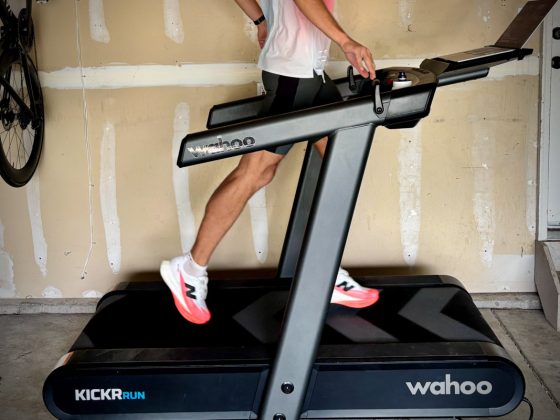
#cushionedtrail #trailrunning #trailshoe #bestcushioned #runningshoes

Welcome to iRunFar (Unofficial) spacestr profile!

About Me

Trail running, ultramarathons, and scenic lapses in judgment. Automated RSS; source content belongs to its owners. Unofficial fan feed; not affiliated with source publishers.

Interests

  • No interests listed.

Videos

Music

My store is coming soon!

Friends