spacestr

🔔 This profile hasn't been claimed yet. If this is your Nostr profile, you can claim it.

Edit
DinoFiles
Member since: 2026-10-15
DinoFiles
DinoFiles 1h

A mysterious 4,000-year-old wall is rewriting North Africa’s history A remarkable 4,000-year-old defensive structure discovered in Morocco is rewriting what scientists thought they knew about ancient North African civilizations. The massive fortifications reveal unexpectedly sophisticated prehistoric societies and suggest that the region played a much greater role in Mediterranean history than previously recognized. https://www.sciencedaily.com/releases/2026/10/261030003022.htm #northafrica #history #morocco #rss #feeds #linksharing #qwibbit

#northafrica #history #morocco #rss #feeds
DinoFiles
DinoFiles 23h

The asteroid killed the dinosaurs. Why did crocodiles survive? Scientists may have solved a 66-million-year-old mystery: how crocodiles survived the asteroid that wiped out the dinosaurs. A sweeping analysis of fossils and ancient climates suggests that their preference for warm environments placed them in tropical refuges that remained habitable even after the catastrophic impact. https://www.sciencedaily.com/releases/2026/10/261030002922.htm #rss #feeds #linksharing #qwibbit

#rss #feeds #linksharing #qwibbit
DinoFiles
DinoFiles 1d

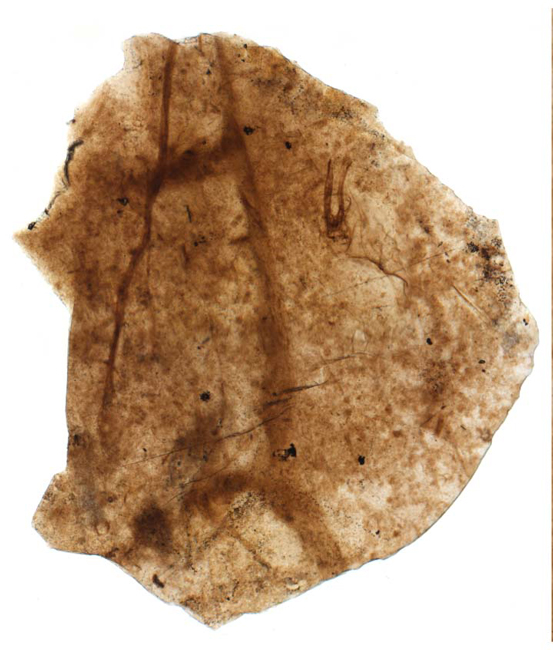
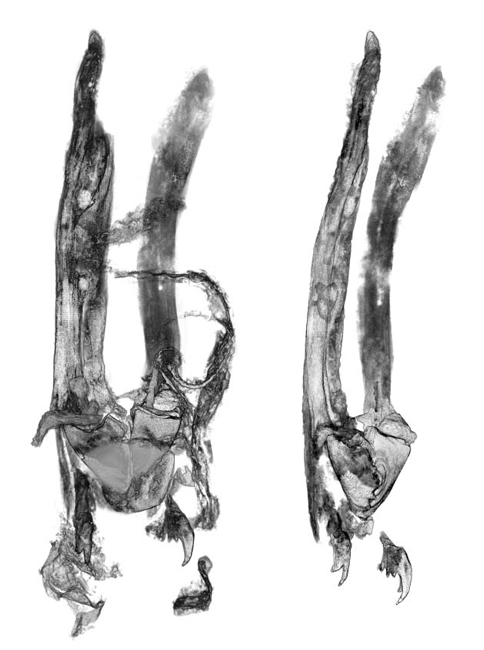
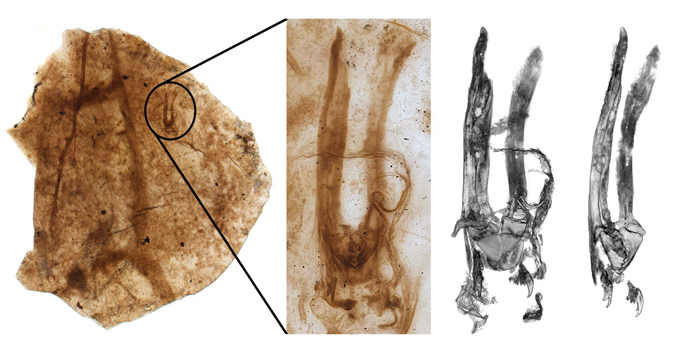
Stunning Rhynie Chert Fossil Rewrites the Evolution of Flying I A tiny fossil discovered in Scotland a hundred years ago has prompted scientists to reconsider the evolution of flying i. New research led by scientists from the Natural History Museum in London suggests that flying i may have evolved as much as eighty million years later than previously thought. The findings challenge a long-established interpretation of one of the world’s oldest arthropod fossils and demonstrate how modern scientific techniques can transform our understanding of prehistoric life. Rhynie Chert fragment with inset Rhyniognatha highlighted and confocal microscopy models. Picture credit: Emma Long. Picture credit: Emma Long The fossil, named Rhyniognatha hirsti, was discovered in 1926 in the famous Rhynie Chert deposits of northern Scotland. These remarkable deposits preserve evidence of a Devonian wetland ecosystem dating back approximately 408 million years. The exceptional preservation of fossils from this location has provided palaeontologists with invaluable information about some of the earliest terrestrial ecosystems. To read an article from earlier this year highlighting the significance of the Rhynie Chert deposits: Fossils Provide a Remarkable Insight into Devonian Ecosystems. A Tiny Fossil with Enormous Scientific Significance The fossil of Rhyniognatha hirsti consists of part of the head of a tiny arthropod. Measuring less than one millimetre in length, this extraordinary specimen was largely overlooked for decades as researchers concentrated on other fossils recovered from the Rhynie Chert. However, a scientific study published in 2004 dramatically changed the importance of this tiny fossil. Researchers identified similarities between its mouthparts and those of modern winged i. Consequently, Rhyniognatha was interpreted as the oldest known representative of the winged i lineage. This identification had profound implications for understanding i evolution. If Rhyniognatha belonged to the winged i lineage, the evolutionary origins of flying i must have extended back to at least the Early Devonian, approximately 400 million years ago. Rhyniognatha fossil chip viewed under light microscope. Picture credit: Emma Long. Picture credit: Emma Long The fossil subsequently became an important reference point for researchers attempting to reconstruct the evolutionary relationships of i, including the ancestors of modern dragonflies, bees and crickets. Advanced Microscopy Challenges an Established Theory Despite its scientific significance, questions remained about the true identity of Rhyniognatha hirsti. Some researchers suggested that the fossil might represent an ancient relative of centipedes rather than an i. To investigate these competing interpretations, scientists led by the Natural History Museum undertook a detailed re-examination of the specimen using advanced confocal microscopy. This technique uses precisely focused laser light to examine structures within a specimen. It allows scientists to produce detailed digital reconstructions and distinguish anatomical features that can be extremely difficult to interpret using conventional light microscopy. The research team concentrated on the fossil’s jaws, particularly the arrangement of their joints. These structures are important because differences in mouthpart anatomy can help palaeontologists distinguish between major arthropod groups. Their investigation revealed that the jaw joints of Rhyniognatha do not correspond precisely with those found in modern flying i or centipedes. Rhyniognatha confocal microscopy models. Picture credit: Emma Long. Picture credit: Emma Long As a result, the researchers concluded that there is insufficient evidence to confidently assign this ancient arthropod to either group. Rethinking the Evolution of Flying I The implications of this discovery extend far beyond the identification of a single fossil. For more than two decades, Rhyniognatha hirsti has been used as a calibration point in evolutionary studies. By combining fossil evidence with genetic information from living organisms, scientists can estimate when different groups shared their last common ancestors. However, these calculations depend upon fossils being correctly identified and placed within the appropriate evolutionary lineages. If Rhyniognatha cannot reliably be classified as an i, it should no longer be used to establish a minimum age for the evolution of winged i. Dr Emma Long, the study’s lead author, explained that the re-examination suggests Rhyniognatha is probably not an i at all. Removing this fossil from evolutionary calculations could shift estimates for the origins of flying i forward by as much as eighty million years. Importantly, this does not establish an exact date for the first appearance of i flight. Instead, it removes a previously influential piece of evidence supporting a much earlier evolutionary origin. The findings therefore encourage scientists to reconsider when i acquired wings and how the development of flight influenced the diversification of terrestrial ecosystems. Museum Fossils Continue to Reveal New Secrets This remarkable discovery also highlights the enduring scientific value of museum collections. Although Rhyniognatha hirsti was collected in 1926, modern microscopy has enabled scientists to examine its anatomy in ways that would have been impossible when the fossil was first discovered. Dr Greg Edgecombe, a co-author of the study and Merit Researcher at the Natural History Museum, emphasised the importance of applying new analytical techniques to historical specimens. Dr Edgecombe stated: “Revisiting old fossils with new technology allow us to see them in a new light, and Rhyniognatha is no exception. By using advanced microscopy techniques, we were able to digitally separate the fossil to see its key features in greater detail than ever before.” Museum collections preserve an enormous wealth of scientific information. As technology advances, fossils collected many decades ago can provide fresh evidence and challenge established interpretations. For instance, this new research has changed our understanding with regards to the evolution of flying i. The re-examination of Rhyniognatha demonstrates that even the smallest fossils can have an enormous influence on our understanding of evolutionary history. For palaeontologists, the research is also an important reminder that scientific interpretations are continually tested and refined as new evidence becomes available. The multi-award-winning Everything Dinosaur website: Prehistoric Animal Replicas. The post Stunning Rhynie Chert Fossil Rewrites the Evolution of Flying I first appeared on Everything Dinosaur Blog. https://blog.everythingdinosaur.com/blog/_archives/2026/10/28/evolution-of-flying-i-fossil-discovery.html #rss #feeds #linksharing #qwibbit

#rss #feeds #linksharing #qwibbit
DinoFiles
DinoFiles 1d

A 700,000-year-old elephant tooth reveals a lost world where early humans lived A remarkably preserved elephant tooth dating back nearly 700,000 years has revealed a surprisingly lush prehistoric world where giant elephants and early humans lived side by side. Discovered in northern Israel alongside ancient stone tools, the tooth belonged to a straight-tusked elephant, one of the largest land mammals of the Ice Age. https://www.sciencedaily.com/releases/2026/10/261028232709.htm #earlyhumans #humanslived #elephanttooth #iceage #israel #rss #feeds #linksharing #qwibbit

#earlyhumans #humanslived #elephanttooth #iceage #israel
DinoFiles
DinoFiles 2d

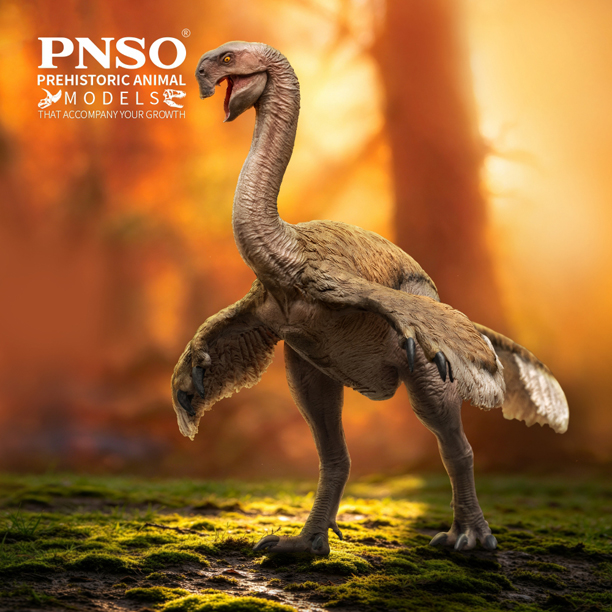
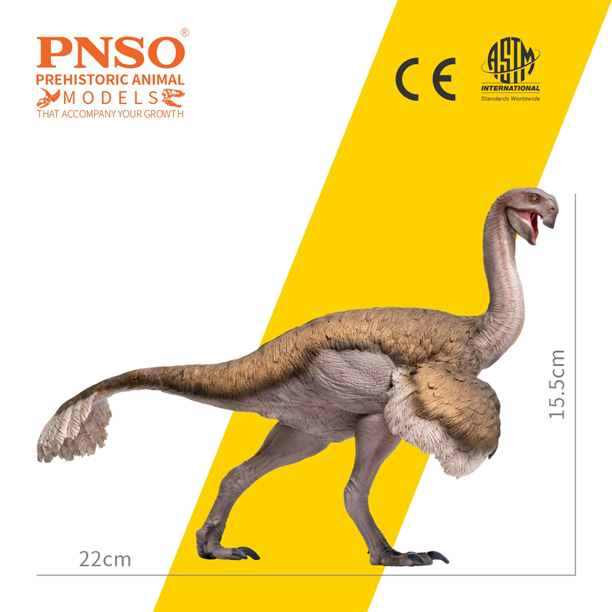
PNSO Announce New Gigantoraptor Figure PNSO have announced that they will introduce a new dinosaur model. Say hello to the PNSO Munkh the Gigantoraptor. It is a beautiful model of the largest oviraptorosaur known to science. This figure will be in stock at Everything Dinosaur in the near future. The PNSO Munkh the Gigantoraptor dinosaur model. This stunning replica of a feathered dinosaur measures an impressive twenty-two centimetres in length. In addition, Everything Dinosaur confirms that the Gigantoraptor replica stands fifteen and a half centimetres high. Although no scale is given by PNSO for this model, based on an estimated length of Gigantoraptor erlianensis of eight metres, we calculate that this PNSO model is in approximately 1/36th scale. However, collectors can confidently display this model next to 1/40th scale prehistoric animal models. The model of the largest known oviraptorosaur (Gigantoraptor) measures 22 cm long and stands 15.5 cm high. To view the huge range of PNSO prehistoric animal models in stock: PNSO Age of Dinosaurs Models and Figures. The PNSO Munkh the Gigantoraptor Model Gigantoraptor (G. erlianensis) was formally scientifically described in 2007. This enormous theropod lived during the Late Cretaceous. Its fossils come from the Iren Dabasu Formation of Inner Mongolia. Intriguingly, a large dentary (lower jawbone) from the Bayan Shireh Formation has been tentatively assigned to this genus. The PNSO Munkh the Gigantoraptor figure is supplied with a full-colour poster and a fifty-six-page booklet. To read Everything Dinosaur’s article from 2007 about the discovery of Gigantoraptor: A New Chinese Late Cretaceous Dinosaur is Described (Gigantoraptor). The Gigantoraptor figure is supplied with a full-colour, A3-sized Sci-Art poster and a 56-page, full-colour booklet. This the second Gigantoraptor model to be made by PNSO. The PNSO range already includes a small replica of this oviraptorosaur (Shanshan the Gigantoraptor). Commenting on the introduction of this new oviraptorosaurian dinosaur model, Mike from Everything Dinosaur stated: “Congratulations to the design team at PNSO. It is an amazing figure. Furthermore, it is great to see this company making more models of Asian theropods. This dinosaur model will be in stock at Everything Dinosaur soon.” The multi-award-winning Everything Dinosaur website: Prehistoric Animal and Dinosaur Figures. The post PNSO Announce New Gigantoraptor Figure first appeared on Everything Dinosaur Blog. https://blog.everythingdinosaur.com/blog/_archives/2026/10/29/pnso-munkh-the-gigantoraptor-figure.html #pnsoannounce #gigantoraptor #everythingdinosaur #pnsomunkh #announcenew #model #figure #latecretaceous #prehistoricanimal #newchinese #rss #feeds #linksharing #qwibbit

#pnsoannounce #gigantoraptor #everythingdinosaur #pnsomunkh #announcenew
DinoFiles
DinoFiles 3d

New Beasts of the Mesozoic/Cenozoic Figures in Stock Eight new Beasts of the Mesozoic/Cenozoic figures have arrived at Everything Dinosaur’s warehouse. Four models are dinosaurs (Beasts of the Mesozoic range), whilst the other four are from the Beasts of the Cenozoic series. We have three, new prehistoric mammal figures, plus a Terror Bird too. Beasts of the Mesozoic and Beasts of the Cenozoic figures have arrived at the warehouse. Picture credit: Everything Dinosaur. Picture credit: Everything Dinosaur The eight new articulated figures are: Beasts of the Mesozoic Acrocanthosaurus atokensis – a huge theropod dinosaur model in 1/18th scale and with 32 points of articulation. Beasts of the Cenozoic Moeritherium lyonsi – a model of an early proboscidean in 1/18th scale and with 18 points of articulation. The Beasts of the Mesozoic Kentrosaurus aethiopicus an armoured dinosaur from the Late Jurassic of Africa with 22 points of articulation (1/18th scale). Beasts of the Cenozoic Dire Wolf (Aenocyon dirus) – a 1/12th scale articulated replica of this apex predator (21 points of articulation). Beasts of the Mesozoic Spicomellus afer – a 1/18th scale figure of this basal ankylosaur with elaborate armour (25 points of articulation). The Beasts of the Cenozoic Kelenken guillermoi – a fabulous replica of a Terror Bird with 21 points of articulation (1/12th scale model). Beasts of the Mesozoic Ceratosaurus dentisulcatus – 1/18th scale theropod replica with 23 points of articulation. Beasts of the Cenozoic Woolly Rhino (Coelodonta antiquitatis) – a stunning 1/18th scale replica with 24 points of articulation. To view the range of Beasts of the Mesozoic/Cenozoic figures in stock: Articulated Beasts of the Mesozoic and Beasts of the Cenozoic Models. Fantastic Beasts of the Mesozoic and Beasts of the Cenozoic Articulated Figures Mike from Everything Dinosaur commented: “It has been a busy afternoon. We have been checking over the pallets and then putting all the models away in their allocated spaces in our warehouse. It is wonderful to see these new, articulated prehistoric animal models and we know that collectors are going to be delighted with them.” The award-winning Everything Dinosaur website: Dinosaur and Prehistoric Animal Models. The post New Beasts of the Mesozoic/Cenozoic Figures in Stock first appeared on Everything Dinosaur Blog. https://blog.everythingdinosaur.com/blog/_archives/2026/10/27/beasts-of-the-mesozoic.html #beasts #cenozoicfigures #everythingdinosaur #articulatedfigures #mesozoicacrocanthosaurus #cenozoicmoeritherium #terrorbird #stock #mesozoicspicomellus #cenozoickelenken #rss #feeds #linksharing #qwibbit

#beasts #cenozoicfigures #everythingdinosaur #articulatedfigures #mesozoicacrocanthosaurus
DinoFiles
DinoFiles 4d

1.9-million-year-old discovery rewrites the story of human evolution New evidence suggests that early humans reached the Jordan Valley at least 1.9 million years ago, hundreds of thousands of years earlier than scientists previously thought. Advanced dating methods revealed that the ‘Ubeidiya site is roughly as old as the famous Dmanisi site in Georgia, placing both among the earliest known human settlements outside Africa. https://www.sciencedaily.com/releases/2026/10/261025073042.htm #rss #feeds #linksharing #qwibbit

#rss #feeds #linksharing #qwibbit
DinoFiles
DinoFiles 5d

Archaeologists may have just found the world's oldest shipwreck A mysterious shipwreck off Turkey’s coast may be the oldest ever discovered, dating back approximately 4,500 years to the age of the Egyptian pyramids. Although the wooden vessel has disappeared, its surviving pottery cargo reveals clues about an ancient trading network that may have connected distant Mediterranean civilizations. Researchers believe the ship may have crashed against rocks during a storm while transporting valuable goods such as oil, wine, or tree resin. https://www.sciencedaily.com/releases/2026/10/261025073036.htm #may #oldest #shipwreck #rss #feeds #linksharing #qwibbit

#may #oldest #shipwreck #rss #feeds
DinoFiles
DinoFiles 5d

New evidence suggests spinosaurus spent most of its life underwater Millions of years after animals first conquered land, some took an extraordinary evolutionary U-turn and returned to the water. Using machine learning and thousands of fossil measurements, Yale scientists have uncovered surprising clues about which prehistoric creatures truly became aquatic. Their findings suggest that Spinosaurus spent most of its life underwater, while some ancient marine reptiles previously thought to be fully aquatic actually spent considerable time on land. https://www.sciencedaily.com/releases/2026/10/261024221956.htm #lifeunderwater #spinosaurusspent #yale #using #rss #feeds #linksharing #qwibbit

#lifeunderwater #spinosaurusspent #yale #using #rss
DinoFiles
DinoFiles 6d

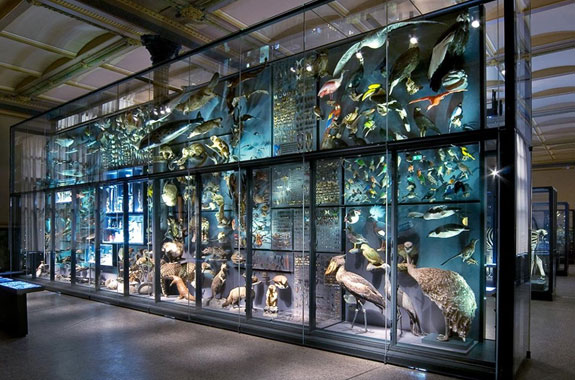
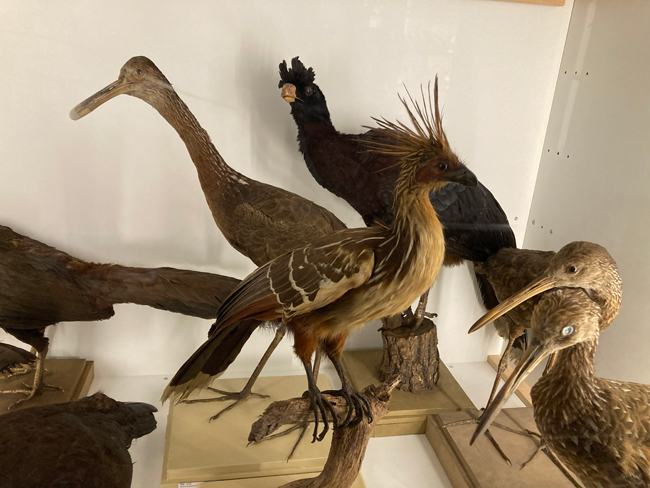
Remarkable Animal Sound Archive Celebrates 75 Years The Museum für Naturkunde Berlin is celebrating the 75th anniversary of its remarkable Animal Sound Archive. This internationally important collection contains more than 120,000 recordings of animal sounds. It is one of the oldest collections of its kind and the third-largest bioacoustic archive in the world. The collection includes recordings from approximately 1,800 bird species and 580 mammal species. In addition, it preserves the sounds of numerous amphibians, reptiles, fish and i. These recordings provide an invaluable scientific resource. They help researchers understand animal behaviour, communication and the complex relationships between species and their environments. The amazing biodiversity gallery at the Museum für Naturkunde Berlin. Picture credit: Carola Radke. Picture credit: Carola Radke The Scientific Importance of Recording Nature Sound plays a vital role in the natural world. Animals use acoustic signals to attract mates, defend territories, warn others of danger and maintain contact with members of their species. Recording these sounds allows scientists to investigate behaviours that might otherwise remain hidden. Furthermore, bioacoustic recordings can help researchers identify species and monitor changes in animal populations. For example, scientists can use recordings to study biodiversity in habitats that are difficult to access. Changes in the sounds recorded within an ecosystem may also provide evidence of environmental disturbance or declining wildlife populations. The Museum für Naturkunde Berlin has an enormous collection of stuffed animals including many birds from around the world. In addition, a huge acoustic archive has been built up capturing the sounds and calls of 1,800 different bird species. Picture credit: Everything Dinosaur. Picture credit: Everything Dinosaur Consequently, preserving animal sounds is becoming increasingly important for conservation. A Remarkable Contribution to Natural History The Animal Sound Archive was founded by German behavioural biologist Günter Tembrock (1918–2011). His pioneering work established the foundations of this extraordinary scientific collection. Over seven decades, the Museum für Naturkunde has developed the archive into a globally significant research resource. Its continued expansion demonstrates the importance of preserving natural history information for future generations. Commenting on this remarkable scientific resource, Mike from Everything Dinosaur stated: “Natural history museums play an essential role in helping us understand the world around us. We often think of museum collections as fossils, skeletons and preserved specimens. However, recording the sounds of living animals is equally valuable. The Museum für Naturkunde deserves enormous credit for developing and maintaining this remarkable archive.” Preserving the Sounds of Nature for Future Generations Modern technologies, including artificial intelligence, are creating exciting opportunities for bioacoustic research. Large collections of recordings can help scientists develop automated methods for identifying animal species and studying their distribution. Importantly, historical recordings provide reference points against which modern ecosystems can be compared. Palaeontologists have used cutting-edge technology to examine the soundscapes of palaeoenvironments. For example, there has been extensive research into dinosaur vocalisation. The vocalisation of hadrosaurs and other dinosaurs: What Sounds Did Dinosaurs Make? Crocodiles react to human sounds of distress: Crocodiles React to the Sound of Crying. The Museum für Naturkunde will commemorate the archive’s anniversary with a scientific colloquium on the 7th of November 2026. Everything Dinosaur congratulates the Museum on this significant milestone. The Animal Sound Archive reminds us that preserving natural history involves more than collecting physical specimens. It also means safeguarding the sounds of the natural world for future scientific study. Everything Dinosaur acknowledges the assistance of a media release from the Museum für Naturkunde in the compilation of this article. Visit the Everything Dinosaur website: Models of Prehistoric Animals. The post Remarkable Animal Sound Archive Celebrates 75 Years first appeared on Everything Dinosaur Blog. https://blog.everythingdinosaur.com/blog/_archives/2026/10/25/remarkable-animal-sound-archive-celebrated.html #soundarchive #animalsound #naturkundeberlin #everythingdinosaur #remarkableanimal #carolaradke #naturalhistory #scientific #naturesound #rss #feeds #linksharing #qwibbit

#soundarchive #animalsound #naturkundeberlin #everythingdinosaur #remarkableanimal

Welcome to DinoFiles spacestr profile!

About Me

Dinosaurs, fossils, and deep-time discoveries. Unofficial automated fan feed. Content belongs to its respective owners; not affiliated with source publishers.

Interests

  • No interests listed.

Videos

Music

My store is coming soon!

Friends