spacestr

🔔 This profile hasn't been claimed yet. If this is your Nostr profile, you can claim it.

Edit
Rock & Gem (Unofficial)
Member since: 2026-10-15
Rock & Gem (Unofficial)
Rock & Gem (Unofficial) 1h

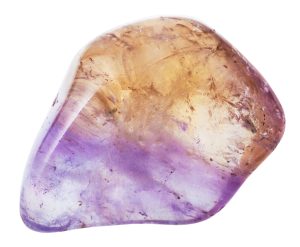
Ametrine: The Bicolor Quartz of Amethyst and Citrine Ametrine is a rare bicolor variety of quartz that naturally combines the violet color of amethyst with the yellow-to-orange color of citrine in a single crystal. Most gem-quality ametrine comes from a remote deposit in Bolivia, where changes during crystal growth produced its distinctive color zoning. When ametrine first appeared on the modern gem market, its unusual combination of colors caused considerable debate over whether the material was natural, synthetic or treated. Today, both natural and laboratory-treated ametrine exist. Understanding how this unusual quartz forms helps explain why its sharply divided colors—and the geometric patterns they create when cut—make it such a distinctive gem. Ametrine Key Takeaways Ametrine is a bicolor variety of quartz that combines purple amethyst and yellow-to-orange citrine in the same crystal. Bolivia is the primary source of gem-quality natural ametrine, from a remote deposit known for its distinctive color zoning. Ametrine’s colors are related to iron impurities in quartz and changes that occur during crystal growth. Natural ametrine can show sharp geometric boundaries between its purple and yellow color zones. Cutting ametrine across its crystal structure can reveal triangular color patterns and allows lapidaries to emphasize or blend the two colors. Ametrine can also be produced through heat treatment, creating material that resembles naturally occurring ametrine. Not all quartz from the Bolivian deposit is ametrine; much of it is colorless, amethyst or opaque quartz. What is Ametrine? The original ametrine crystals are natural and come from quartz veins or stringers in a metamorphic deposit in Bolivia. But we have also figured out how to produce ametrine through heat treatment, which means we can copy nature. Ametrine is a unique form of quartz where two gem colors occur in the same crystal. It is a fun treasure to carve, facet, and use to create jewelry and gem carvings. The introduction of ametrine into the modern gem market came as a surprise, although this unique Bolivian gem deposit had been known to the native peoples in the area for several hundred years. The problem is that the area where the deposit is located is one of the most remote parts of Bolivia. Historical records show the local Ayoreo tribe had found and prized this unusual bi-color stone more than gold. Ametrine History and the Legend of Princess Anahi Heritage Auctions When the Spaniards conquered Bolivia and portions of western South America, they were mainly seeking gold and silver. The ametrine area where the Ayoreo tribe lived was so remote that it was not even visited by Spaniards until the 1600s. Even today, it is not an easily accessible area. Upon arriving in the region of the Ayoreo tribe, a soldier, Don Felipe de Urriola y Goitia, was among the group. Instead of finding gold and silver, all the Spaniards found were bi-colored stones that the locals held in high esteem. It was only when the tribe’s Princess Anhai fell in love with Don Felipe that an event happened that brought the gem to Europe. The Princess was so in love with Don Felipe that she gave him her treasured necklace as a sign of her everlasting love. The necklace pendant was a lovely bi-colored stone. This gift gave rise to the “Legend of Princess Anahi and her love of Don Felipe.” Not finding gold or silver, the Spaniards, including Don Felipe, were ordered back to Spain. This meant Princess Anahi had to stay behind, and that is when she gave the necklace to Felipe. The stone, with its beautiful yellow and violet colors, was a symbol of her undying love for him. There are different versions of what happened upon Don Felipe’s departure. Distraught over her separation, either the Princess disappeared into the mine workings, or she just pined away. When Don Felipe returned to Spain in the 1600s, he gave the bi-colored stone to the Spanish queen, introducing it to Europe. What Causes Ametrine’s Colors? Adobe Stock/ Sergejs Ametrine is found in Russia. But it is not of gem quality anywhere else, so it is not unique as a gem, but unique to Bolivia. The colors in the better stones occur in more or less equal amounts of violet amethyst and yellow citrine. Each colored area is distinctly separate from the colors alternating side by side in the same crystal. Properly cut across the vertical or “C” axis of the crystal, the two colors are often seen as alternating triangular color sections, clearly showing the dramatic difference between the two chemically different forms of quartz. Today, skilled artists have developed cutting methods so these two colors can blend, to create a mixture of the two colors, giving the impression of yet other colors, adding to the enhancement of the stone. But how do we explain the triangular alternating color patterns in the stone that you see when you cut across the long axis of the crystal? The yellow citrine color alternating with the violet amethyst color, with a sharp boundary between the two colors, is quite distinct. Why Does Ametrine Have Two Colors? Remember, quartz is hexagonal in crystal form, so a natural quartz crystal will have six more or less equal sides or prism faces. Each of the six faces on a perfect quartz crystal is topped by triangular termination faces that come to a point. Small modifying faces can change that termination pattern, but internally, the three horizontal axes control the internal triangular arrangement, which meets in the center of the crystal. When you slice ametrine across the vertical to obtain a wafer of quartz, the quartz wafer shows this alternating triangle of violet and yellow-colored sections. Why is this the case? Initially, it was thought these were twinned crystals. When a quartz crystal develops, the atoms form a crystal lattice structure that is a tetrahedron. These stack in an offset, spiraling manner. Later studies showed that ametrine is not internally twinned, so the quartz is a single crystal, and some other mechanism is at work here. We now know those colors are the result of changes in the oxygen electron valence of the iron oxide, which is a common impurity in quartz. The valence shift, which causes the color variations in the oxygen, is due to temperature differences. How Iron Creates Ametrine’s Color During ametrine’s development, quartz crystals change in the temperature of the solution during the crystal’s growth. This caused changes in the iron oxide’s oxygen. Citrine, the yellow form of quartz, is Fe2O3. In amethyst, the iron oxide is Fe3O4, and any change in temperature during crystal growth can result in the iron oxide change resulting in a color change in the quartz. This is because temperature changes affect the outer orbital valence electrons in the iron oxide, and that determines if the quartz is citrine or amethyst. Since ametrine is found in a metamorphic environment, any variations in temperature and pressure within the rock formation during crystal growth can vary the outer orbital electron count of iron oxide, thus varying the color. Where Is Ametrine Found? Adobe Stock/vvoe As mentioned earlier, there was quite a disagreement over ametrine when it first appeared in the late 1970s. This was resolved when someone visited the deposit and collected specimens from a productive vein. A decade later, superb specimens were being marketed as the mine came under development. The ten-year delay is explained when you consider the remoteness of the ametrine location. It could only be reached after an arduous land-water journey, but now by air. The Gemological Institute of America in Carlsbad, California, has created a detailed report on ametrine and the mine site. How Does Quartz Form? To understand what was going on for ametrine to form, you have to understand something about how quartz forms. Like so many crystals, quartz forms from silica-rich solutions that are hot enough to dissolve and hold the silicon dioxide molecules. The problem with quartz and any mineral that forms from a hot solution is that the watery solution is non-discriminating. It dissolves and absorbs anything and everything it encounters. Hydrothermal solutions, as they are called, are never pure. They are rich in a variety of elements and mineral molecules. Pure quartz molecules are simply silicon dioxide, but two elements are easily accommodated by the quartz molecule: aluminum and iron, which can replace some of the silicon atoms. This sets up conditions needed for quartz to have color. Given the unavoidable impurities in hydrothermal solutions, our interest here is with the iron that is an impurity in quartz. In one form, the iron oxide molecules cause quartz to take on a yellow color. In another form, the iron oxide gives quartz a lovely violet color. How can that be? Under normal conditions, an iron atom has an electron pattern of 2-8-14-2. But that next to the last orbital can give up one or two of its fourteen electrons, which then enter the last orbital, joining the two already there. So, iron’s last orbital can hold three or four electrons, each causing a color. That shifting takes energy, which is absorbed from the light entering the quartz. Remember, the quartz veins in the mine have formed under heat and pressure during the metamorphism of the host rock. So, the heat energy from metamorphic action gives those transferring electrons the energy they need to shift, creating a color. How Does Ametrine Develop Its Color Zoning? But why the alternating yellow-violet colors? That is more difficult to explain. As the quartz crystals are developing, the internal geometry of the atoms may vary slightly, perhaps due to the presence of iron oxide. Iron atoms are a different size from silicon atoms, so they slightly distort the atomic structure of the silicon dioxide. That may be part of the cause of the color pattern. We do know that the number of valence electrons in each iron atom is important. Iron valence three gives citrine a yellow color. Iron valence four, in its outer orbital valence, causes the lovely violet color. It takes more energy to achieve iron valence four than iron valence three. So, when the rock-forming process is ongoing, and the temperature varies higher and lower, that temperature difference results in one color, then the other forming, and the crystal becomes bi-colored. The Unique Ametrine Deposit in Bolivia But something else must be going on within the quartz crystals in this deposit to give the quartz the lovely geometric zoning of two colors. This zoning pattern only occurs in about one-third of the quartz mined here; the rest is colorless, amethyst or opaque quartz. Once scientists figured out what caused the citrine-amethyst colors in this quartz, it didn’t take them long to replicate it in the lab. You can not tell the difference between natural and treated ametrine visually, but pricing would make it obvious. Natural ametrine is very costly, and understandably so. The site is still remote. Even the early Spaniards did not enter the region early during their invasion. Even today, with an airstrip nearby, it is still more than a three-hour flight to reach the site. The mine owner had to install an airstrip to get equipment in and product to the market. Ametrine Frequently Asked Questions What is ametrine? Ametrine is a bicolor variety of quartz that contains both purple amethyst and yellow-to-orange citrine in a single crystal. Its two distinct colors are what give this unusual quartz its name and visual appeal. Where is ametrine found? The most important source of gem-quality natural ametrine is a remote deposit in Bolivia. The original ametrine crystals come from quartz veins or stringers within a metamorphic deposit. Why is ametrine purple and yellow? Ametrine’s purple and yellow colors are associated with iron impurities in quartz and conditions that change during crystal growth. Differences within the growing crystal produce the distinct color zones associated with ametrine. Is ametrine natural? Yes. Natural ametrine occurs in nature, particularly in Bolivia. Ametrine can also be produced through heat treatment, so both natural and treated material are found in the gem market. Is ametrine a type of quartz? Yes. Ametrine is a bicolor form of quartz. Its two colors correspond to the purple of amethyst and the yellow color of citrine. What colors does ametrine come in? Ametrine typically combines purple or violet amethyst with yellow to orange citrine. In well-defined crystals, the two colors can occur in distinct zones within the same quartz crystal. Why does ametrine have triangular color patterns? When an ametrine crystal is cut across its vertical axis, its internal color zoning can appear as alternating triangular sections of purple and yellow. The geometry is related to the internal structure and growth of the quartz crystal. Is ametrine valuable? Natural ametrine can be valuable, particularly when it displays strong, well-defined color zoning and comes from the limited natural supply. Treated ametrine is also available, and the two types can be difficult to distinguish visually. Final Thoughts Ametrine stands out among quartz varieties because two familiar gem colors occur naturally within a single crystal. Its combination of amethyst’s purple and citrine’s yellow, along with the geometric zoning revealed by cutting, makes each natural crystal a fascinating example of how conditions during mineral growth can influence color. The exact processes responsible for ametrine’s distinctive color zoning are part of what makes this Bolivian quartz deposit so intriguing. Whether encountered as a natural crystal, a faceted gemstone or a carefully cut carving, ametrine offers collectors and gem enthusiasts an unusual look at the relationship between crystal structure, chemistry and color. Love learning about unusual minerals and gemstones? Subscribe to Rock & Gem for more stories about Earth’s treasures, mineral science, collecting and lapidary arts. Story by Bob Jones. The post Ametrine: The Bicolor Quartz of Amethyst and Citrine first appeared on Rock & Gem Magazine. https://www.rockngem.com/ametrine/ #ametrine #quartz #bicolorquartz #citrine #bolivia #natural #keytakeaways #rss #feeds #linksharing #qwibbit
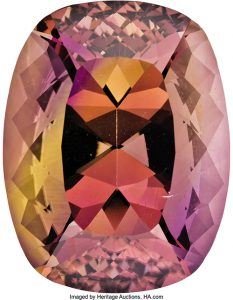
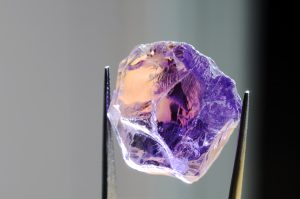
#ametrine #quartz #bicolorquartz #citrine #bolivia
Rock & Gem (Unofficial)
Rock & Gem (Unofficial) 2h

Citrine Stone: Faceting Shield of the Heart Design Faceting citrine stone using the Shield of the Heart design is one of the exercises in Twelve Easy Gemstone Faceting Designs, A Guide for the Beginner Gemcutter. Written as a learning tool for beginner faceters, the book introduces twelve designs that progressively develop gemstone-cutting skills. The Shield of the Heart is the eighth design, helping students learn to bring facets together at points while creating a beautiful gemstone with only 31 facets. Citrine Stone: Key Takeaways The Shield of the Heart is a beginner-friendly gemstone faceting design featuring 31 facets. The design is the eighth in Twelve Easy Gemstone Faceting Designs and helps develop faceting skills by having facets meet at points. Beginner faceters can build their skills through lessons, reference materials, mentorship and practice. Pin this post to save this information for later. Learning to facet gemstones can be rewarding and fascinating. The best way to get started is by taking faceting lessons, using current reference materials, having a mentor and dedicating the time necessary to practice the skills needed to master the art. Faceting Lessons Faceting lessons are available from a variety of places, including private and group lessons, lapidary clubs, faceting guilds and online tutorials. Lessons are a great way to learn the basics and avoid forming bad habits. Once you learn the basics, using your faceting machine manual and Tom Herbst’s book, Amateur Gemstone Faceting Volume 1: The Essentials and the Twelve Easy Gemstone Faceting Designs, you will be on your way with your gemstone faceting journey. Mapping Progress The Twelve Easy Gemstone Faceting Designs was conceived as a process map for faceting students to practice. The book has basic faceting information on gemstone refractive indices and critical angles for gemstones. There is also a short article on buying facet rough to help the beginner faceter make wise facet rough purchases. Mark Oros The twelve gemstone designs progress from simple to complex, allowing the faceting student to gain skills while increasing confidence. The progression of designs also introduces new gemstone materials including quartz, opal, topaz, beryl and tourmaline. This allows students to see the different grit progressions and polishes that are used on a variety of stones. To make the twelve-gemstone sequence easy and affordable, facet rough dealer Storied Gemstones has put together a parcel of gemstones that match the designs. After mastering the twelve gemstones, the faceting student will have gained essential skills that will lead them to enjoy their faceting hobby or profession even more. Finding a Mentor When learning to facet gemstones, it is important to find a mentor to guide you. Faceting gemstones is an exercise in problem-solving. Having a mentor to guide and answer questions is critical to accelerating your ability to facet gemstones. To set yourself up for success, take the time to do your research in choosing an instructor and mentor, get yourself acquainted with the current reference materials available, and practice, practice, practice! If you have questions about this article or getting started in gemstone faceting, please contact me at https://www.hashnustones. com/contact-us.html Resources Free download of the Twelve Easy Gemstone Faceting Designs book – https://www.hashnustones.com/twelve-stones1.html Storied Gemstones facet rough beginner parcels – https://storiedgemstones.com Gemstone Faceting Lessons – https://www.hashnustones.com/learn-to-facet.html Additional gemstone design books by Andrew Ian Brown – https://facetingdesigns.com/ This story about faceting citrine stone previously appeared in Rock & Gem magazine. Click here to subscribe. Story and photos by Mark Oros. The post Citrine Stone: Faceting Shield of the Heart Design first appeared on Rock & Gem Magazine. https://www.rockngem.com/faceting-citrine-stone-shield-of-the-heart-design/ #faceting #heartdesign #gemstonefaceting #citrinestone #twelveeasy #shield #designs #gemstones #lessons #beginner #rss #feeds #linksharing #qwibbit

#faceting #heartdesign #gemstonefaceting #citrinestone #twelveeasy
Rock & Gem (Unofficial)
Rock & Gem (Unofficial) 3h

Citrine Quartz Field Guide Citrine quartz is a yellow to orange variety of quartz (SiO2). It ranks a 7 on the Mohs hardness scale. True natural citrine ranges in color from pale lemon to deep golden honey, with transparency from translucent to transparent and a vitreous luster. Crystals often form in prismatic shapes with six-sided symmetry. Rare combination of citrine on danburite (2.8 x 2.2 x 1.5 cm) from the Aurora Mine in Mexico. Ex. Kyle Kevorkian. Arkenstone, iRocks.com Key Takeaways Citrine quartz is a yellow to orange variety of quartz colored by trace amounts of iron and natural heat within the Earth. Natural citrine is relatively rare, with notable sources including Brazil, Madagascar, Zambia, Russia and Spain. Much of the citrine sold today is heat-treated amethyst or smoky quartz rather than natural citrine. Natural citrine typically displays pale yellow to golden honey colors, while treated material often shows deeper orange or reddish tones. Understanding color, crystal habit and treatment disclosure can help collectors identify genuine citrine quartz gems. Citrine Quartz Formation & Origins Composed of silicon dioxide, natural citrine forms when trace amounts of iron are incorporated during crystallization, followed by exposure to natural heat from the Earth. This heating alters the iron’s oxidation state, producing citrine’s characteristic yellow hues. Although quartz is a common mineral, genuine citrine is relatively rare. Notable natural sources include Brazil, Madagascar, Zambia, Russia and Spain. Historically, citrine has been known and used since ancient times, valued for both its beauty and perceived protective qualities. The name comes from the French word citron, meaning lemon. Uses of Citrine Quartz in Jewelry & Collections Citrine’s primary use is decorative and is popular as a gemstone in rings, pendants, earrings, and beads because it is durable enough for jewelry and everyday wear. Its warm color pairs well with both yellow and white metals. Larger crystals and clusters are also popular among mineral collectors. Elbaite in citrine with lepidolite from the Pederneira mine, Minas Gerais, Brazil (approximately 16 cm tall). Arkenstone, iRocks.com Metaphysical Lore of Citrine Quartz In crystal lore, citrine is often associated with abundance, creativity and personal power. It is sometimes called the “merchant’s stone,” believed to attract prosperity and success. Natural Citrine Quartz vs Heat-Treated Amethyst Much of the “citrine” on the market is not natural. The most common imitation is heat-treated amethyst or smoky quartz, which turns yellow or orange when exposed to high temperatures. Less commonly, quartz may be artificially irradiated to enhance or alter color. Heat-treated amethyst and smoky quartz are still quartz and perfectly acceptable in jewelry, just not the same as natural citrine. Citrine Quartz Collector’s Notes Because natural citrine is scarce, provenance, color consistency, and crystal habit are key indicators of authenticity. Understanding the difference between natural and treated material helps collectors make informed choices and appreciate citrine for its beauty. Collectors should expect that natural, untreated citrine is far more expensive than the heat-treated counterpart. Japan Law twinned citrine from Mansa, Zambia. (197 mm across). Arkenstone, iRocks.com How to Identify Real Citrine Quartz 1. Color of Natural Citrine Quartz Natural citrine typically appears pale yellow to soft golden honey. Bright orange, reddish-brown, or “burnt” tones are strong indicators of heat-treated amethyst. 2. Base Characteristics of Citrine Quartz Heat-treated amethyst typically shows a white or milky base with concentrated color near the crystal tips. Natural citrine usually displays more even color throughout the crystal. 3. Crystal Habit of Citrine Quartz Natural citrine is more often found as individual single crystals or small clusters. Large, dramatic geodes labeled as citrine are almost always treated amethyst. 4. Treatment Disclosure in Citrine Quartz Most commercial citrine on the market has been heat-treated. Reputable dealers will disclose whether a stone is natural or treated. 5. Rarity of Natural Citrine Quartz If the price seems too good for richly colored “citrine,” it probably isn’t natural. Frequently Asked Questions What is citrine quartz? Citrine quartz is a yellow to orange variety of quartz (SiO2). Its color is produced by trace amounts of iron that have been altered through natural heating processes within the Earth. Is natural citrine rare? Yes. While quartz is abundant, natural citrine is relatively uncommon. Most citrine available in the gemstone market is heat-treated amethyst or smoky quartz. How can you tell if citrine is natural? Natural citrine usually displays soft yellow to golden hues and more even coloration throughout the crystal. Heat-treated amethyst often shows darker orange tones and concentrated color near the crystal tips. Is heat-treated citrine real quartz? Yes. Heat-treated citrine is still quartz. However, it is not considered natural citrine because its color was produced through artificial heating rather than natural geological processes. Where is citrine quartz found? Important sources of natural citrine include Brazil, Madagascar, Zambia, Russia and Spain. Smaller deposits occur in other quartz-producing regions around the world. Final Thoughts With its warm golden hues and long history of admiration, citrine quartz remains one of the most recognizable varieties of quartz. While natural citrine is relatively rare, understanding its formation, appearance and common treatments can help collectors distinguish genuine material from heat-treated alternatives. Whether appreciated as a gemstone, mineral specimen or collector’s treasure, citrine quartz continues to be valued for its beauty, durability and unique place in the quartz family. This citrine quartz field guide previously appeared in Rock & Gem magazine. Click here to subscribe. Story by Dr. Stuart Mills and Pam Freeman. The post Citrine Quartz Field Guide first appeared on Rock & Gem Magazine. https://www.rockngem.com/citrine-quartz-field-guide/ #citrinequartz #naturalcitrine #brazil #amethyst #takeawayscitrine #quartzformation #collectionscitrine #jewelry #madagascar #zambia #rss #feeds #linksharing #qwibbit

#citrinequartz #naturalcitrine #brazil #amethyst #takeawayscitrine
Rock & Gem (Unofficial)
Rock & Gem (Unofficial) 3h

Hallelujah Junction Mine: Quartz is King Hallelujah Junction Mine is a place where quartz is king. Located on Petersen Mountain, the mine is known for abundant pockets of smoky quartz, amethyst and citrine, often found as large crystal scepters. For rockhounds, the opportunity to dig for these exceptional specimens is a sought-after experience. Situated on Petersen Mountain, along the border of Nevada and California, please note there are multiple private mining claims in this area. Respecting these claims is a professional courtesy and removing materials from a staked claim is a federal offense. With that said, there are also paid dig opportunities allowing professionals and avid enthusiasts to look for their own specimens. Key Takeaways Hallelujah Junction Mine, located on Petersen Mountain along the Nevada-California border, is known for abundant pockets of smoky quartz, amethyst and citrine. The area is especially prized for its large quartz crystal scepters, some of which are unusually large and well formed. The quartz deposits formed through multiple episodes of silica-rich fluid deposition associated with magmatic activity. Although the mining claims are privately owned, some claim operators offer paid digging opportunities, typically from mid-May to mid-June. Reaching the mine requires careful planning, a high-clearance 4WD vehicle and preparation for challenging desert conditions. Pin this post to save this information for later. Crystal Scepters at Hallelujah Junction Among the realm of myth and legend, crystal scepters are symbols of power and royalty, and in ancient stories, they were used in the fabled continents of Atlantis and Lemuria as a symbol of authority. “There’s nowhere like it on earth,” says Ian Merkel, a professional geologist who has been visiting Hallelujah Junction for 16 years. He notes that the size of the scepters found at Hallelujah Junction is rare to see anywhere else. “It’s very magical. We get some big ones,” says Ryan Anderson, one of the five partners in the southern section of the block of mining claims. “It’s a special place just to be.” Getting its Name The area to dig was dubbed “Hallelujah Junction” because the closest place to meet at the bottom of the mountain is Hallelujah Junction, California. The bounty of quartz specimens atop Petersen Mountain was initially recognized as early as the 1940s. By the early 1980s, Jon Johnson and Foster Hallman, who passed in 2018, staked official claims in the area. Merkel notes that Hallman staked out to the north and Johnson was on the south end. “Both sides added an additional contiguous claim for dumping onto and exploring.” Anderson is part of the partnership with Johnson, while Merkel works with the northern aspect of the claims. “We’re all friends,” says Merkel. “The two sections are quite different.” Hallelujah Junction faceted tricolor gemstone (Mark Oros) The Reason Behind the Abundance at Hallelujah Junction The geological explanation of why this is such a unique area can fill a book, yet questions remain on the complex systems required to create the large and abundant scepters. “It happened deep within the earth. There were multiple outgassing/depositional events,” says Merkel. At its base, quartz is crystallized silicon dioxide. The extent of its growth, as well as its shape and color, depend on multiple factors. Merkel points out that these crystals were deposited from silica-rich fluids. Both are dependent upon magmatic activity heating the rock or the water, followed by cooling to the crystallized form. The area around Hallelujah Junction is primarily made up of granodiorite, an intrusive igneous rock, indicative of an example of slow-cooling crystallization. Different types of quartz are formed when other elements or impurities become part of the process. For instance, when there is iron within the quartz crystals, and it is exposed to radiation, the result is purple amethyst. Large Amethyst Specimen from Ryan’s Mine Smoky quartz is generally created with just the presence of aluminum and then radiation that affects the pure white or colorless quartz. Citrine’s exact formation conditions are still being investigated. In the Hallelujah Junction area, other minerals, such as pyrite, mica and chlorite, add to the different appearance of some of the crystal groups and scepters. A Day in the Desert As with all mining, it’s never easy. The first challenge is reaching the site. It is 35 miles from Reno, Nevada, along California State Route 395 then east to the access road — Greasy Hill Road. While the surrounding terrain looks firm, this steep and windy route is practically impassable when wet. Even on dry days, vehicles have been known to stall and roll, making a higher wheelbase 4WD vehicle highly recommended. The typical desert landscape is dominated by sagebrush and bitterbrush. The top of Petersen Mountain reaches 7857 feet, offering breathtaking views overlooking an enormous valley with creek bottoms and lakes that can be seen in the distance. One thing the claim sites do not have is many trees, and with the exposed nature of the terrain, wind is an issue. At the height of the summer, heat is a critical concern, and thunderstorms regularly send people scrambling for cover. Hallelujah Junction mine – Photo by Brendan Traw Why Dig at Hallelujah Junction? The reason people make the effort to visit is for the exceptional digging experience. For Anderson, who is a trained musician, his interest began in his early 20s. He says, his friend’s teacher told him about Petersen Mountain, so he and his friend went to check it out. “We found (dump) piles and found some things,” he shares. “It ignited a passion I didn’t know existed.” From then on, he spent every spare moment in the dirt. When it comes to digging at Hallelujah Junction, it’s a matter of reading the terrain. Anderson says there are thousands of crystals and hundreds of pockets. “They’re always subtle signs from the veins,” explains Merkel who says alteration zones project from outside of the veins, which can give a sign that there’s something there. At this point, it’s a dance between man and machine to efficiently reach the deposit without harming the structure. “I have a tight relationship with those on the machine,” he says. When he is digging, they are constantly keeping an eye on each other, and once Merkel notices anything of interest and gives the signal, it’s less than a second before the machine is stopped. Then the fun begins. “Let’s go see what we’re looking at,” he says. This could be anything from a three-inch pocket of quartz to one that is 15 feet across. “Breccias are like that.” Unearthing Scepters at Hallelujah Junction A pocket filled with scepters is the dream of everyone who mines on the mountain. Like a cave filled with treasure, there could be scepters jutting out from all directions, along with deposits of quartz crystals. “The unearthing of the scepter is definitely my favorite part. It’s a treasure,” says Anderson. Excavating everything within a pocket is when the detail work begins. Merkel notes, “You always have to be really careful. When I see people scraping pockets with screwdrivers, I get nervous.” Hand-digging or gently prying with chopsticks is better. Faceted scepter from Ryan’s Mine Sharing with Rockhounds Stepping wholeheartedly into this realm of rock hunting, Anderson shares this passion with other rock enthusiasts. Although Hallelujah Junction claims are privately owned, Anderson and his partners allow paid mining typically from mid-May to mid-June. Popularity has grown through word-of-mouth. “I’ve been all over the country, and (Hallelujah Junction) is one of my favorites, for sure,” says Bryan Major, who produces The Crystal Collector, a popular YouTube channel. He says he knew from his first experience that once the claim crew scraped the walls with the excavator, you had to be ready for a heavy day of digging. He and his friends found several fist-sized amethysts and amethyst/citrine combinations as they dug into pockets along the wall. “You follow the signs,” he says, noting that sometimes there are individual specimens, while other areas might hold larger pockets. “There were a couple of nice scepters found,” he says. And one of his favorites of the day was an amethyst with a water bubble inside of it. “I don’t know of any place that’s better (for amethyst).” It’s sometimes hard to believe that a veritable treasure sits atop a mountain with views overlooking the iconic Southwestern landscape. While nothing comes easy, those who have the opportunity to try their hand at Hallelujah Junction gain a great appreciation for these enormous and abundant gemstones and oftentimes bring these specimens home. This story about Hallelujah Junction Mine appeared in Rock & Gem magazine. Click here to subscribe. Story by Amy Grisak. The post Hallelujah Junction Mine: Quartz is King first appeared on Rock & Gem Magazine. https://www.rockngem.com/hallelujah-junction-mine-quartz-is-king/ #hallelujahjunction #junctionmine #petersenmountain #quartz #king #crystalscepters #merkel #takeawayshallelujah #johnson #california #rss #feeds #linksharing #qwibbit

#hallelujahjunction #junctionmine #petersenmountain #quartz #king
Rock & Gem (Unofficial)
Rock & Gem (Unofficial) 11d

Can Gemstone Rings Get Wet? Things You Need To Know Gemstone rings can get wet, but not all of them are water-friendly! Some stones can handle a little water, while others need more care. Before washing your hands or jumping into the shower, it’s good to know what your ring can handle. It really depends on the type of gemstone, the metal, the finish, and whether that stone itself has been treated. It’s better to be safe and protect your gems from being damaged – especially if it’s expensive (or irreplaceable because of sentimental value!). Does That Mean Water Is A Problem? Water alone may be safe, but the things found in it can still cause damage. Soap, shampoo, chlorine, salt, and cleaning agents may affect the stone or the metal. Water can also stay under the gemstone and leave behind dirt which makes the ring look less shiny. What to watch out for: Soap and shampoo: They can leave a film on the gemstone. Lotion: It can leave a layer and make it more dull. Chlorine: It may damage certain metals, finishes, and jewelry materials. Salt water: It can leave salt residue and contribute to corrosion in some metals. Heat and repeated moisture: Holds a risk for certain delicate or treated stones. Removing your ring before washing or using with chemicals is a simple way to prevent damage later, and make it more long lasting. A little extra care goes a long way in keeping your favorite jewelry shiny and beautiful! Not All Gemstones Are the Same Gemstones also come in all kinds of colors and are made of different materials. Some get their color from tiny amounts of minerals while others have their own natural shades. These differences can affect how each stone reacts to water, heat, and daily wear. So even if two gemstones look alike, they may need very different care! Some gemstones are stronger than others, so it helps to know what stone you have. Sapphire, garnet, and quartz are quite tough, but they can still get damaged. Other stones need a little extra care to be sure it’s still in good condition. Sapphire: Generally durable, although treatments can affect its care. Garnet: If you are choosing garnet rings from Drunk Angel, check the gemstone and metal details of the individual piece before deciding how to clean it. Care should suit the whole ring, including its setting and finish. Quartz: Often durable enough for everyday use, depending on its condition. Moonstone and labradorite: Need care because they can chip or crack if hit. Opal: May be sensitive to changes in temperature and moisture, depending on its type. Turquoise: Can be porous and may be affected by chemicals or treatments. Fluorite: Relatively soft, so it scratches and chips more easily. Keeping silver jewelry shiny and clean is easy with a little care. Start by wiping it with a soft, dry cloth to remove dirt and buildup. If tarnish appears, gently polish it with a silver cleaning cloth or a jewelry care kit. You can also use a cleaner for silver pieces that are safe for this cleaning method. One important thing to remember is that hardness does not mean a gemstone is waterproof. A stone may resist scratches but still be sensitive to chemicals, cracks, or changes in moisture. Learning about your specific gemstone is much more helpful than following one rule for every ring. Is It Okay to Wear Gemstone Rings in the Shower? It’s always a good idea to take your ring off before showering, even if the gemstone is known to be strong and durable. Soap, shampoo, and conditioner can build up on the stone and make it look cloudy or less shiny. Repeated exposure to warm water and personal care products can also affect delicate materials and metal finishes. You might not notice damage after one shower, but repeated exposure can cause problems over time. It is easier to leave your ring somewhere safe than to spend extra money repairing or cleaning it later. What About Swimming Pools and Hot Tubs? It is best to remove your ring before swimming. Pool water contains chlorine and other chemicals, while hot tubs may expose jewelry to warm water and additional cleaning chemicals. These can affect certain gemstones, metal finishes, and adhesives. Here are a few reasons to leave your jewelry behind: Chemicals may damage and corrode the jewelry and its materials. Gold plating can become tarnished and wear down over time. A loose stone may become harder to notice if it falls out. Prone to accidents, like the gems may slip off while swimming. Basically, swimming without your jewelry is the safest choice. Even if your gemstone is durable, there is no need to take the risk when you can store it safely beforehand. Is Ocean Water Safe for Gemstone Jewelries? Ocean water is not a good choice for gemstone jewelry. Salt can collect on the ring, and repeated exposure may contribute to corrosion in certain metals. Sand can also scratch softer stones or worn metal finishes. Most importantly, your ring can easily slip off while you swim. For a carefree beach day, it’s best to leave the jewel safely at home or tuck it away in a secure spot. That way, there’s more time to soak up the sunshine, feel the ocean breeze, and enjoy the waves without worrying about losing a precious piece of jewelry! Do You Need to Remove Your Ring Every Time You Wash Your Hands? Not necessarily! For many durable gemstone jewelry, occasional contact with clean water during hand washing is usually fine. You do not need to worry every time you wash your hands. Just be mindful to: Use mild soap instead of harsh cleaning products. Rinse away soap that collects around the stone. Dry your jewels gently with a soft cloth. Check occasionally for any loose stones or buildup. The metal matters, too. Sterling silver can tarnish, while gold-plated jewelry and gold vermeil can lose their outer gold layer with repeated wear and exposure. Solid gold is generally more resistant to tarnishing, but harsh chemicals can still cause problems. Normal hand washing is not something to stress about, but drying your jewelry properly is a good habit. What If Your Gemstone Has Been Treated? Some gemstones are dyed, coated, stabilized, or filled to improve their appearance. These treatments may make them more sensitive to water, chemicals, or certain cleaning methods. Even a gemstone that is normally durable may need special care if it has been treated. If you are unsure about the origins of the gemstone, check the seller’s care instructions or ask a jeweler. This is especially important when buying gemstone jewelry online because the product description may not explain every detail about the stone or its treatment. Better to be safe than sorry. What Should You Do If Your Ring Gets Wet? First of all: Do NOT panic! A little water does not automatically mean your ring is damaged. Here is what you can do: Dry it gently. Use a clean, soft cloth to remove moisture. Avoid strong heat. Do not use a hair dryer or expose the ring to sudden temperature changes. Check the setting. Look for loose stones, cracks, or changes in appearance. Clean it carefully. Choose a cleaning method suitable for your particular gemstone and metal. Ask a jeweler if needed. If the stone looks different or feels loose, get it checked before wearing it again. Gemstone rings won’t fall apart from a single drop of water, but they still need a little love and care! It’s best to take them off before showering, swimming, or using harsh chemicals and learn what works best for each stone. With a few simple habits, these gems can stay shiny and beautiful for years. Some gemstones and metals can naturally change or tarnish over time, so a little extra care and attention can go a long way in keeping them looking their best! https://katekoel.com/blogs/good-read-jewelry-journal/can-i-wear-jewelry-in-shower-pool https://mejuri.com/ph/en/support/jewelry-care1 https://www.jewelers.org/buying-jewelry/jewelry-repair-and-care/jewelry-care https://www.cartier.com/en-ca/services/jewelry/day-to-day-advice/care-recommendations https://naturalhistory.si.edu/education/teaching-resources/earth-science/gems-and-minerals-beauties-and-building-blocks The post Can Gemstone Rings Get Wet? Things You Need To Know first appeared on Rock & Gem Magazine. https://www.rockngem.com/can-gemstone-rings-get-wet/ #getwet #gemstone #need #care #know #water #may #samegemstones #rss #feeds #linksharing #qwibbit

#getwet #gemstone #need #care #know
Rock & Gem (Unofficial)
Rock & Gem (Unofficial) 11d

Alien Eye Fluorite Field Guide Alien eye fluorite is a rare variety of fluorite from Namibia known for its distinctive green colored, diamond-shaped centers surrounded by dark outer zones. These contrasting bands resemble alien eyes, giving the mineral its unusual name and making it a sought-after specimen among mineral collectors. Under ultraviolet (UV) light, alien eye fluorite can also fluoresce a striking royal blue. Key Takeaways Origin: Alien eye fluorite was discovered in the Erongo Region of Namibia in a pocket found in 2007. Appearance: Dark outer zones surround vivid green, diamond-shaped centers that resemble alien eyes. Formation: Chemical variations during crystal growth created the mineral’s distinctive color zoning. Fluorescence: Under longwave ultraviolet (UV) light, alien eye fluorite can glow royal blue. Mineral properties: Like other fluorite, it has a Mohs hardness of 4 and perfect cleavage in four directions. Pin this post to save this information for later. Where Is Alien Eye Fluorite Found? Alien eye fluorite comes from the Erongo Region of Namibia. All of this special fluorite was found in what is known as the “Alien” or “Alien Eye” pocket in 2007 and is one of the most sought-after finds in mineral collecting. This small pocket contained fewer than 30 fine specimens. The largest and most spectacular specimen, known as “Eyes of Africa,” stands about 2 feet tall. Discovered by miner Herold Gariseb, it is on display in the Lyda Hill Gems and Minerals Hall at the Perot Museum of Nature and Science in Dallas, Texas. How Does Alien Eye Fluorite Form? Erongo Mountain was an active volcano 140 to 150 million years ago. As the magma-filled chamber and element-rich waters began to slowly cool, alien eye fluorite and other aesthetic minerals such as tourmaline, quartz, and aquamarine grew within the pockets. Fluorite is composed of calcium fluoride (CaF2 ) and belongs to the halide mineral group. Alien eye fluorite’s rings are formed through zoning. As the crystals grow, variations in chemical composition and environmental conditions result in different layers forming. These layers reflect light differently, giving rise to alien eye fluorite’s distinctive banding patterns. Courtesy The Arkenstone Color & Fluorescence One of the most distinctive properties of fluorite is its fluorescence under ultraviolet (UV) light. Alien eye fluorite is no exception and glows an ‘eerie’ royal blue under longwave UV light. This phenomenon is caused by the replacement of calcium by europium ions. Alien eye on quartz from Namibia. Arkenstone specimen, Lazslo Kupi photo Alien Eye Fluorite Physical Properties Fluorite is a relatively ‘soft’ mineral, having a Mohs hardness of 4. It also displays perfect cleavage in four directions, which means it can be easily split into octahedral fragments. Fluorite can range from transparent to translucent, with some specimens exhibiting exceptional clarity. Fluorite has many uses, including in industry as a flux for smelting, in the production of glasses and enamels, and is also used as a gemstone. Eye of Africa courtesy Perot Museum of Nature and Science, photo by James Elliott Alien Eye Fluorite Metaphysical Beliefs For metaphysical believers, alien eye fluorite is said to possess protective properties; it is often used in crystal healing and energy work. Advocates suggest that alien eye fluorite can aid in spiritual awakening, enhance intuition and promote mental clarity. FAQs About Alien Eye Fluorite What is alien eye fluorite? Alien eye fluorite is a distinctive variety of fluorite from Namibia, recognized by its dark outer zones and green, diamond-shaped centers that resemble eyes. Where does alien eye fluorite come from? Alien eye fluorite comes from the Erongo Region of Namibia. The well-known specimens were recovered from a small pocket discovered in 2007. Does alien eye fluorite glow under UV light? Yes. Alien eye fluorite can fluoresce royal blue under longwave ultraviolet (UV) light. This response is associated with trace elements, including europium, in the mineral’s crystal structure. How hard is alien eye fluorite? Alien eye fluorite has a Mohs hardness of 4, like other fluorite. It also has perfect cleavage in four directions, so specimens should be handled carefully to avoid breaking or chipping them. Alien eye fluorite stands out for its sharply contrasting green centers and dark outer zones, a distinctive pattern found in specimens from Namibia’s Erongo Region. Its limited discovery, unusual crystal zoning and blue fluorescence under longwave UV light make it a memorable addition to a mineral collection. For collectors, these features are what distinguish alien eye fluorite from more common fluorite specimens. This article was written for Rock & Gem magazine. Click here to subscribe. Story by Dr. Stuart Mills and Pam Freeman. The post Alien Eye Fluorite Field Guide first appeared on Rock & Gem Magazine. https://www.rockngem.com/alien-eye-fluorite-field-guide/ #alieneye #eyefluorite #mineral #namibia #erongoregion #found #takeawaysorigin #fluorescence #properties #dark #rss #feeds #linksharing #qwibbit

#alieneye #eyefluorite #mineral #namibia #erongoregion
Rock & Gem (Unofficial)
Rock & Gem (Unofficial) 11d

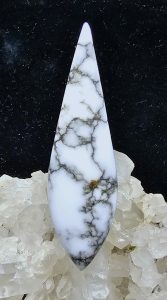
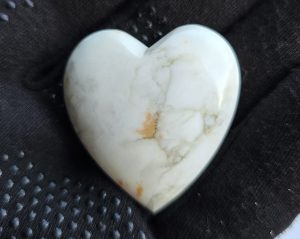
Tick Canyon Howlite: From Waste to Gem Howlite was first discovered in Nova Scotia in 1868 by Henry How, who originally named the mineral silicoboro-calcite. How’s discovery inspired the name howlite. Since then, Tick Canyon in Los Angeles County, northwest of Pasadena, has become a well-known source of this distinctive white mineral, often marked with black or brown veins. The Accidental Discovery of Tick Canyon Howlite The discovery of borate deposits led to the development of the Sterling Borax Mine in Tick Canyon. Borate minerals have properties that make them economically valuable, and mining operations continued for more than a decade. Howlite was a byproduct of these operations. The mine focused on borate minerals and discarded howlite as waste. Rockhounds and collectors later recognized its value as a lapidary material, appreciating its aesthetic porcelain-white color and distinctive dark veining. How to Spot Dyed Howlite Sold as Turquoise If you have ever been to a rock and gem show, you might find different beads, carvings, or jewelry sold as genuine turquoise at low prices. If you think they are too good to be true, that might be the case. There are shortcuts everywhere, and here is no exception. Throughout history, turquoise has been such an unmistakable and highly sought-after stone that prices have almost always reflected this. Because of the porosity and similarities in pattern, many learn how to make turquoise using howlite that has been dyed and used as a cheaper substitute to sell at these higher prices. Here are a few tricks to spot the stand-in. First, notice the difference in hardness. Howlite has a hardness of about 3.5 on the Mohs scale; turquoise can range from 5 to 6. If given the chance to scratch howlite, it will be scratched easily; genuine turquoise is more resistant to scratching. Soaking acetone on cotton and rubbing it against the stone will produce blue on the swab or a whiter patch on the stone if you have an imitation turquoise. This test should be done with caution, because it can damage the stone. My best advice is to ask the seller for information about the stone, such as the name and location. If you feel skeptical, you might be right. How to Cut and Shape Tick Canyon Howlite Slabbing this material is simple because there is no wrong direction to slab on the saw. Depending on the size of your rough, either clamp it tightly on a larger blade or choose to manually push through on a smaller saw. Generally, I choose to pick softball-sized chunks to cut on my 10-inch blade because of how quick and easy each cut is. That way, if I’m left unsatisfied by the cut, I can change direction to find the visually best patterns possible. Be sure to use water instead of oil for your blade, as the oil might cause some discoloration from the typical porcelain white color. Howlite is a great material to practice with when working with softer materials because of its low cost and hardness. Even so, I would suggest starting on a used 80-grit or 220-grit steel wheel and slowly getting a feel for how quickly it grinds away. I typically skip onto the 140-grit soft resin wheel and continue my shaping there. At this stage, I focus on shaping the girdle and dome, taking care not to sand away my desired design. Following this stage is the 280-grit soft resin wheel to remove any scratches remaining. Because of the pearly white, make sure you have a well-lit station to carefully observe the stone. I’ve let scratches pass, assuming I removed them all. Polishing & Finishing Your Tick Canyon Cab Now you can continue onto the 600-grit soft resin wheel to prepare your pre-polishing and continue onward to your routine polishing set-up. You can end on either 8000 or 14,000 grit, leaving you with a gorgeous high polish. You can also use Zam polishing compound to give it that extra boost. Tick Canyon howlite offers rockhounds an affordable material for cutting and polishing while showcasing the distinctive veining that makes each piece different. What was once discarded as mining waste is now a useful lapidary material for collectors and cabochon makers. This story about Tick Canyon howlite previously appeared in Rock & Gem magazine. Click here to subscribe. Story by Ben Kaniuth. The post Tick Canyon Howlite: From Waste to Gem first appeared on Rock & Gem Magazine. https://www.rockngem.com/tick-canyon-howlite/ #tickcanyon #canyonhowlite #waste #gem #turquoise #novascotia #because #shapetick #discovery #cut #rss #feeds #linksharing #qwibbit
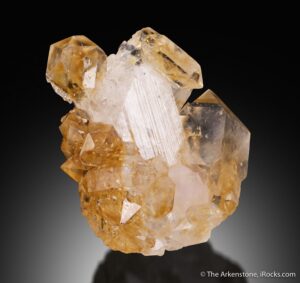
#tickcanyon #canyonhowlite #waste #gem #turquoise
Rock & Gem (Unofficial)
Rock & Gem (Unofficial) 12d

Transylvania Minerals: Gothic Beauty Transylvania minerals offer rockhounds a fascinating mix of rare gold tellurides, vivid red realgar, pink rhodochrosite and colorful fluorite. Located in the heart of Romania, Transylvania is known for its Carpathian Mountains, volcanic geology and Dracula legends. Its historic mining districts have also produced notable mineral specimens that helped shape the region’s place in mineralogical history as one of Europe’s most mineral-rich areas. Key Takeaways Transylvania’s mineral wealth: Historic mining districts in Romania’s Carpathian region are known for gold-bearing ores and a variety of collectible mineral specimens. Gold tellurides: The Apuseni Mountains are associated with gold minerals such as sylvanite, calaverite and nagyagite. Striking red crystals: Realgar specimens from Baia Sprie are known for their vivid red color and distinctive crystal forms. Pink mineral specimens: Rhodochrosite and rhodonite add contrasting pink colors to Transylvania’s mineral collections, with notable rhodochrosite from the Cavnic Mine. Fluorite displays: Fluorite from Romanian mining districts can occur in different colors and may show fluorescence or phantom crystal growth. Pin this post to save this information for later. Transylvania & Its Mineral History Transylvania’s mineral wealth drew the fascination of several distinguished aristocrats who helped shape early mineral science. Ignaz von Born (1742–1791), born in Alba Iulia, became one of Europe’s foremost Enlightenment mineralogists, lending his name to the mineral bornite. Franz-Joseph Müller von Reichenstein (c.1740–1825), a high-ranking mining official, discovered the element tellurium in 1782 while studying local ores, and later had the tellurium mineral müllerite named in his honor. Johann Michael Ackner (1782–1862), a noble scholar from Sighișoara, assembled one of the era’s finest collections of minerals and fossils. Their passion for collecting and scientific inquiry cemented Transylvania’s place in the history of mineralogy. Readers interested in Romania’s mineral diversity can explore the Grigore Cobălcescu Mineralogy and Petrography Collection, which documents mineral specimens and their localities throughout the country. Hessite, a gold telluride, from the Nagyag (Sacaramb) Mine in Romania Arkenstone, iRocks.com Apuseni Gold and Telluride Minerals The Apuseni Mountains have been mined since Roman times, with an emphasis on the rich gold deposits. Transylvania is noted for its thick gold crystals; however, much of the gold wealth occurs in gold-telluride minerals like sylvanite, calaverite and nagyagite. These unusual specimens are part of Romania’s rich mining history, including the legendary gold and silver deposits that continue to fascinate mineral collectors. Realgar Crystals: Transylvania’s Striking Red Mineral As deep red as a vampire’s dripping blood, realgar ranks among the most striking crystal species known. Specimens found in 2005 at Shaft #5 in Baia Sprie display vividly saturated, sharp, blocky prisms—some hoppered and partially hollow—reaching up to 7 cm in length, with a dramatic and fiery beauty. Rhodochrosite from the Cavnic Mine in Romania Arkenstone, iRocks.com Pink Minerals: Rhodochrosite & Rhodonite Two pink minerals—rhodochrosite and rhodonite— give Transylvania a pastel palette, softening the spooky vibe. Rhodochrosite forms in banded patterns in manganese-rich veins and is often translucent, while rhodonite appears in blocky crystals with deep pink tones and dark matrix. Both are found near ore deposits and were once byproducts of mining efforts for silver and lead. Some of the best rhodochrosite known comes from the Cavnic Mine. Transylvania Fluorite and Its Phantoms Transylvanian fluorite is another mineral with a spooky streak. Specimens from mines like Cavnic and Baia Mare can fluoresce under UV light, emitting an eerie blue or violet glow. Fluorite occurs in a rainbow of colors—purple, yellow, and green—often in cubic or stepped formations. Some crystals even display phantoms: ghostly outlines of earlier growth stages within the mineral. Frequently Asked Questions What minerals is Transylvania known for? Transylvania is known for gold-bearing minerals, including the tellurides sylvanite, calaverite and nagyagite. Other notable specimens from Romanian mining districts include realgar, rhodochrosite, rhodonite and fluorite. Where are minerals found in Transylvania? The Apuseni Mountains are historically important for gold deposits and gold-bearing minerals. Other notable Romanian mining localities discussed here include Baia Sprie, Baia Mare and Cavnic, which are associated with specimens such as realgar, fluorite and rhodochrosite. Why is Transylvania important to mineralogy? Transylvania has a long history of mining, mineral collecting and scientific study. Mineralogists and mining officials associated with the region contributed to early mineral science, while its historic ore deposits yielded unusual mineral species and notable specimens that continue to interest collectors. Transylvania minerals reveal a geological history that extends far beyond the region’s famous folklore. From unusual gold tellurides in the Apuseni Mountains to vivid realgar, pink rhodochrosite and colorful fluorite, Romania’s historic mining districts offer mineral collectors a distinctive range of specimens and a rich connection to the history of mineralogy. This story about the minerals of Transylvania previously appeared in Rock & Gem magazine. Click here to subscribe. Story by Dr. Stuart Mills and Pam Freeman. The post Transylvania Minerals: Gothic Beauty first appeared on Rock & Gem Magazine. https://www.rockngem.com/transylvania-minerals/ #rss #feeds #linksharing #qwibbit
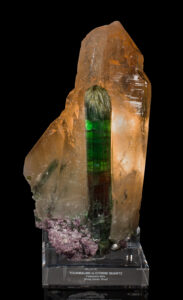
#5 #rss #feeds #linksharing #qwibbit
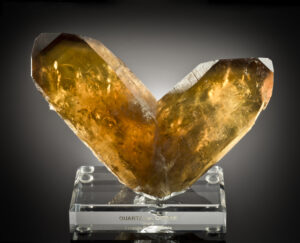
Rock & Gem (Unofficial)
Rock & Gem (Unofficial) 13d

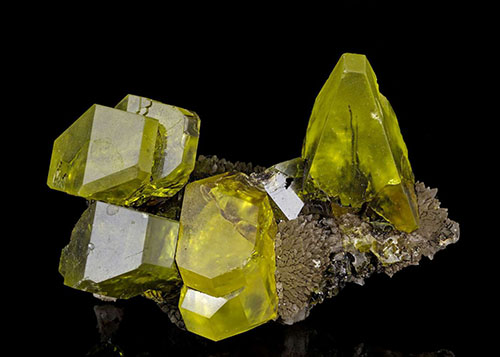
Sulfur: Properties, History and Uses If elements were rated by their popular image, sulfur wouldn’t have a chance. Just the mention of the word conjures unsettling thoughts of noxious volcanic gases, acrid smoke, odors of decaying organic matter and even the fundamentalist Christian “fire-and-brimstone” concept. But, image problems aside, sulfur has a lot going for it. Widely collected for its beautiful, bright-yellow crystals, sulfur has been a staple in medicine for 4,000 years. Under its old name “brimstone,” it appears frequently in both the Bible and alchemical texts. Today, sulfur is a major industrial commodity with myriad uses. In contradiction of a fundamental tenet of mineral-resource supply and demand, sulfur use has reached record highs, yet sulfur mining has virtually ceased. Sulfur Mineral Properties and Occurrence Elemental sulfur most often crystallizes in the orthorhombic system; two rare sulfur polymorphs crystallize in the monoclinic system. Sulfur crystals are brittle and have a resinous luster. Depending upon the presence of impurities, they range from transparent to opaque. Colors range from bright, dandelion yellow and greenish-yellow to subdued grays and browns. Elemental sulfur has a Mohs hardness of 1.5 to 2.5. It has a low specific gravity of 2.07 and a very low melting point of 226°F. Sulfur is abundant in Earth’s crust. Most is chemically bonded into sulfate and sulfide minerals, organic and biomass materials, coal and petroleum. Minerals containing sulfur include pyrite (iron disulfide), galena (lead sulfide), chalcopyrite (copper iron sulfide), sphalerite (zinc sulfide) and gypsum (calcium sulfate). Relatively little sulfur exists in its native state. Elemental sulfur occurs in evaporite concentrations in sedimentary rocks and as earthy and encrusting forms at certain hot springs, fumaroles and volcanic vents. It also forms massive deposits within the limestone caprock that overlies many underground salt domes. With the closing of Sicily’s mines, crystalline sulfur specimens like these have become increasingly scarce. Arkenstone, iRocks.com Fumigants and Gunpowder The Chinese were using sulfur medicinally by 2000 B.C. Sulfur-based ointments were used to alleviate skin ailments. Burning sulfur generated sulfur dioxide gas that cleared nasal passages and fumigated i-infested materials and dwellings. The Chinese initially obtained limited amounts of sulfur from volcanic fumaroles. By the time these sources were depleted around 300 B.C., they had learned to heat pyrite in kilns and condense the resulting “golden vapors” into elemental sulfur. By the first century C.E., other Asian and European cultures were also heating pyrite to obtain sulfur. The Chinese also pioneered the science and craft of pyrotechnics. They used crude black powder, a combustible, slow-burning mixture of potassium nitrate (saltpeter) and powdered coal. Around 800 C.E., they invented gunpowder by adding sulfur to crude black powder to lower its ignition temperature and increase combustion speed. When contained and ignited, gunpowder exploded violently, an attribute of enormous military and historical consequence. By the 1400s, sulfur had become an important component of gunpowder, one of its earliest major uses. Brimstone and the Philosopher’s Stone Because native sulfur melts into a syrupy, red liquid that burns with an eerie blue flame, it caught the attention of many ancient cultures. In the Bible, sulfur is associated with judgment, destruction and divine wrath. Most familiar is the Genesis account of the Lord raining down “fire and brimstone” upon the wicked cities of Sodom and Gomorrah. Medieval alchemists were particularly interested in sulfur. The German philosopher and alchemist Paracelsus (Philippus von Hohenheim) listed sulfur, mercury and salt as the three alchemical principles. Sulfur represented heat and transformation, growth and change, and the soul’s journey toward enlightenment and self-discovery. Many alchemists believed that sulfur itself was the long-sought-after philosopher’s stone that could transmute common metals into gold. Alchemy also had its practical benefits. In the ninth century C.E., the Arabic alchemist Jabir ibn Hayyan was credited with producing sulfuric acid from elemental sulfur. Although difficult and costly to make, sulfuric acid, with its ability to dissolve many metals and materials, was a gift to alchemy. It was an invaluable tool for investigating the composition of materials. The experimental use of sulfuric acid paved the way toward the later emergence of analytical chemistry. Sicily: The World’s Great Sulfur Source The world’s first great source of sulfur was Italy’s island of Sicily. The ancient Greeks began mining it from outcrops around 200 B.C. Sicily remained a source of sulfur for centuries. During the 19th century, its vast evaporite deposits supplied most of the world’s sulfur. When traditional, costly and time-consuming methods of obtaining sulfur from pyrite proved unable to meet demand, attention shifted to the development of Sicily’s extensive underground deposits. By 1810, Sicily was producing three-quarters of the world’s sulfur, while pyrite mining had almost ceased. Sulfur mining in Sicily reached its peak in 1900, with 700 small, underground mines turning out a half-million tonnes of high-grade sulfur ore. Although vital to the Sicilian economy, these mines comprised a dark chapter in mining history. Most were accessed by decline tunnels with hundreds of steps hewn into the rock. Among Sicily’s thousands of sulfur miners were children as young as 12. Conditions were horrific in the poorly ventilated underground workings. There, temperatures exceeded 100°F, humidity was high, and the air was laced with hydrogen sulfide gas. Cave-ins were common in the unstable workings; during the 1800s, an estimated 2,000 miners lost their lives. After visiting Sicily during a European tour in 1910, the African-American educator, author and former slave Booker T. Washington wrote: “. . . a sulfur mine in Sicily is about the nearest thing to hell that I expect to see in this life.” Sulphurdale, Utah During the late 19th century, the United States began obtaining sulfur from aptly named Sulphurdale, Utah. There, bubbling hot springs formed crusts and layers of sulfur. Disregarding the foul-smelling hydrogen sulfide gas that emanated continuously from the springs, Mormon settlers harvested the sulfur to make gunpowder. Sulphurdale rests atop heavily faulted bedrock near a dormant volcano. A shallow magmatic body underlying this volcano forced superheated water rich in dissolved hydrogen sulfide upward into shallow beds of porous volcanic tuff, where the water cooled to precipitate elemental sulfur in massive and disseminated forms. In 1883, mine developer Ferdinand Dickert built a small, thermal-extraction furnace to melt the impure sulfur in an oxygen-deficient environment to yield pure, molten sulfur. Dickert was soon shipping 1,000 tonnes of sulfur per year. By 1890, the company town of Sulphurdale, with 30 homes, a general store and a school, had become the nation’s leading domestic source of sulfur. Frasch Mining In the late 19th century, oil-well drillers in Louisiana and Texas discovered subterranean pools of petroleum associated with salt domes. These are geologic formations where salt and sulfur had risen upward to concentrate beneath strata of impervious limestone. These domes contained huge amounts of native sulfur with great potential value—if it could be extracted economically. In 1894, German-born American chemical engineer Hermann Frasch developed a process for drilling wells into these subterranean deposits and injecting superheated water to melt the sulfur. Subsequent injection of compressed air forced the liquid sulfur into extraction wells for transport to the surface. Frasch mining greatly increased the supply of sulfur while slashing production costs, just in time to meet soaring demand driven by a boom in sulfuric-acid manufacturing. By 1900, the massive salt domes of Louisiana and Texas had become the world’s leading source of sulfur. Frasch mining also triggered the steady decline of sulfur mining in Sicily and forced the abandonment of Sulphurdale, Utah. Frasch mining dominated global sulfur production for decades until it, too, became a victim of technological progress. In the early 1970s, environmental restrictions in the United States and Europe required the reduction of huge quantities of sulfur-laden gases from metal smelters, coal-fired power plants, petroleum refineries and natural-gas processing plants. To meet these new standards, researchers developed technologies to strip sulfur from liquid and gas fuels before use and to scrub sulfur from smokestack emissions. The vast tonnages of cheap sulfur recovered from fuel processing and smokestack scrubbers quickly made Frasch mining uneconomical. Sulfur Today Today, most recovered sulfur comes from petroleum refining, natural-gas processing and other industrial operations rather than conventional mining. Conventional mining and the last remaining Frasch operation account for only a small fraction of global sulfur production. The United States has no remaining elemental sulfur mines or Frasch operations. Yet, thanks to sulfur recovered during fuel processing and smokestack scrubbing, it is self-sufficient in sulfur and remains one of the world’s leading producers. China is also a major sulfur producer. Historically, much of its sulfur came from roasting pyrite, a heavily polluting practice that has largely been displaced in many parts of the world by sulfur recovery from industrial processes. Annual global sulfur production has reached roughly 70 million tonnes. About 90 percent of recovered sulfur is made into sulfuric acid, by far the most widely used inorganic chemical. Sulfuric acid is essential to numerous industrial processes, including the manufacture of fertilizers. With the decline of conventional sulfur mining, industrial recovery has transformed the sulfur industry. Sulfur use remains high, but the source of most of the world’s supply has changed dramatically. Sulfur Specimens With its sharp-edged, translucent-to-transparent, bipyramidal and tabular crystals, elemental sulfur is a widely collected mineral. Unlike many minerals associated with volcanic environments, pure elemental sulfur does not have an odor. Its color—a pure yellow so intense that it seems to glow—is what really catches the eye. Historically, the finest sulfur specimens—large plates of well-developed, brightly colored, gemmy crystals—have come from Sicily, where the long-inactive mines still yield occasional specimens. Fine specimens have also come from other localities, including Russia, Spain and Bolivia. With the closing of Sicily’s mines and the decline of conventional sulfur mining elsewhere, crystalline sulfur specimens have become increasingly scarce. It is possible that the finest specimens have already been collected. Despite its maligned image, sulfur betters our lives every day. In one form or another, it is contained in, or used to make, pharmaceuticals, tires, agricultural fertilizers, paper, auto batteries, food preservatives and many other products—even our kitchen matches that produce the familiar, acrid “sulfur” smoke. The “Blue Lava” of Kawah Ijen Among the few small-scale volcanic sources still yielding sulfur today is the Kawah Ijen volcano on the Indonesian island of Java. Inside its steaming, 9,000-foot-high crater, artisanal miners dig sulfur encrustations that accumulate from condensed volcanic gases. These miners channel the continuously venting, sulfur-rich gases through ceramic pipes, where they condense into a liquid that solidifies into massive sulfur. This sulfur is then broken into pieces and loaded into baskets that are manually carried from the crater floor 900 vertical feet upward to the rim, then two miles down the mountain to a small sulfur refinery. Miners can earn $15 per day, making two round-trips—a strenuous journey made more difficult by breathing air laced with hydrogen sulfide and sulfur dioxide gases. A workforce of 200 miners recovers about 14 tonnes of sulfur per day. Kawah Ijen is also notable for its “blue lava”—eerie, nighttime displays of blue flames created as venting sulfur-laden gases ignite in the presence of atmospheric oxygen. These vivid, 15-foot-high, electric-blue flames are invisible during the day but spectacular at night. In 2023, the United Nations Educational, Scientific and Cultural Organization (UNESCO) added Kawah Ijen to its Global Geoparks Network as an important part of Earth’s geological heritage. Tourism has since increased, with the main attraction being guided, midnight hiking tours—a two-hour hike up the volcano rim followed by a 45-minute descent into the crater—to witness and photograph the striking blue flames. This story about sulphur was written for Rock & Gem magazine. Click here to subscribe. Story by Steve Voynick. The post Sulfur: Properties, History and Uses first appeared on Rock & Gem Magazine. https://www.rockngem.com/rock-science-the-saga-of-sulfur/ #sulfur #properties #mineralproperties #uses #chinese #minerals #occurrenceelemental #gunpowder #christian #rss #feeds #linksharing #qwibbit

#sulfur #properties #mineralproperties #uses #chinese
Rock & Gem (Unofficial)
Rock & Gem (Unofficial) 18d

Cursed Gemstones: The Black Prince’s Ruby and More Cursed gemstones have long been linked to royal deaths, broken romances, and unexplained misfortune. From the Black Prince’s Ruby to the Hope Diamond, these infamous cursed gemstones have inspired stories of tragedy and bad luck while continuing to captivate collectors and gem enthusiasts. The Black Prince and Pedro the Cruel Deposed Spanish king, Don Pedro the Cruel, of Castile, and the man ready to help him keep that crown, Edward of Woodstock, the Black Prince of Wales, were bound by royal politics and a ruby as red as bloodlust. In truth, the gem awarded to Prince Edward for helping King Pedro hold his throne was a spinel gemstone. A 170-carat imposter, gifted in deceit and cloaked in a curse after the murder of its owner, Abu Said, the last Sultan of Grenada. He was wearing it when he died after accepting an invitation, under the pretext of a peace accord, to meet with King Pedro. Pin this post to save this information for later. As life left the Sultan’s body, the Sultan’s Curse began. Soon after, the king’s brother, Henry of Trastamara, launched a war to claim the Spanish throne. “To aid in battle, King Pedro enlisted the help of Edward the Black Prince of England. After a series of battles, Henry was kept at bay, successfully preserving the throne of King Pedro. For his service, the ruby was given to Edward the Black Prince,” Natalie Woodward wrote in her November 30 blog for Vulcan’s Forge Custom Fine Jewelers. Funny thing about curses: They’re hard to outrun. Edward defeated Pedro’s challenger but did not kill him. The war for the throne raged on for three more years, until Pedro the Cruel was stabbed to death by Henry. The Cursed Gem in England That was 1367, and Edward and his gift were headed back to England, benignly indifferent to the chaos behind him. But the Sultan’s Curse would not let The Black Prince elude its grasp. En route home, Edward received the news that his eldest son had died. Nor would he live to rule England. He succumbed to dysentery by 1376, leaving his surviving son, Richard II, as heir apparent. The big red stone rested in the hands of King Richard II until his murder at age 21 by Henry of Bolinbroke. Henry then seized the throne as Henry IV. He lived as king with a disfiguring skin disease. He ultimately suffered a fatal stroke in the Jerusalem Chamber of Westminster Abbey. Saving the Life of Henry V Ironically, the gem’s talismanic powers are credited with saving the life of his successor, Henry V. He wore the stone in his helmet at the Battle of Agincourt, but lost a shard in the fierce exchange. A French prisoner named Gaucourt begged to find the fragment on the battlefield in exchange for his freedom. He found that needle in its haystack, but (like any good curse) the king reneged on freeing the doomed man. Overall, the demise of at least nine royal figures could be linked to the Black Prince’s Ruby before its 1783 appraisal by French mineralogist Jean-Baptiste Louise Romé de l’Isle. In his assessment, a significant difference became clear: spinels have magnesium, which rubies lack. Four hundred years after the murder of a sultan, the true sting of the curse was how the coveted cabochon was never a ruby. It was always 170 carats of spinel and remains so to this day, still in the Imperial State Crown of the United Kingdom. Since its correct identification, there have been few royal incidents. Pearls in a shell. Diamon jewelry/Adobe Stock Cursed Gemstones: La Peregrina Unlike that French prisoner, the slave who found one of the largest pearls of his day in 1513 on a beach in the Gulf of Panama was instantly freed as a reward. The pearl-shaped jewel, before drilling, weighed 55.95 carats and measured more than an inch. Over the centuries, this uniquely organic gemstone of nacre earned the moniker La Peregrina, or ‘the Wanderer.’ It became a pearl dipped in blood and heartache with its gifting by King Philip II of Spain to Queen Mary I of England. When ‘Bloody Mary,’ who had ordered hundreds of executions during her reign, died in 1558, her sister, Elizabeth, returned it to Spain as a gesture of diplomacy. For the next 250 years, the pearl was said to curse the love life of all who wore it. Queen Isabel saw the death of her poet lover, Peralta. Queen Mariana, beset with health issues, died on a lunar eclipse. With her passing, all paperwork related to the pearl or mention of its existence disappeared until 1813, when the uncle to the future Emperor of France, John Bonaparte, fled Spain with some of the royal jewels. After John’s death, the pearl went to Napoleon III, until his exile forced its sale back to England to the Duke of Abercorn, where it stayed in the family for a century. La Peregrina’s Later History “It was during this time when the pearl was given the name La Peregrina,” cites the blog Diamond Buzz®. “It is said during the next few years, the pearl fell out of its setting at least twice because of its incredible size. The first time, the pearl got lost in a sofa in Windsor Castle. The second time, it was during a ball at Buckingham Palace. On both occasions, the jewel was recovered.” Its curse was not misplaced. In 1969, the pearl sold at Sotheby’s for $37,000 to Welsh actor Richard Burton. It was a Valentine’s Day gift for his wife, Elizabeth Taylor, during the first of two marriages. The pearl outlasted both their unions. Taylor died in 2011, and it took just 4.5 minutes for La Peregrina to set a Christie’s record ($11,842,500) while raising funds for the Elizabeth Taylor AIDS Foundation. At long last, The Wanderer found a new role in healing others. More Cursed Gemstones Hope Diamond This 45.42-carat, blue-violet cushion antique brilliant, with a faceted girdle and extra facets on the pavilion, is under lock and key at the Smithsonian Institution’s National Museum of Natural History in Washington, D.C. Perhaps this is more for our safety as much as for our delight? Mere proximity, much less ownership, has been purported to claim or ruin lives. This included the unfortunate mailman tasked with bringing Harry Winston’s sparkling donation to the museum in 1958. In a coup de grâce before the curse lost its freedom, the mailman was in a truck accident. Then in a separate accident, he suffered a head injury, and to add insult to injury, his house burned down. The Black Orlov and the Eye of Brahma It was a 195-carat rough diamond. But plucking an eye from a Hindu god is a pretty surefire path to a curse. According to legend, the stone called the Black Orlov/Eye of Brahma was stolen by a monk from the Brahma statue’s head in Pondicherry, India, and cursed by holy men. Three 20th-century owners – unproven Russian princess Nadia Vygin-Orlov, possibly nefarious diamond dealer J.W. Paris, and mysterious Russian aristocrat Leonila Galitsine-Bariatinsky – are all said to have jumped to their deaths. Diamond dealer Charles F. Winston took the divide-and-conquer approach to the diamond and its curse. He bought the deep gun-metal gray stone and cut it into three separate pieces. The most infamous, the 67.49-carat Black Orlov, was set into a 108-diamond brooch suspended from a 124-diamond necklace. By the time that diamond dealer Dennis Petimezas owned the Black Orlov, from 2004 until 2006, he said he was “pretty confident that the curse is broken.” Delhi Purple Sapphire Like the Black Prince’s Ruby, this gem is not what it seems. “It is not a beautiful or valuable stone, but a plain and ordinary one. It is not a source of evil but a stone of haunted misfortune and sorrow,” said fine jeweler Timothy Roe in a prior 31 October website blog. This was not a sapphire but an amethyst, said to have been stolen in Kanpur (not Delhi) by a British soldier, who attributed his misfortunes to its bad karma and passed the purple stone to a friend, English polymath and scientist Edward Heron-Allen. For the next decade, Heron-Allen swore the stone sapped him of rationale and initiative, and inflicted negativism on all who borrowed it. He hurled the stone, now set as a ring, into Regent’s Canal. It was found when the canal was dredged a few months later. A local jeweler recognized it and returned it. So, with a warning that the Delhi Sapphire was “accursed and stained in the blood and the dishonor of everyone who has ever owned it,” this time Heron-Allen packed the cursed gemstone inside seven boxes filled with charms and insisted it should not be opened until 33 years after his death. When he died in 1944, his daughter donated the stone to the Natural History Museum in London, where it sat until a curator opened the box in 1972 and found its strange note and tale of woe: ‘Whoever opens this box, do whatever you want with it. My advice, however, is to throw it into the sea.” The Delhi Sapphire is on permanent display in London in the Natural History Museum… in the Vault Collection. Cursed Gemstones: Bad Curses, Good Stones Sir Arthur Conan Doyle understood how cursed gemstones offer a fatal attraction. “Of course, it is a nucleus and focus of crime. Every good stone is,” said Sherlock Holmes in Doyle’s 1892 story, The Adventure of the Blue Carbuncle, where a near-priceless gem (“The Blue Carbuncle”) is found inside a cooked Christmas goose. “They are the devil’s pet baits. In the larger and older jewels, every facet may stand for a bloody deed.” This article about cursed gemstones previously appeared in Rock & Gem magazine. Click here to subscribe. Story by L.A. Berry. The post Cursed Gemstones: The Black Prince’s Ruby and More first appeared on Rock & Gem Magazine. https://www.rockngem.com/cursed-gemstones-black-princes-ruby-more/

Welcome to Rock & Gem (Unofficial) spacestr profile!

About Me

Rocks, minerals, and the shiny things that follow collectors home. Automated fan RSS; content belongs to its respective owners. Unofficial fan feed; not affiliated with source publishers.

Interests

  • No interests listed.

Videos

Music

My store is coming soon!

Friends